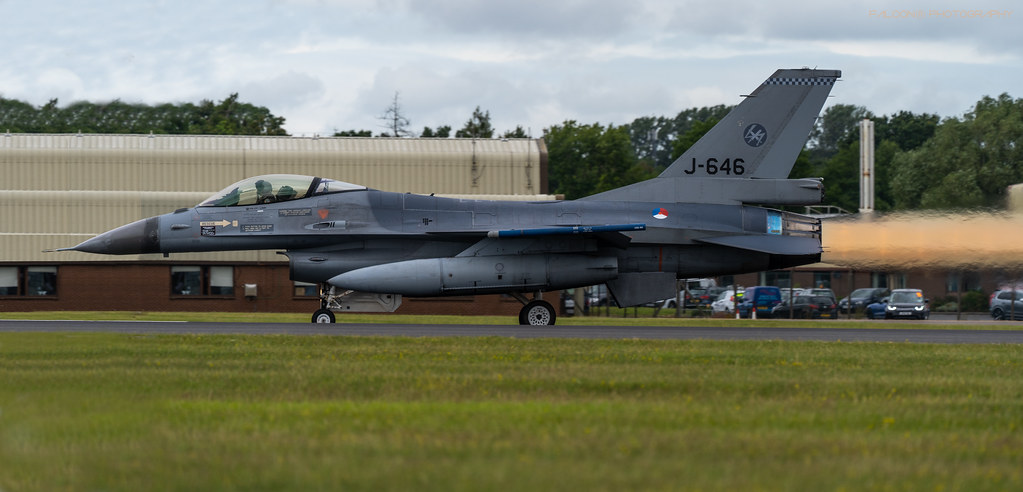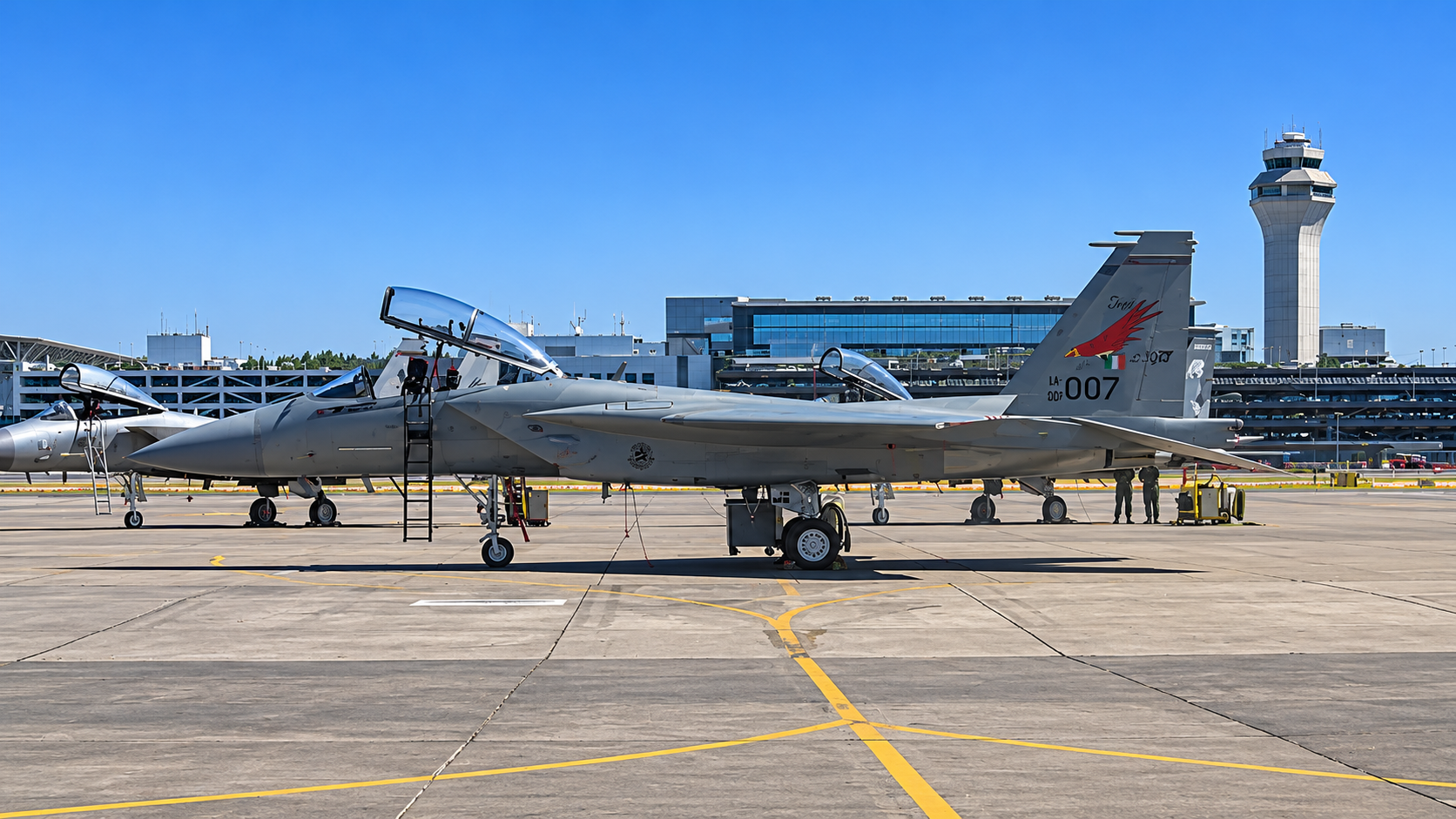
Air Force Plans 149 F-15EX Fighters Through 2031, Seeks $2.66 Billion
149 fighters would give the F-15EX Eagle II a much larger place in the U.S. Air Force than its original role as a rapid replacement for aging F-15C/D aircraft. The service is reportedly programming F-15EX procurement through fiscal 2031, while a cited Defence iQ report identifies a $2.66 billion fiscal 2027 request for 24 jets.

Those figures describe a procurement plan, not 149 completed purchases. Congress must enact future appropriations, and the government must place follow-on orders before the programmed aircraft become contracted deliveries. That distinction is central for taxpayers because the plan extends a multibillion-dollar acquisition effort over several budget cycles, during which quantities, schedules and annual funding can change.
The expansion builds on an already visible shift in Air Force planning. In its fiscal 2026 defense budget briefing, the Pentagon requested approximately $3.1 billion for 21 F-15EX aircraft and said that purchase would bring the planned inventory to 129. The reported out-year plan would add another 20 aircraft to reach 149, while keeping Boeing’s F-15 production operation active through fiscal 2031.
Why the Air Force wants a larger F-15EX fleet
The F-15EX occupies a different part of the force-design problem than a stealth fighter. Its value lies in payload, range, available production capacity and the ability to incorporate updated systems into a well-established aircraft configuration. Boeing states that the jet can carry approximately 29,500 pounds of payload and as many as 12 AIM-120 air-to-air missiles.
That capacity does not make the F-15EX a substitute for the F-35 or the future F-47. Stealth aircraft are intended to receive priority where lower observability, sensing and survivability in more heavily contested environments are required. The F-15EX can complement them by carrying larger external loads and providing additional missile capacity where its operating profile is appropriate.
This division of labor explains why payload alone is not a complete measure of fighter capability. External weapons increase capacity, but they do not provide the low-observable characteristics of an internal weapons bay. The Air Force is effectively buying two different kinds of value: survivability and sensing from stealth platforms, and substantial carrying capacity from the F-15EX.
The Eagle II also replaces more than an airframe. It introduces digital flight controls, modern avionics, updated operational software, an open mission-systems architecture and the Eagle Passive Active Warning and Survivability System. Two General Electric F110-GE-129 turbofan engines power the two-seat fighter. The open architecture is particularly relevant over a long service life because it is intended to make later hardware and software integration more manageable than on older F-15 configurations.
A contract ceiling is not a funded fleet
Boeing has had a broad contractual foundation for the program since July 2020, when the Defense Department awarded the company a $22.89 billion indefinite-delivery, indefinite-quantity contract. It covers aircraft design, integration, manufacturing, testing, delivery, sustainment, modifications, spares, training and technical support. The initial delivery order was capped at approximately $1.19 billion, and the Air Force accepted its first F-15EX in March 2021.
The $22.89 billion ceiling did not obligate the government to spend that full amount or buy a predetermined number of aircraft. Individual orders and appropriations determine actual spending and deliveries. The same constraint applies to the reported 149-aircraft objective: programming procurement through 2031 can signal intent to Boeing and its suppliers, but it does not provide the certainty of funded orders across all those years.
Production stability is nevertheless a material part of the proposal. Fighter manufacturing depends on specialized suppliers, trained labor, test capacity and long-lead components. A longer procurement horizon can support workforce and supplier planning, while irregular annual quantities make it harder to set production rates confidently. The cited fiscal 2027 request also includes $16.9 million for post-production support, underscoring that aircraft purchases bring continuing support obligations beyond the flyaway hardware.
The Air Force therefore faces a linked tradeoff. A larger F-15EX fleet would add aircraft and payload capacity while sustaining an active production line, but every annual purchase competes for funding with stealth fighters, modernization, spares and readiness. The next decisive step is not the 149-aircraft planning figure itself; it is whether Congress funds the requested annual quantities and whether those appropriations become contracts that keep deliveries moving through 2031.
| More aerospace and engineering stories, right in your MSN feed. Follow AMI on MSN |
By David Whitaker — Associate editor for AMI’s aerospace and drone systems desk, translating flight systems, aircraft programs, spaceflight, and UAV developments into accessible technical stories.