Of Ukraine’s 34 to 39 F-16s, Fewer Than 10 Are Reportedly Flight-Worthy
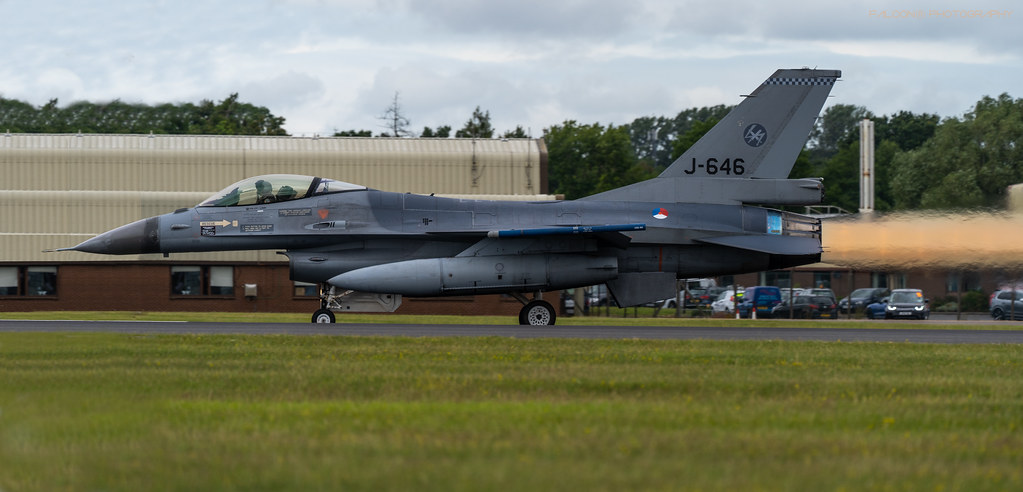
Ukraine has received an estimated 34 to 39 used F-16 fighters, yet fewer than 10 are usually flight-worthy on a typical day because of spare-parts problems, according to Ukrainian industry representatives who spoke with 19FortyFive at Poland’s MSPO defense exhibition. The representatives were not identified, and the estimate is not backed by a public Ukrainian Air Force readiness document.

Even with that qualification, the reported gap illustrates a central constraint on any donated fighter fleet: receiving an aircraft is not the same as having one available to fly. Older jets require serviceable components, scheduled inspections, repair capacity and trained maintainers. If one part is unavailable or a repair queue grows too long, a complete aircraft can remain grounded while other jets consume the available supply.
Belgium’s package shows how the numbers divide
Belgium’s expected contribution provides a concrete example. Of seven Belgian F-16s described as due this year, only three are characterized as essentially battle-worthy. Those aircraft are expected to support air-defense missions against cruise missiles and drones.
The other four are expected to be cannibalized for spare parts and used to train engineers and maintenance crews. They still have operational value, but they would not add four fighters to the daily flight line. Their value lies in keeping other aircraft serviceable and building the technical workforce needed to maintain the fleet.
That division also changes how the larger pledge total should be read. Countries have pledged between 79 and 85 used F-16s to Ukraine, but the eventual split among flyable fighters, parts donors and ground-based training aircraft remains unknown. A headline fleet total can therefore be much larger than the force available on a given day.
Cannibalization buys availability at a cost
Removing a usable component from one aircraft to return another to service is a longstanding aviation-maintenance practice. It can solve an immediate shortage, particularly when replacement parts are scarce or depot repairs are delayed. It also consumes maintenance hours and leaves the donor aircraft incomplete, potentially creating more work if crews later try to restore it.
A 1999 U.S. Government Accountability Office review documented the same underlying mechanism in American military fleets, including the F-16. Air Combat Command’s F-16 units reached 12.1 cannibalizations per 100 sorties in fiscal 1998, while recorded F-16 cannibalization work rose from 35,472 hours in fiscal 1997 to 43,431 hours in fiscal 1998.
Those historical U.S. figures do not measure Ukraine’s current fleet, but they show why parts shortages are more than an inventory problem. Technicians must identify a suitable donor, remove the component, install and test it on another aircraft, and manage the resulting configuration of both airframes. GAO linked broader supply problems to inaccurate inventory forecasts, delayed depot repairs and aircraft waiting for parts.
Repair throughput is the second fleet count
Ukraine and its partners are working on maintenance capacity as well as aircraft deliveries. Sabena Engineering currently services four Ukrainian combat aircraft per month and plans to increase that figure to six, according to Belgium’s defense minister. Some components for early F-16 variants are reportedly no longer manufactured and are becoming harder to obtain, increasing the importance of repair pipelines and usable material recovered from donor jets.
Ukraine’s defense ministry has also discussed expanded F-16 maintenance capabilities with Lockheed Martin, including broader geographic access to maintenance and potential localization. That effort targets the bottleneck directly: more delivered airframes have limited effect if repairs cannot return them to service quickly enough.
The reported single-digit availability figure could change as parts supplies, maintenance staffing and repair throughput improve. For now, Belgium’s planned seven-aircraft package captures the fleet’s underlying arithmetic: three aircraft intended to fly, and four intended to provide the parts and training that help make those flights possible.
| More aerospace and engineering stories, right in your MSN feed. Follow AMI on MSN |
By David Whitaker — Associate editor for AMI’s aerospace and drone systems desk, translating flight systems, aircraft programs, spaceflight, and UAV developments into accessible technical stories.