Tesla Reportedly Approves Cyberbeast Battery Replacement at 1,800 Miles Under Warranty
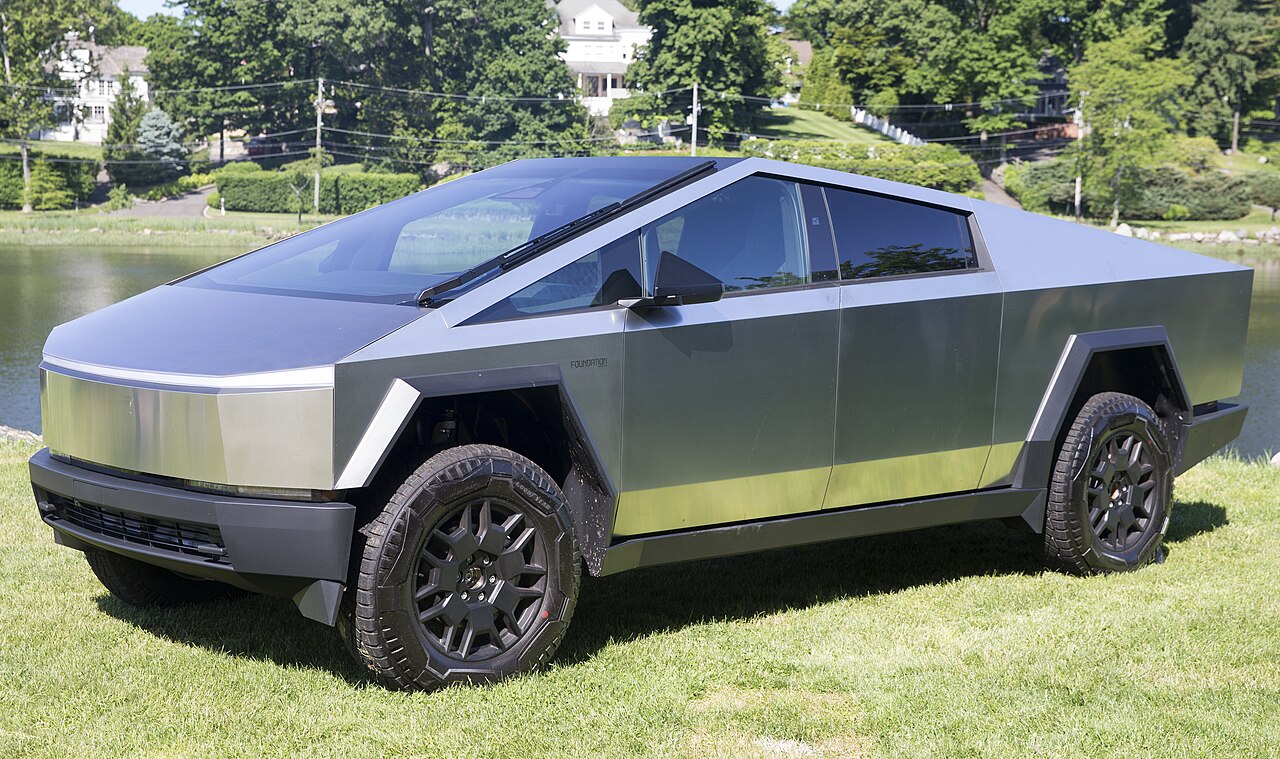
A 2026 Tesla Cyberbeast with only 1,800 miles reportedly needs its complete high-voltage battery replaced. The owner said Tesla Service approved the work after the truck registered an HVBATT_a056 error, but warranty coverage means the owner faces no reported charge for the battery or labor.

The case was disclosed by the owner on the Cybertruck Owners Club forum: 2026 Beast, 1800 miles, tesla is replacing the HV battery due to HVBATT_a056 error. No service documents or completion date were provided, so the replacement remains a reported, in-progress repair involving one truck rather than evidence of a broader Cybertruck failure pattern.
The fault code is identified as “Brick Voltage Mia,” with “MIA” indicating that expected information is missing. In practical terms, the battery-management system was reportedly receiving missing or invalid voltage data from one or more cell groups within the pack.
That diagnosis does not identify a confirmed failed component. Possible sources include an open voltage-sensing circuit, a battery-management board problem or an isolation fault in the voltage-sensing system. Tesla has not confirmed which, if any, of those conditions caused this truck’s alert.
Why missing voltage data can stop the truck
A high-voltage battery controller continuously monitors groups of cells to keep voltage, current and temperature within operating limits. If trustworthy voltage information disappears, the controller loses part of the information needed to determine whether the pack can operate safely.
The protective response can include opening the pack’s high-voltage contactors. These electrically controlled switches isolate the battery from the rest of the vehicle. Once opened, they can interrupt the power-conversion system that supports the Cybertruck’s 48-volt electrical network.
The separate 48-volt auxiliary battery can keep essential functions such as steering control and hazard lighting available long enough for the driver to pull over. That reserve is an important systems-integration feature: it separates the loss of high-voltage propulsion power from the immediate loss of every electrically supported vehicle function.
A small sensing problem can require a large replacement
The scale of the approved repair reflects the Cybertruck’s battery architecture. Its 4680-cell pack is integrated into the vehicle as a structural assembly, meaning the pack contributes to the truck’s physical structure rather than serving only as a removable energy container.
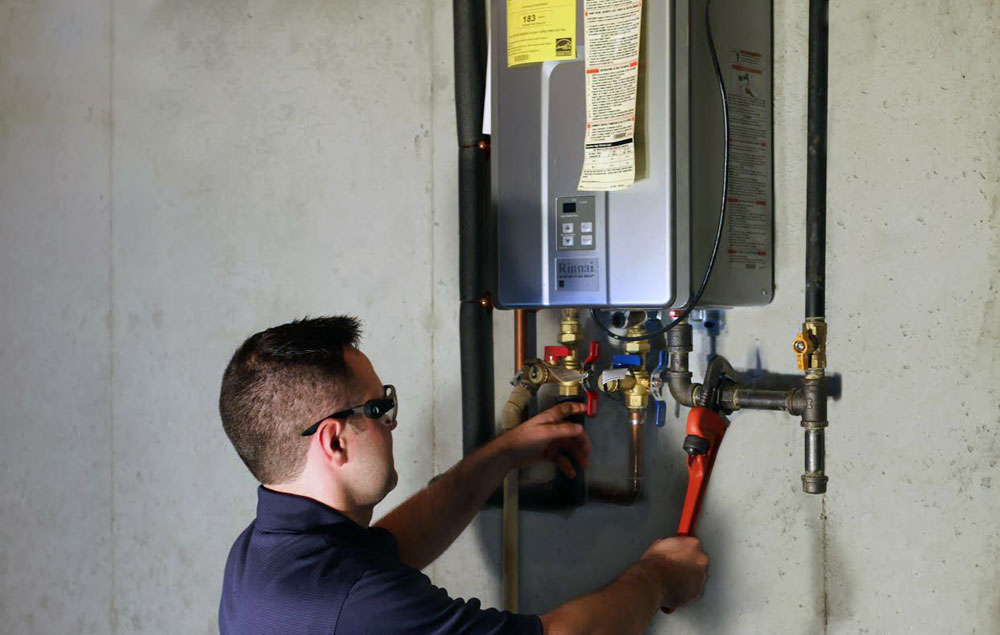
Local Tesla service centers reportedly replace this sealed pack as a complete unit instead of opening it to repair an internal sensing circuit or control board. The replacement procedure requires technicians to isolate the high-voltage feeds, depressurize the battery cooling circuit and lower the pack with specialized lifting equipment.
This approach limits the amount of invasive high-voltage work performed at a local service facility and allows the removed assembly to be handled through a controlled process. The tradeoff is that a fault involving voltage telemetry rather than confirmed widespread cell degradation can still lead to replacement of the vehicle’s largest and most expensive assembly.
That tension extends beyond this Cyberbeast. Vehicle assessment organization Thatcham Research has called for EV batteries to be designed for safer disassembly, standardized diagnosis and repair rather than routine whole-pack replacement. Its electric-vehicle repairability blueprint argues that permanent adhesives, tightly integrated structures and restricted service access can shift costs toward service departments, insurers, recyclers and owners.
Warranty coverage contains the owner’s cost
Tesla’s stated Cybertruck battery and powertrain warranty runs for eight years or 150,000 miles, whichever comes first, and includes a minimum 70% battery-capacity retention threshold. At 1,800 miles, the reported truck is well inside the mileage limit, and the owner said the replacement battery and service labor were covered.
An estimated out-of-warranty replacement range of $15,000 to $25,000 or more provides context for the financial exposure, but it is not an invoice for this repair. The owner reportedly owes nothing for the approved work.
For this Cyberbeast, the warranty converts a potentially five-figure component replacement into a service disruption rather than a major personal expense. Over the longer term, structural batteries will present a broader design choice: tighter integration can reduce weight and manufacturing complexity, but repairable sensing hardware and service access determine whether a localized fault requires replacing the entire pack.
| More aerospace and engineering stories, right in your MSN feed. Follow AMI on MSN |
By Thomas Caldwell — AMI’s senior editor for mechanical and mobility engineering, covering vehicle electronics, systems integration, electrification, chassis systems, propulsion, and safety policy.