Homeowner Avoids $3,100 Water-Heater Replacement With $150 Pipe Repair
A homeowner facing a $3,100 water-heater replacement instead paid $150 for a pipe repair that restored hot water. The more than 20-fold cost difference turned on a basic diagnostic boundary: whether the 10-year-old heater had failed or whether the problem was in the piping connected to it.

According to the homeowner’s online account, water from a 40-gallon gas heater had become steadily cooler over roughly two days. The homeowner also saw a leak above the unit and contacted three locally recommended plumbing businesses. The first plumber reportedly inspected the heater for about two minutes, declared it dead and recommended replacement for $3,100.
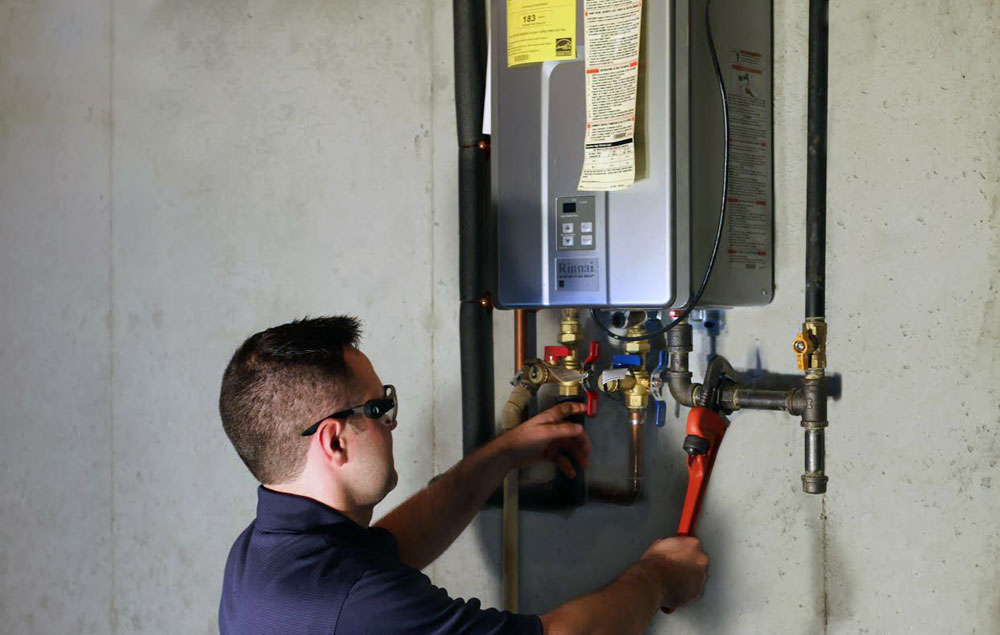
A second plumber arrived about two hours later and reached a different conclusion. He determined that the heater was functioning, suspected the minor leak at the top and replaced a pipe within an hour. The bill was $150, and the homeowner reported that hot water returned. With service restored, the third appointment was canceled.
One symptom, two very different scopes of work
The contrast is between replacing an entire appliance and repairing an external part of the system serving it. A water-heating installation includes more than the tank and burner assembly. It also depends on connected piping and fittings. A visible leak above the heater therefore does not, by itself, identify the tank as the failed component.
In this case, the completed pipe repair and return of hot water support the second plumber’s diagnosis of the immediate problem. They do not reveal the first plumber’s full reasoning, however, and the account does not establish fraud. The homeowner questioned whether the replacement recommendation was an attempted swindle, while other participants offered competing interpretations ranging from an unnecessary upsell to a defensible recommendation for an aging appliance.
Age provides context for that disagreement. Manufacturer Rheem says traditional tank water heaters typically last eight to 12 years, although operating conditions and maintenance affect service life. At 10 years old, this heater was within that general range. Its age could make replacement a reasonable option if there were evidence of tank leakage, corrosion, recurring problems or other internal deterioration. Age alone did not prevent the cheaper repair from restoring service.
That distinction separates an immediate fault from a longer-term asset decision. The $150 repair addressed the reported loss of hot water at that moment. It does not guarantee that the tank will remain reliable for years, nor does the heater’s age show that immediate replacement was mechanically necessary. Both questions can exist at once: what failed today, and whether the remaining system is worth retaining.
Verification becomes more valuable as the price gap grows
For a homeowner, the practical safeguard is a written scope explaining what the contractor believes has failed and why the proposed work addresses it. The Federal Trade Commission recommends obtaining multiple estimates and says a written estimate should describe the work, materials, completion timing and price. It also advises consumers not to choose automatically on price and to request an explanation when bids differ substantially.
Those steps are especially useful when one proposal calls for replacing a complete mechanical system and another calls for repairing a connected component. Useful points of comparison include the identified leak location, whether the tank itself is leaking, what functional checks were performed, and whether repair and replacement are being presented as alternatives or as the only option. The objective is not to demand the cheapest answer; it is to make the diagnostic basis visible before authorizing a large expense.
The first recommendation may have reflected concern about the service life of a decade-old tank, but the homeowner’s result shows the cost of collapsing condition assessment and fault isolation into one decision. Here, a one-hour pipe replacement restored hot water for $150 while leaving the aging heater in service. The next decision will depend on how that heater performs not on the replacement quote that the completed repair made unnecessary that day.
| More aerospace and engineering stories, right in your MSN feed. Follow AMI on MSN |
By Thomas Caldwell — AMI’s senior editor for mechanical and mobility engineering, covering vehicle electronics, systems integration, electrification, chassis systems, propulsion, and safety policy.