Traffic-Light Cameras Often Detect Waiting Cars Instead of Reading License Plates
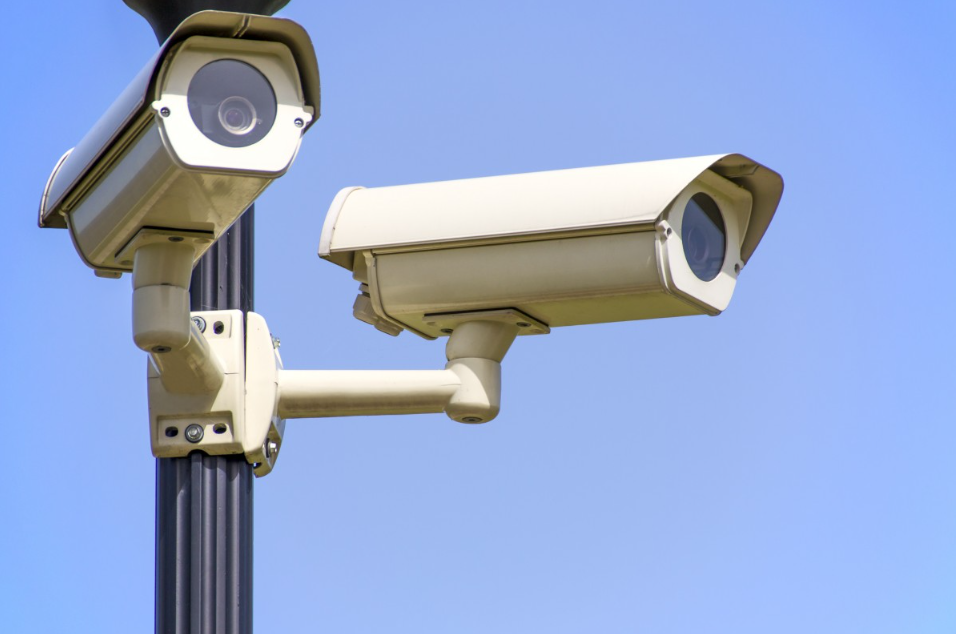
A white camera mounted above a traffic light may be doing something much simpler than identifying a driver: watching a selected patch of roadway for a waiting vehicle. When the system detects a car in that zone, it sends a call to the traffic-signal controller, which can serve that movement according to the intersection’s programmed sequence.

This is machine vision used as a vehicle detector, not necessarily as a license-plate reader or enforcement camera. Engineers configure one or more virtual detection zones within the camera’s field of view. According to the Federal Highway Administration’s summary of video-based traffic detection, image-processing software identifies changes in the relevant pixels as vehicles enter or cross those zones.
How a camera can request a green light
The operating concept resembles an electromagnetic loop embedded in pavement, but the sensing element is above the road. A vehicle entering a defined video zone produces a detection output. Depending on the controller’s programming, that output can request a green phase, extend an existing green or register demand for a turn movement.
The detector does not independently decide that every observed vehicle should receive an immediate green light. The signal controller still follows programmed rules governing sequence, minimum and maximum times, pedestrian intervals and coordination with nearby intersections. Detection tells the controller that demand is present; signal logic determines when and how that demand is served.
This arrangement is especially useful where traffic varies. A side street or left-turn lane may not need green time during every cycle. Detecting whether a vehicle is present allows the controller to allocate time based partly on actual demand rather than relying only on a fixed schedule.
More advanced adaptive systems use data from strategically placed sensors to revise timing as traffic patterns change. The Federal Highway Administration explains that adaptive signal control repeatedly collects traffic data, evaluates conditions and updates timing. A camera may supply part of that data, but its presence alone does not establish that an intersection uses adaptive control.
Detection, monitoring and enforcement are different functions
Some traffic-management cameras provide live views to transportation personnel rather than acting solely as automatic detectors. Those views can help agencies assess congestion, identify crashes, override automatic timing in some circumstances or alert first responders. Observations collected over longer periods can also help engineers evaluate whether signal timing or roadway design should be adjusted.
Automatic license-plate readers perform a different identification function. Enforcement cameras are another category, designed to document possible speeding or red-light violations. Red-light camera use is restricted or banned in many states and remains uncommon in some places where it is permitted. A visible camera near a signal therefore should not automatically be classified as an enforcement device.
Appearance is not a reliable universal guide, however. Equipment selection, permitted uses and data practices vary by jurisdiction, intersection and local law. A housing that looks like a traffic detector could support another authorized purpose, while one installation may combine several traffic-management functions. The responsible transportation agency’s published policies are the appropriate source for the role of a particular system.
Why agencies use more than cameras
Video is only one way to detect vehicles. Traffic-control systems can also use microwave radar, passive infrared sensors, magnetometers and electromagnetic loops installed in or beneath pavement. The FHWA’s overview of roadway sensor technologies notes that above-road sensors can provide presence, count and passage data, while some systems also measure speed, classification or multiple lanes.
Each technology carries integration and maintenance tradeoffs. Cameras can cover several lanes and allow engineers to modify detection zones without cutting pavement. Their performance can nevertheless be affected by obstructed views, shadows, glare, weather, vehicle overlap, dirty lenses, vibration and changing light. Embedded loops are mature and generally insensitive to visibility, but installation and repair can require pavement work and lane closures.
Those constraints explain why intersections may combine sensing methods or use different technologies from one location to the next. The camera above the signal is best understood as one possible input to a larger control system. In many installations, its essential task is not to determine who is driving, but to tell the controller that someone is waiting.
| More aerospace and engineering stories, right in your MSN feed. Follow AMI on MSN |
By Thomas Caldwell — AMI’s senior editor for mechanical and mobility engineering, covering vehicle electronics, systems integration, electrification, chassis systems, propulsion, and safety policy.