India’s Wind-Solar Hybrid Surge Gains Momentum
India’s wind-solar hybrid sector is poised for unprecedented expansion, with capacity projected to climb from a modest 148 megawatts to nearly 11.7 gigawatts by 2023. This forecast, detailed in a joint report by the Institute for Energy Economics and Financial Analysis (IEEFA) and JMK Research, underscores the rapid maturation of a technology designed to address one of renewable energy’s most persistent challenges: intermittency.

“This is a new and fast-growing market in India,” stated Vibhuti Garg, energy economist at IEEFA, alongside Jyoti Gulia, founder of JMK Research. Garg emphasized that hybrid generation offers a pathway to “better manage the intermittency problem of standalone wind and solar and to make clean power more competitive against traditional thermal plants.”
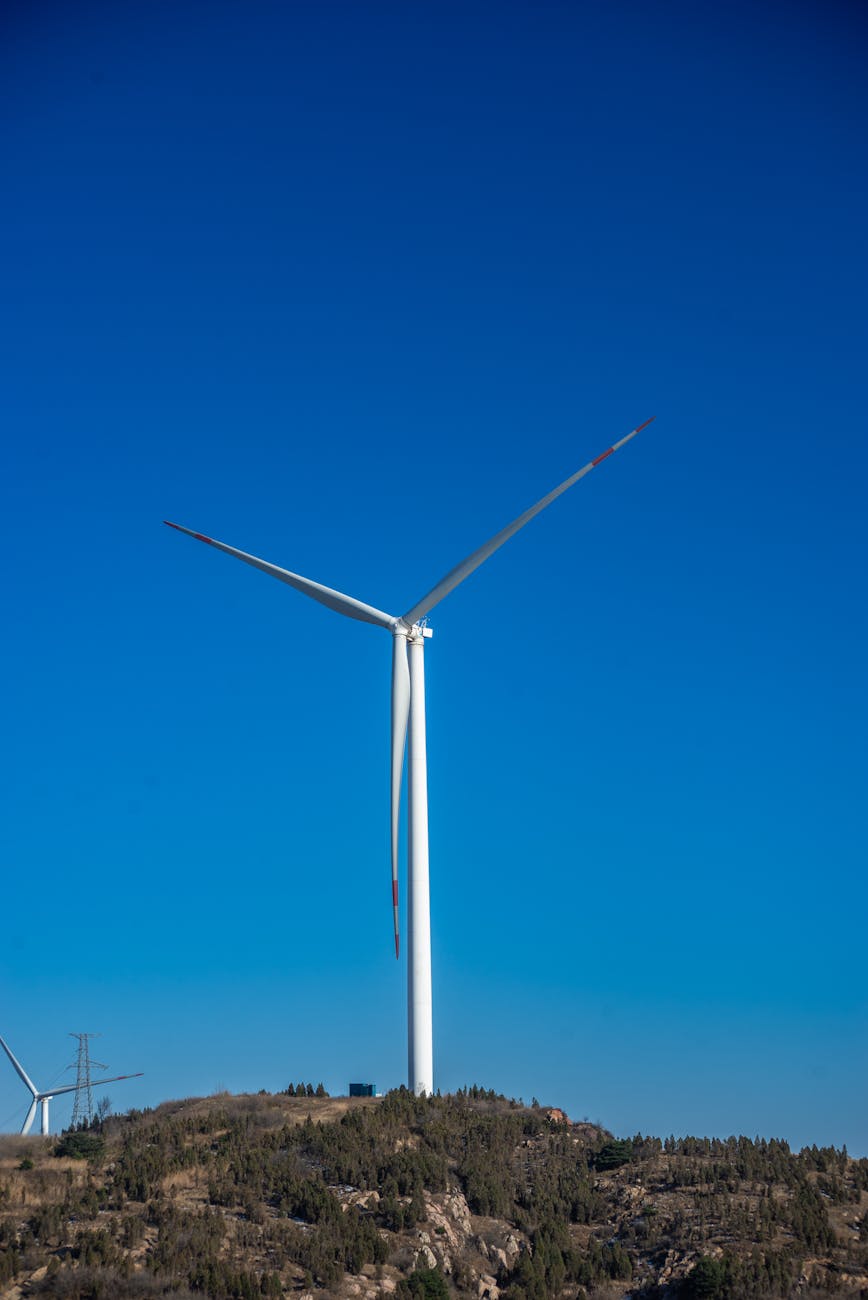
The complementary nature of wind and solar output is central to this promise. Solar energy peaks during daylight hours, while wind speeds often intensify at night. This temporal synergy enables hybrid systems to deliver a more consistent supply profile, reducing reliance on fossil-fuel backup and enhancing grid stability.
Policy support has been instrumental in catalyzing growth. The Solar Energy Corporation of India (SECI) has spearheaded market development through large-scale tenders, while several state governments have introduced targeted incentives. Gulia noted, “SECI has taken the lead by regularly coming up with large tenders to scale up market growth.” The national strategy is shifting toward auctions for round-the-clock and hybrid projects, moving beyond isolated solar or wind procurements.
According to Garg, capacity additions are expected to rise at a compound annual growth rate of 223% between 2020 and 2023. This acceleration is underpinned by competitive pricing. SECI’s wind-solar hybrid projects without storage have achieved tariffs as low as Rs2.67/kWh (US¢3.7/kWh), on par with standalone solar bids. Financial modeling in the report reveals that blending solar and wind at an 80:20 ratio yields a levelised tariff of Rs2.49/kWh (US¢3.32/kWh), while a 50:50 blend results in Rs2.57/kWh (US¢3.43/kWh). However, integrating a two-hour battery backup currently raises tariffs to Rs4.59/kWh (US¢6.12/kWh), a cost premium that remains prohibitive.
“Clearly, adding battery storage is not a feasible option at present because it significantly increases project costs and hence the tariffs,” Gulia explained. Yet both authors anticipate that declining battery prices will eventually make storage integration viable, further bolstering reliability.
The report also examines regulatory frameworks and operational hurdles. Developers face challenges such as policy uncertainty, land acquisition constraints, system sizing complexities, and limited operational experience. Garg pointed out that state-level policy alignment with the National Wind-Solar Hybrid Policy, as seen in Gujarat, Andhra Pradesh, and Rajasthan, can help mitigate these risks. Reserving portions of renewable targets for hybrid projects and offering waivers or incentives could accelerate adoption.
Geographically, India’s renewable potential is concentrated in states like Gujarat, Tamil Nadu, Karnataka, Maharashtra, and Rajasthan. Co-locating wind and solar facilities in these regions offers notable cost advantages—7–8% lower than standalone solar—by reducing expenditures on land, grid connections, and installation hardware. Gulia highlighted, “India’s long coastline is endowed with high-speed wind and is also rich in solar energy resources, providing a great opportunity for the wind-solar hybrid industry.”
This technology is positioned to play a critical role in meeting India’s ambitious renewable energy targets: 175GW by 2022 and 450GW by 2030. By leveraging the inherent strengths of both wind and solar, hybrid systems could enable more efficient use of infrastructure, stabilize output, and support a resilient, low-carbon energy future.