Nickel Mining in Raja Ampat Tests EV Sustainability Ethics
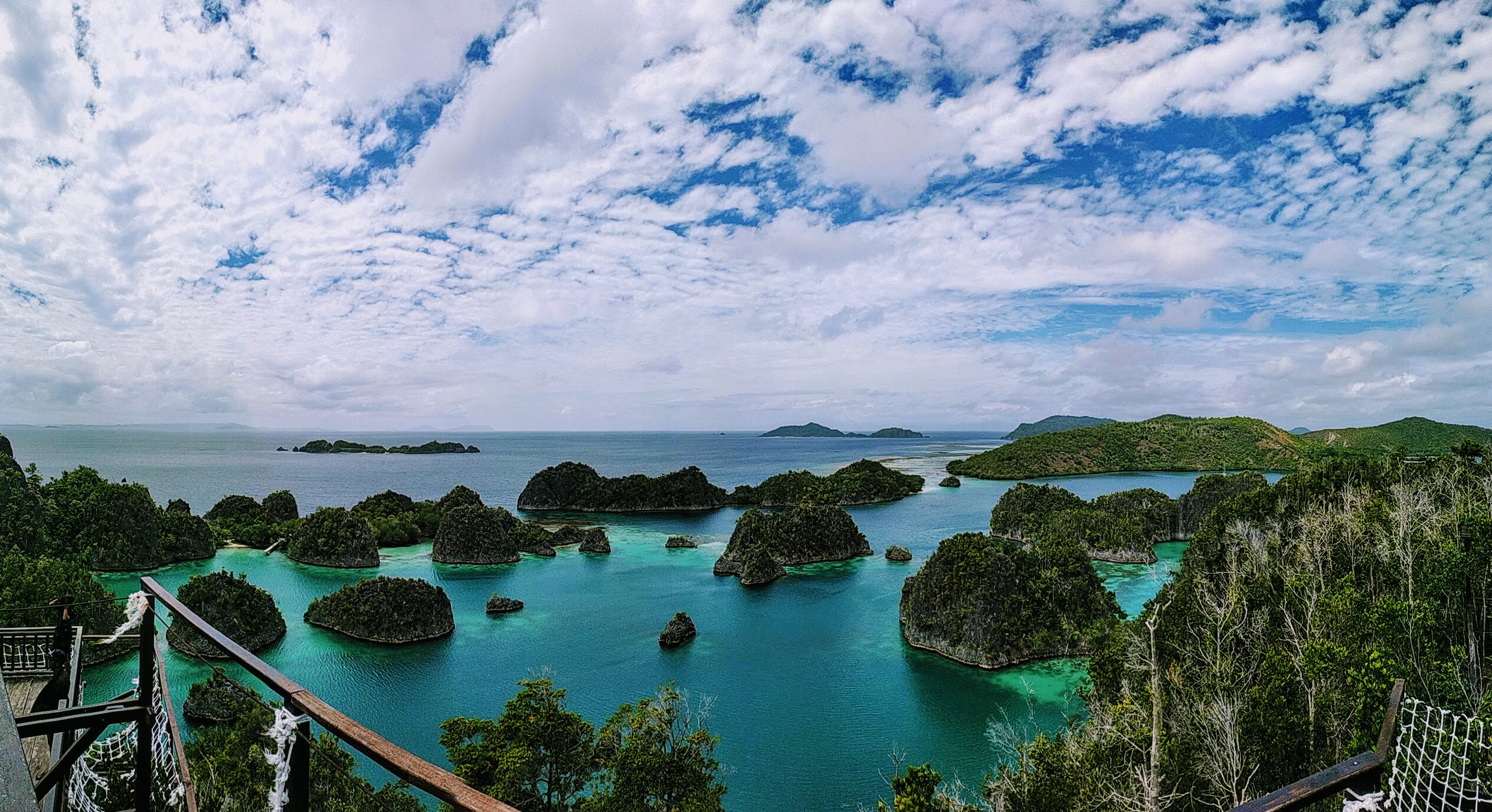
Drone imagery released by Global Witness has revealed stark environmental damage in the Raja Ampat archipelago, a marine biodiversity hotspot in Indonesia’s Southwest Papua Province. Often called the “Amazon of the Seas,” Raja Ampat’s coral reefs and forests are under pressure from nickel mining, a critical supply chain component for electric vehicle batteries and stainless steel. Between 2020 and 2024, mining land use expanded by 500 hectares—about 700 football pitches—across several small islands, according to Global Witness.

In a notable policy shift, Indonesia’s Ministry for the Environment revoked permits for four of five mining companies operating in the region. The ministry stated: “Raja Ampat’s biodiversity is a world heritage that must be protected. We pay great attention to mining activities that occur in the area.” However, aerial and underwater photographs show forest loss and sediment runoff into reef ecosystems, indicating that damage has already occurred. One company on Gag Island, which holds rich nickel deposits, retains its license, with the government pledging to order “restoration of the ecological impacts that occur” there.
Coral reef ecologist Dr Mark Erdmann, who has worked in Raja Ampat for over two decades and helped establish its marine protected areas, described the decision as a rare victory. “This is the global epicenter of marine biodiversity,” he told BBC News, adding that public outrage played a decisive role in prompting government action. His work includes co-founding ReShark, a shark rewilding initiative in the region.
The controversy underscores a broader tension in the global energy transition: the metals enabling battery technology can cause significant ecological harm when extracted. Indonesia now produces more than half of the world’s mined nickel, according to the Institute for Energy Economics and Financial Analysis. While Raja Ampat’s beauty has drawn international attention, similar mining-linked environmental degradation has been documented elsewhere. A 2024 Forest Watch Indonesia study connected mining-related deforestation to increased flooding and landslides.
Demand for critical minerals is influencing geopolitical and economic decisions worldwide. It has driven initiatives such as President Trump’s executive order to accelerate deep-sea mining of metallic nodules in international waters, a move China has labeled illegal. For Indonesia, the challenge is acute. “It has a lot of nickel—one way or the other, some of it’s going to come out of the ground,” Dr Erdmann observed.
Research led by Dr Michaela Guo Ying Lo of the Durrell Institute of Conservation and Ecology and the University of Kent examined mining’s effects on communities in Sulawesi, home to most of Indonesia’s nickel reserves. Findings showed slight poverty reduction but a marked “worsening of environmental well-being,” including increased local water and air pollution. “Indonesia is positioning itself globally in the nickel market,” Dr Lo noted. “But it’s important not to forget what’s happening locally.”
Local activists report that mining is harming farming and fishing livelihoods. Imam Shofwan of Jakarta-based Jatam told BBC News: “They say nickel is a solution to the climate crisis. But it’s causing deforestation and destroying farmland.” He also emphasized that low-lying coastal areas with nickel deposits are highly vulnerable to climate change impacts such as rising sea levels.
The ethical dilemma is sharply framed by Dr Erdmann’s remark: “The nickel dilemma is a horrible one. Mining is always going to be environmentally impactful and we all tend to think that electrification is a good idea. But what is the acceptable damage that we’re willing to see?” For engineers and technologists, this tension between material sourcing and environmental stewardship is not abstract—it is embedded in the design, production, and deployment of next-generation transportation and energy systems.