Engineering Trends Shaping the Automotive Wheels Aftermarket
The global automotive wheels aftermarket reached a valuation of USD 10.3 billion in 2023, with projections indicating growth to USD 15.8 billion by 2032 at a compound annual growth rate of 4.9% from 2024 to 2032. This expansion is fueled by the convergence of consumer customization demands, advances in lightweight materials, and the steady increase in the global vehicle fleet. Aftermarket wheels serve both as replacements for worn-out originals and as upgrades aimed at enhancing style and performance.

Customization remains a primary driver. Vehicle owners increasingly seek distinctive designs, materials, and finishes that set their cars apart. Polished aluminum, chrome, and matte finishes are among the most sought-after options, offering a blend of aesthetic appeal and individual expression. This appetite for personalization extends beyond visual impact, with many buyers selecting wheels that also improve performance characteristics.
Lightweight wheel technology plays a critical role in efficiency gains. Aluminum and carbon fiber constructions reduce unsprung mass, which not only improves handling but also contributes to fuel savings. These materials align with stringent emissions regulations and performance benchmarks, making them attractive to both manufacturers and consumers. In engineering terms, reducing rotational inertia through lighter wheels can yield measurable improvements in acceleration and braking response.
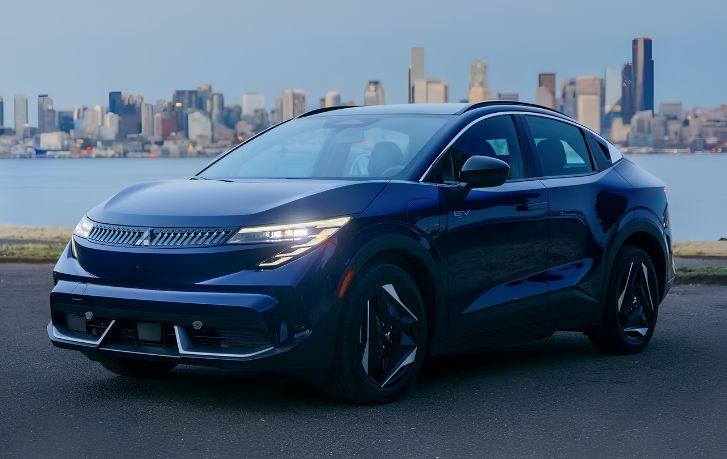
The rapid adoption of electric vehicles adds another dimension to the aftermarket. EV-specific wheel designs are engineered to minimize aerodynamic drag and optimize weight distribution, directly influencing range and energy efficiency. This requirement opens new avenues for manufacturers skilled in integrating structural integrity with aerodynamic refinement.
E-commerce has transformed the accessibility of aftermarket wheels. Online platforms now offer extensive catalogs, enabling buyers to compare specifications, finishes, and pricing with unprecedented ease. The digital marketplace also facilitates direct-to-consumer sales, expanding reach beyond traditional retail channels and allowing niche manufacturers to compete globally.
Emerging material treatments are reshaping durability standards. Powder coating, for example, offers enhanced resistance to corrosion and wear while delivering a high-quality finish. This process electrostatically applies a dry powder, which is then cured under heat to form a protective layer. The result is a surface that withstands harsh environmental conditions without sacrificing visual appeal. As one industry specialist noted, “Powder coatings resist corrosion and wear, making them a popular choice.”
Sustainability is becoming integral to wheel production. Manufacturers are incorporating recycled metals and adopting eco-friendly processes to reduce environmental impact. These practices not only meet tightening regulatory requirements but also resonate with environmentally conscious consumers. The challenge lies in maintaining mechanical performance and aesthetic standards while adhering to sustainable production methods.
Plus-sizing—installing wheels larger than the original equipment—remains a favored upgrade. Larger wheels can enhance a vehicle’s stance and improve handling precision by increasing the tire’s contact patch. They also contribute to better braking performance due to improved grip. This trend underscores the balance between visual enhancement and functional gains that defines much of the aftermarket’s appeal.
Despite strong growth drivers, the market faces notable challenges. Price sensitivity among consumers can limit the uptake of premium products, pushing manufacturers to balance cost control with innovation. Counterfeit wheels present a serious safety hazard, undermining consumer trust and damaging brand reputations. Furthermore, compliance with stringent safety and environmental regulations increases production costs and can restrict design freedom, requiring careful engineering trade-offs.
The automotive wheels aftermarket thus stands at the intersection of material science, consumer behavior, and regulatory oversight. Its trajectory reflects broader shifts in mobility, from electrification to sustainability, with engineering innovation serving as the critical link between evolving demands and market success.