Electric Vehicles Reach Critical IP Mass
An obscure Danish patent from 1917, granted to Eric Tigerstedt for a foldable phone handset, serves as a reminder that technological revolutions often rest on decades of incremental progress. The Motorola MicroTAC flip phone, launched in 1989, arrived only after sustained advances in radio, semiconductor, and battery technologies. Even then, early mobile devices were rudimentary. Yet by 2000, global mobile phone users numbered over 100 million, far exceeding forecasts, and by 2019 that figure surpassed 5 billion. Cellular wireless technology evolved far beyond its original purpose, embedding itself into nearly every facet of modern life.

The trajectory of electric vehicle (EV) development mirrors this arc. Electric motor patents date back to the early 1800s, but for much of their history, progress was hindered by material and battery limitations. Efforts such as Gustave Trouvé’s 1881 electric tricycle and General Motors’ EV1 in the late 1990s failed to achieve mass adoption due to missing technological building blocks. Only in the past three decades have lithium-ion cells matured enough to support large-scale EV commercialization. This breakthrough was recognized in 2019 when John B. Goodenough, M. Stanley Whittingham, and Akira Yoshino received the Nobel Prize in Chemistry for their work on lithium-ion batteries, underscoring the profound impact of battery technology on modern mobility.
Technological disruption tends to follow a pattern: long plateaus punctuated by bursts of innovation. Between 1815 and 1915, the horse and carriage dominated personal transport until converging advances in petroleum science, mechanical engineering, and manufacturing propelled the internal combustion engine into mainstream use. Karl Benz’s 1886 Patent-Motorwagen marked an early milestone, but it was Ford’s Model T in 1908 that brought automobiles to the masses. The transition took decades, with horse-drawn transport persisting into the 1930s in regions lacking modern roads and fuel infrastructure.
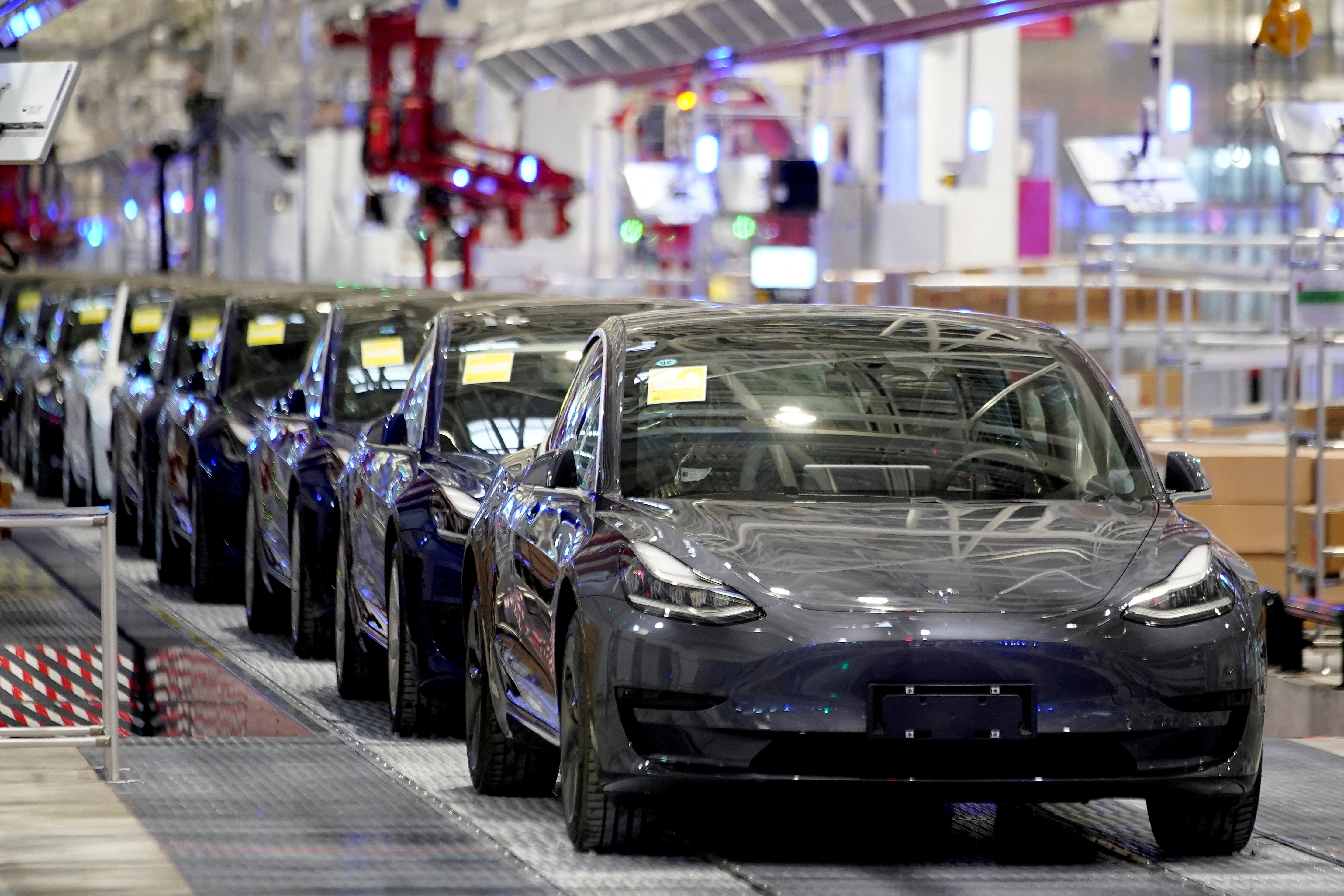
A similar convergence is now reshaping the automotive landscape. In 2017, global EV sales exceeded one million units, and by March 2020 Tesla had produced its millionth vehicle. Yet the vehicles themselves are not inherently disruptive; rather, the ecosystem of goods and services emerging around them will redefine transportation. Critical mass has been reached across several symbiotic technology plateaus, enabling innovations at the periphery—autonomous systems, AI integration, and advanced charging infrastructure—that will transform EVs into a self-sustaining technological platform.
Patent activity reflects this shift. While the traditional automotive sector is saturated with intellectual property tied to combustion engines, the displacement of that supply chain opens space for new rights. Autonomous vehicles illustrate the trend. A keyword search of U.S. published patent applications containing “autonomous,” “electric vehicle,” and “artificial intelligence” reveals near-exponential growth over the past decade. This surge is supported by greater certainty in software-related patenting decisions following the USPTO’s 2019 Revised Patent Subject Matter Eligibility Guidance, paving the way for more grants in autonomous EV technology.
The economic implications are substantial. In 2017, Strategy Analytics projected that autonomous driving would create a “passenger economy” worth $7 trillion by 2050, reshaping industries from ride-hailing and concierge services to long-haul freight and package delivery. These shifts will demand new engineering solutions and generate fresh intellectual property across multiple domains.
Beyond vehicles themselves, the EV ecosystem depends on reliable electrical supply, standardized grid connections, and rapid charging capabilities. Range anxiety remains a barrier; consumers seek freedom from home charging constraints and limited public infrastructure. Environmental considerations also loom large. Lithium-ion battery packs, composed of numerous cells, present opportunities for both recycling spent cells and repurposing those with remaining capacity. Patent filings in the United States related to EV fast charging have risen steadily since 2002, as have those concerning lithium recycling, signaling sustained innovation in these critical support technologies.
As these interconnected advances solidify, the EV platform is poised to expand far beyond its current role, driving changes across transportation, energy, and manufacturing while reshaping the intellectual property landscape.