Freight Rail’s Steady Hand in a Shaken Supply Chain
During the COVID-19 pandemic, when many components of the U.S. supply chain faltered under unprecedented stress, the freight rail sector demonstrated a notable capacity for stability and adaptability. A new study from the Northwestern University Transportation Center (NUTC) details how railroads sustained the movement of critical goods despite widespread logistical disruptions. The research, led by Joseph Schofer, Hani Mahmassani, Max Ng, and Breton Johnson, combined shipment data analysis, literature review, and interviews with executives from railroads, intermodal carriers, equipment manufacturers, leasing firms, shippers, and major e-commerce companies.

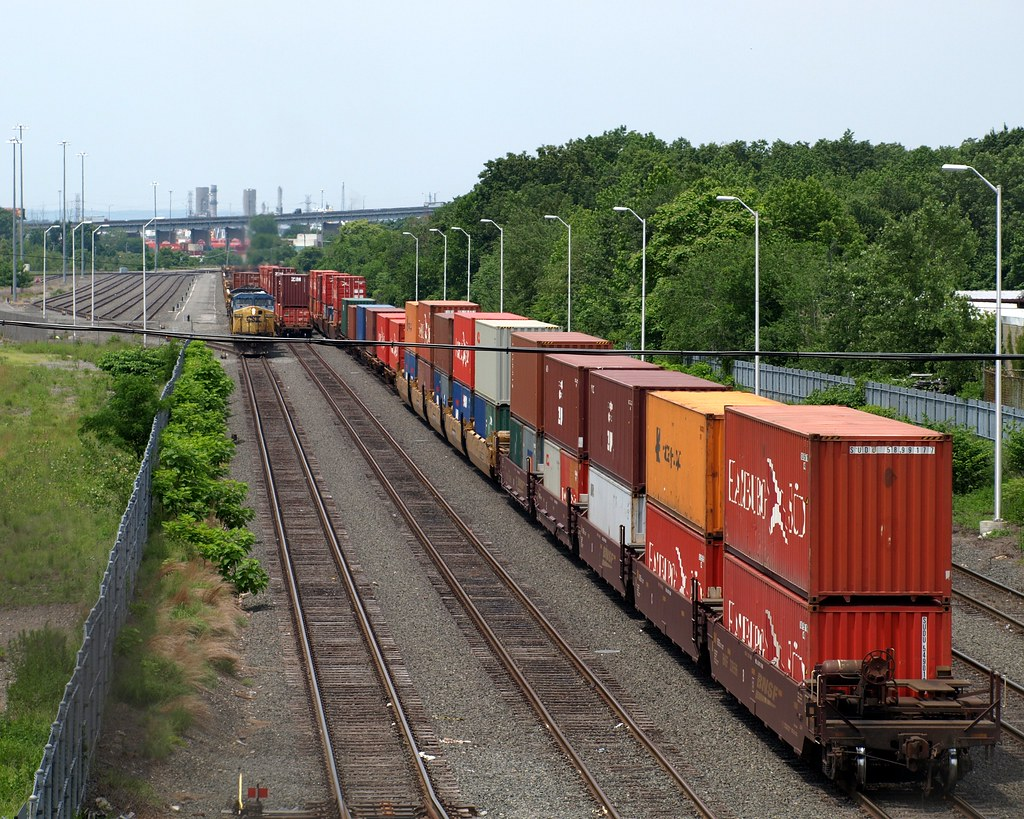
The findings show that freight rail maintained throughput while other transport modes faced severe constraints. Port congestion, shortages of intermodal chassis, and high rates of truck freight load rejections disrupted the broader logistics network. Yet railroads continued to deliver agricultural commodities, personal protective equipment, and the surge of online retail merchandise that consumers demanded. This performance underscored rail’s position as an essential backbone of the national economy.
Schofer, professor of civil and environmental engineering at Northwestern’s McCormick School of Engineering, emphasized the shift in consumer behavior: “The role of intermodal rail service in support of consumers’ COVID-19-driven jump from in-person buying experiences to online shopping underscores the value of the railroads to American households.” The study’s data confirm that intermodal rail freight volumes in 2020 exceeded pre-pandemic forecasts, with third and fourth quarter figures surpassing those of 2019 and 2018. This growth aligned with the long-term trajectory of e-commerce, which had expanded by 70% over the previous two decades.
Mahmassani, NUTC director and the William A. Patterson Distinguished Chair in Transportation at McCormick, noted the industry’s adaptability: “Railroads proved to be nimble and flexible in dealing with the pandemic disruptions and post-pandemic surges in demand, fulfilling their key role to keep the nation’s supply chains moving.” The interviews conducted for the report highlighted how rail operators adjusted to the rapid increase in intermodal traffic, much of it driven by the acceleration of online shopping during lockdowns.
The operational resilience of freight rail during this period was not solely a product of short-term adjustments. It reflected decades of sustained private investment in infrastructure, rolling stock, and technology. Ian Jefferies, president and CEO of the Association of American Railroads (AAR), stated, “The unprecedented events of the last year have reminded us that the massive private investment of railroads over the years — combined with continued innovation — has positioned railroads well to meet growing freight demand and unexpected challenges. NUTC’s important research underscores the unique responsibility that freight railroads hold and illuminates the ways in which we can support recovery and a strong economic future.”
From an engineering and systems perspective, freight rail’s pandemic performance illustrates the advantages of high-capacity, fixed-guideway transport for long-haul freight. Rail networks can absorb demand surges more effectively than road-based freight when supported by robust intermodal terminals and coordinated scheduling. The integration of rail with ports and trucking operations is critical, yet rail’s ability to bypass certain chokepoints allowed it to maintain reliability when other modes stalled.
The report also points to the importance of informed regulatory policy at federal, state, and local levels. Strategic oversight can ensure that freight rail remains a resilient component of the transportation ecosystem, capable of weathering unpredictable shocks. Operational innovations—ranging from precision scheduled railroading to advanced condition monitoring of rolling stock—further enhance efficiency and reliability.
The sustained growth of e-commerce suggests that the demand patterns forged during the pandemic will persist. This trajectory will continue to position freight rail as a vital link between manufacturers, distribution centers, and consumers. For engineers and technologists, the sector offers a case study in how infrastructure, investment, and operational discipline can combine to preserve supply chain integrity under extreme conditions.