Inside Waymo’s High-Fidelity Autonomous Driving Simulator
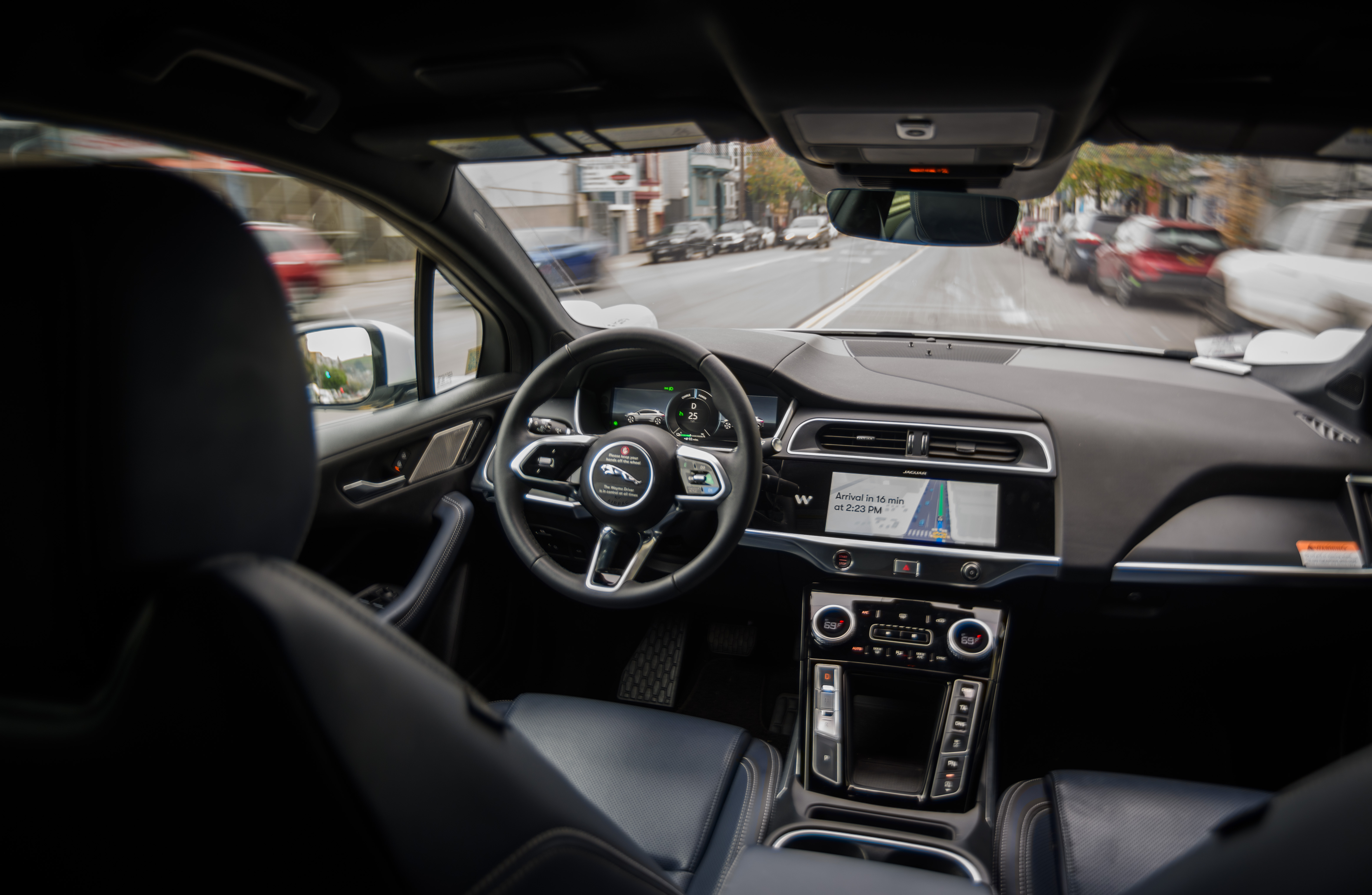
Waymo’s latest advancement in virtual testing, internally named SimulationCity, represents a significant leap in autonomous vehicle evaluation. Designed to mirror the operational domains of both Waymo One rider-only services and Waymo Via goods delivery, the system synthesizes entire trips to determine a single critical metric: whether the Waymo Driver completes the journey safely and efficiently.

SimulationCity builds on more than 20 million autonomous miles logged on public roads, supplemented by third-party datasets such as the NHTSA Crash Data Systems and the Naturalistic Driving Study. It also leverages Alphabet’s computing infrastructure and advances in sensor simulation, intelligent agent modeling, object trajectory generation, and automated data labeling. This combination enables the creation of full-length, statistically representative journeys—whether a 20-minute ride across San Francisco or an 11-hour freight haul from Phoenix to Dallas.
For simulation to be predictive of real-world performance, the gap between virtual and physical environments must be minimized. Waymo’s engineers focus on replicating not only the visual and sensor inputs of real driving but also the nuanced behaviors of other road users. This includes environmental fidelity down to raindrops on lidar during a Detroit spring shower at sunset, complete with dimming light and solar glare.
Statistical realism is central to the system’s design. By drawing from real-world distributions of driver behavior, SimulationCity can generate a wide range of plausible outcomes. For example, in a tailgating-at-an-intersection scenario, the majority of simulated tailgaters may brake in time. However, the system also models less common but critical cases, such as when a tailgater fails to brake due to distraction. By iterating across many variations, the distribution of simulated outcomes converges toward observed real-world patterns.
This capability extends to rare and risky events that the Waymo Driver has not yet encountered on public roads but are still grounded in real-world data. Such scenarios are invaluable for stress-testing decision-making logic and ensuring readiness for low-probability, high-impact incidents.
The fidelity of SimulationCity is maintained through constant data refreshes from Waymo’s active fleet operating in dozens of cities. This allows the virtual environment to incorporate evolving urban features, such as the rise of micromobility devices or the installation of parklets. These subtle changes influence road user interactions and must be accurately represented in simulation.
High-fidelity modeling is particularly critical for Class 8 truck operations. Long-haul freight introduces unique dynamics, including variable payload weights and the behavior of free-moving trailers. SimulationCity accounts for these factors, and its platform-agnostic architecture allows simulation tools developed for passenger vehicles to be applied to heavy trucks, and vice versa.
While targeted scenario testing—such as evaluating an unprotected left turn—remains a valuable tool for refining specific capabilities, SimulationCity’s strength lies in full-trip simulations. These longer runs allow engineers to assess how individual skills integrate over time and across diverse conditions. They also enable the aggregation of trip-level performance metrics, offering a more holistic view of system reliability and efficiency.
Waymo describes SimulationCity as an “everything engine” that accelerates the safe deployment of its autonomous technology. By enabling rapid iteration across vehicle platforms, geographic regions, and operational complexities, the system supports both the expansion of service areas and the refinement of operational safety protocols. As simulation capabilities grow, so too do the demands placed on evaluation frameworks, ensuring that each advance in virtual testing translates into measurable improvements on public roads.