Italian Air Force Deploys Counter-Drone Unit to Qatar
Between 23 November and 20 December 2021, the Italian Air Force executed its first operational deployment of a Counter-Unmanned Aerial System (C-UAS) Task Group to Qatar. The mission supported the Qatari Armed Forces during the FIFA Arab Cup 2021, a high-profile sporting event requiring enhanced airspace security. The Task Group operated under the Italian National Contingent Command Air (IT NCC Air) and Task Force Kuwait, both part of Italy’s “Prima Parthica” contribution to Operation Inherent Resolve, the multinational campaign against Daesh in Iraq and Syria.

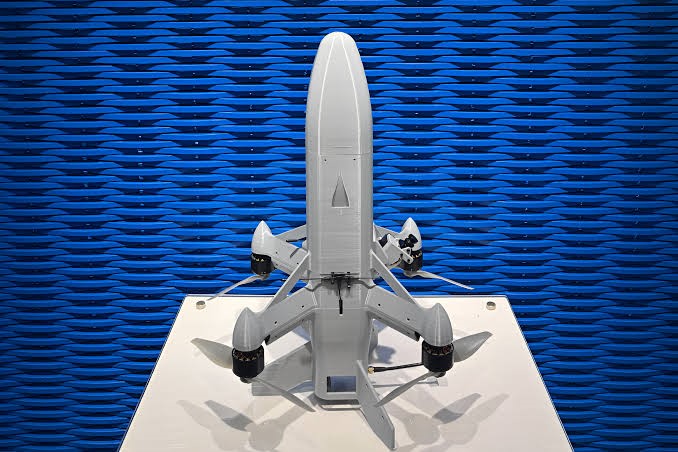
The deployment addressed the growing threat posed by mini and micro drones—small, remotely piloted aircraft capable of operating alone or in coordinated swarms. Such systems can penetrate low-altitude airspace over sensitive areas, including military installations and event venues, evading conventional air defense measures. Their potential to carry explosive payloads or conduct reconnaissance makes them a significant security concern.
For the Qatar mission, the Italian Air Force employed the fixed ACUS (AMI Counter UAS) system alongside portable jammer units. While specific technical details of ACUS remain undisclosed, contemporary C-UAS architectures typically integrate early detection sensors, target analysis algorithms, and identification protocols. Once a threat is confirmed, the system initiates neutralization—often via electronic warfare measures. These measures disrupt multiple radio frequency bands, severing the drone’s link to its operator, cutting live video feeds, and blocking GPS signals, thereby rendering the aircraft inoperative.
Approximately 30 personnel formed the Task Group. This included Air Riflemen from the 16° Stormo “Forces Protection” and force protection specialists from the 4th, 6th, and 32nd Wings. Their combined expertise ensured both technical operation of the C-UAS systems and physical security of the deployment sites. The portable jammer systems provided flexible coverage, allowing rapid repositioning to counter shifting threat vectors, while the fixed ACUS installation offered persistent monitoring over designated high-risk zones.
The IT NCC Air, established on 17 October 2014, functions as a unified command and logistical hub for Italian Air Force assets in support of Operation Inherent Resolve. Under the leadership of Colonel Antonio Vivolo, the command coordinates air operations and integrates with Italian Army units, such as the SAMP/T surface-to-air missile batteries stationed at Alì Al Salem, Kuwait. These assets contribute to the defense of Kuwaiti airspace and reinforce the security framework for both Italian and host nation forces.
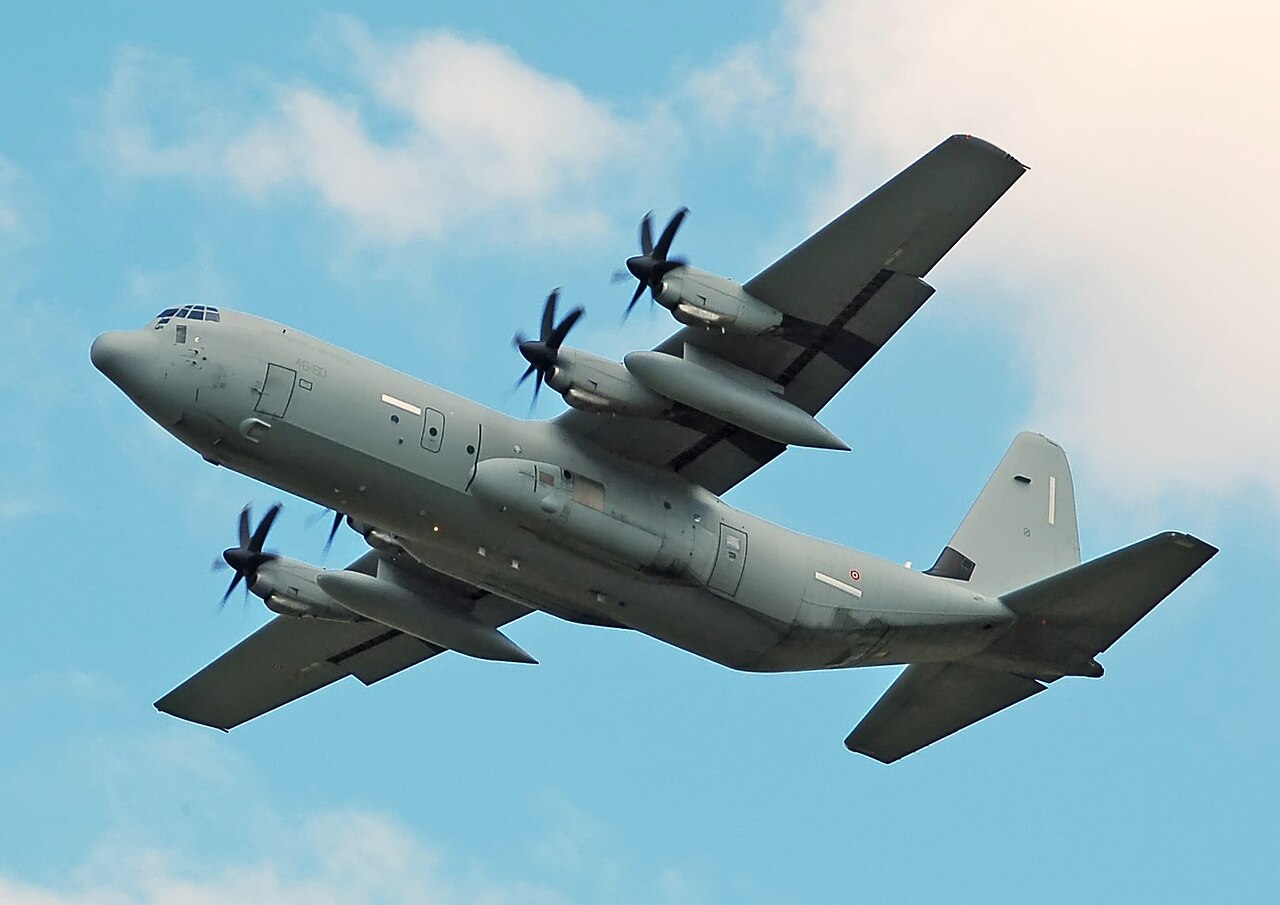
Italian Air Force contributions to OIR include Eurofighter Typhoon aircraft and MQ-1 Predator drones tasked with intelligence, surveillance, and reconnaissance (ISR) missions. KC-767A tanker aircraft provide air-to-air refueling (AAR) support to coalition partners, extending operational endurance and reach. The integration of C-UAS capabilities into this force structure reflects a broader recognition of the evolving aerial threat environment, where small unmanned systems demand dedicated countermeasures distinct from traditional air defense systems.
The deployment to Qatar demonstrated the operational readiness of Italy’s counter-drone capability in a live environment. Sporting events present unique challenges: dense civilian presence, concentrated infrastructure, and high media visibility increase the stakes for security operations. The use of both fixed and portable systems allowed layered defense, combining constant surveillance with agile response.
Electronic warfare remains a cornerstone of modern C-UAS operations. By targeting the control and navigation signals of hostile drones, EW systems can neutralize threats without kinetic engagement, reducing collateral risk. However, the effectiveness of such measures depends on rapid detection and classification, as small drones can appear suddenly and operate within tight time windows before reaching their targets.
In deploying to Qatar, the Italian Air Force not only supported an allied nation’s security but also validated its own C-UAS doctrine under operational conditions. The mission underscored the importance of integrating counter-drone measures into broader defense frameworks, particularly in environments where conventional air defense assets may be ill-suited to address low-altitude, small-scale aerial threats.