Hydrogen Cars Struggle Against Battery EV Momentum
Hydrogen fuel cell electric vehicles (FCEVs) promise a compelling mix of attributes: long driving range, rapid refuelling comparable to petrol or diesel, and zero tailpipe emissions apart from water. Yet despite these advantages, they remain rare on the road. A dedicated group of supporters maintains that hydrogen-powered EVs outperform battery-electric vehicles (BEVs), but the technology faces entrenched challenges in cost, infrastructure, and energy efficiency.

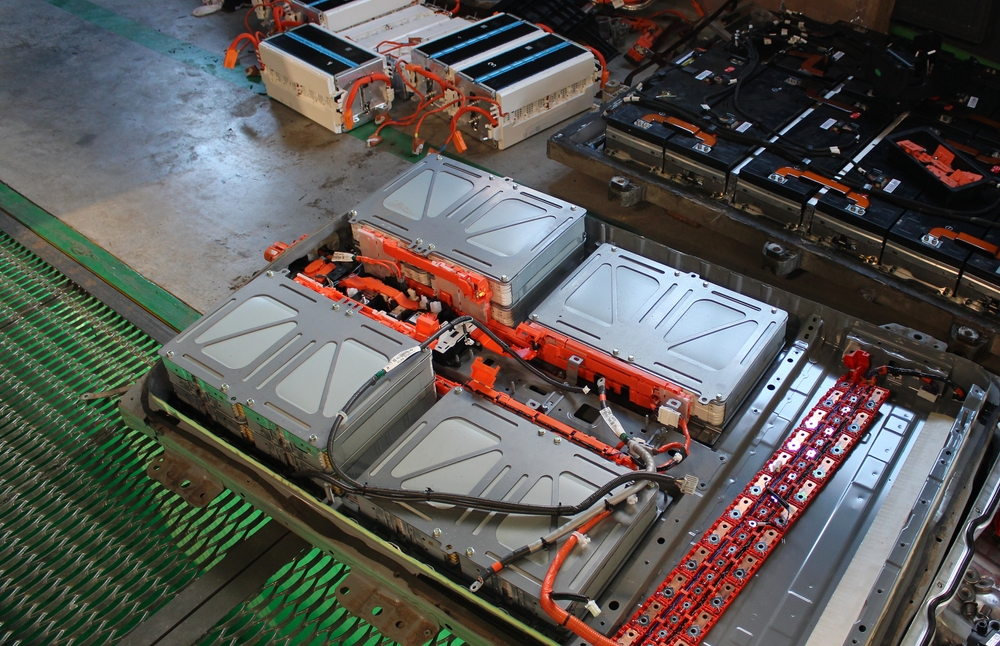
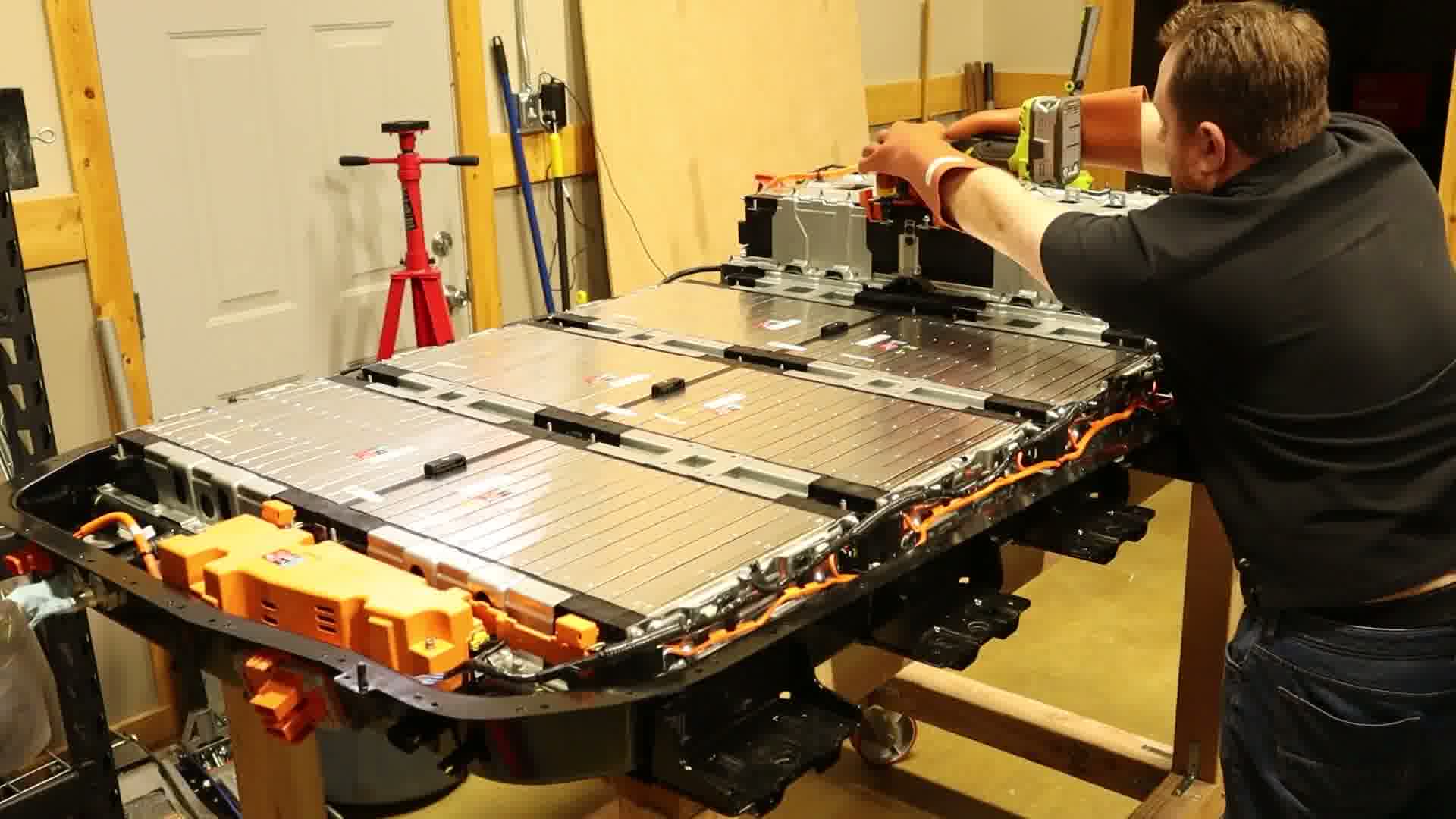
An FCEV shares its electric drive system with a BEV, but differs in how electricity is generated and stored. BEVs draw power from the grid and store it in large battery packs, typically mounted low in the chassis. FCEVs, in contrast, carry pressurised hydrogen in onboard tanks. This hydrogen feeds a fuel cell stack, where hundreds of individual cells—each producing less than one volt—are combined to generate the voltage needed for propulsion. The electrochemical reaction between hydrogen and oxygen produces electricity and water as the sole output.
Hydrogen’s high energy density makes it an effective energy carrier, though its volatility demands rigorous safety measures. Modern tanks use carbon fibre shells with glass fibre layers, withstand pressures well beyond operating norms, and integrate sensors to detect leaks. These designs have advanced far beyond the era of the Hindenburg.
Commercial offerings remain limited. Honda’s FCX Clarity, launched in 2008, was the first full-production fuel cell car, but it was built in small numbers and confined to select markets. In the UK today, only Toyota’s Mirai and Hyundai’s Nexo are available. The second-generation Mirai, introduced in 2020, carries three tanks for a claimed 400-mile range, with prices between £54,000 and £65,000. UK registrations total about 160 units across both generations, with 45 declared off-road. Hyundai’s Nexo, capable of refuelling in about five minutes for a range of up to 413 miles, has seen just 29 UK registrations according to database estimates.
Other manufacturers have taken cautious steps. BMW has begun small-scale production of iX5 Hydrogen SUVs for global testing, while Mercedes abandoned its hydrogen car programme in 2020 to focus on fuel cell heavy goods vehicles in partnership with Volvo. Globally, JATO Dynamics data from 2021 shows hydrogen car sales at 15,500 units.
Infrastructure is a decisive barrier. BEVs benefit from the ubiquity of electrical supply, with over 37,000 public charging points in the UK by December 2022. Hydrogen refuelling stations are far fewer—only 11 nationwide as of January 2023, down from 14 the previous year after closures by Shell. Building a single hydrogen station costs about £2 million, and a viable UK network would require at least 1,000 stations, an investment of roughly £2 billion. Most existing sites are located on industrial estates or research facilities, inconvenient for public use.
Hydrogen production in the UK is concentrated in industrial applications, primarily from natural gas. Government strategy launched in August 2021 envisions hydrogen supplying 20–35% of national energy by 2050, with goals including replacing natural gas in three million homes by 2030. This includes “green” hydrogen from renewable-powered electrolysis and “blue” hydrogen from natural gas with carbon capture.
Distribution poses further hurdles. Unless produced on-site, hydrogen must be transported by tanker trucks, consuming fuel to deliver fuel—a model far less efficient than transmitting electricity via the national grid. In contrast, BEVs increasingly draw on renewable electricity, which accounted for 43% of UK generation in late 2021.
Hydrogen’s prospects are stronger in heavy transport. Buses in the UK and abroad already use fuel cells, and applications in trucks, trains, and aircraft are under active development. These vehicles can refuel at dedicated depots, avoiding reliance on widespread public infrastructure. The UK government’s transport hydrogen strategy targets 4,000 new zero-emission buses and supporting facilities, with projects such as the Tees Valley Hydrogen Transport Hub expected to be operational by 2025.
For passenger cars, however, batteries have gained the upper hand. BEV ranges are increasing, charging times are falling, and infrastructure expansion is far more feasible than building a hydrogen network from scratch. While FCEVs may find niche roles where their attributes align with user needs, widespread adoption in private transport remains unlikely under current conditions.