Engineering a Circular Economy for Plastic in India
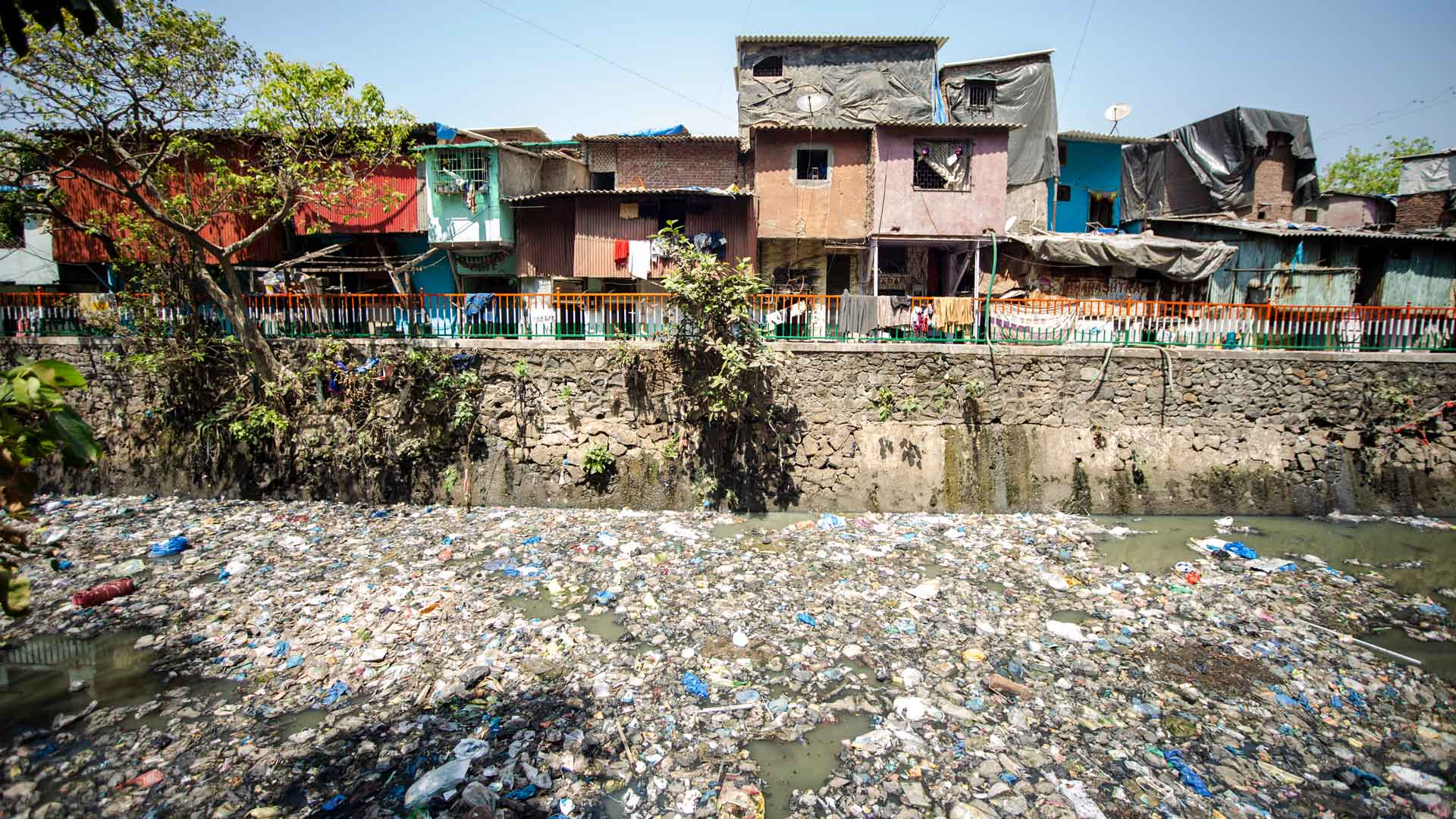
The United Nations Development Programme (UNDP) and Hindustan Unilever Limited (HUL) have initiated a large-scale effort to embed circular economy principles into India’s plastic waste management systems. This collaboration aims to address both environmental and social dimensions of the problem, integrating advanced material recovery processes with community-level engagement.

Central to the project is the establishment of material recovery facilities capable of handling diverse categories of plastic waste along the value chain. These facilities will not only process high-value recyclable plastics but also manage lower-grade materials that typically escape recovery streams. By encouraging 100,000 households to segregate waste at the source, the initiative seeks to improve collection efficiency and feed cleaner inputs into recycling operations. Source segregation is a critical step in reducing contamination, enhancing polymer quality, and lowering the energy footprint of reprocessing.
The programme’s design acknowledges the indispensable role of the informal waste sector. In India, waste pickers—now referred to as Safai Saathis, or “invisible environmentalists”—form the backbone of urban recycling networks. The project will reach 20,000 Safai Saathis across major cities, connecting them to government welfare schemes and assistance programmes. This scale of social inclusion is unprecedented in the country’s waste management landscape.
The partnership builds on a pilot effort that diverted 8,000 metric tonnes of plastic waste from landfills. That earlier phase established three recycling facilities in Mumbai and linked 3,300 Safai Saathis and their families to welfare schemes. Notably, around 75% of those reached were women, highlighting the gendered dimensions of informal waste work and the potential for targeted empowerment.
HUL Managing Director Sanjiv Mehta stated: “The partnership between HUL and UNDP is a holistic and replicable model that promotes plastic circularity and collective action. The partnership will also promote the social inclusion of the invisible superheroes of our society, Safai Saathis, at scale.” His emphasis on replicability points to the engineering and operational frameworks underpinning the model—systems that can be adapted to different municipal contexts without losing efficiency.
UNDP India Resident Representative Shoko Noda underscored the urgency of the challenge: “Plastic waste is one of the most concerning challenges of our times. The programme promotes an innovative multi-stakeholder model between municipal corporations, corporates, Safai Saathis and people to work together for cleaner and greener cities.” This multi-stakeholder approach aligns with best practices in sustainable engineering, where cross-sector collaboration often yields more resilient solutions.
From a technical perspective, material recovery facilities in such initiatives must be designed to handle heterogeneous input streams. Advanced sorting technologies—such as near-infrared spectroscopy for polymer identification, air classifiers for density separation, and automated shredding systems—can significantly improve throughput and quality. Integrating these with manual sorting, often performed by Safai Saathis, creates a hybrid model that balances technological efficiency with local employment.
The social engineering component is equally critical. Formalising the role of Safai Saathis through welfare linkages and occupational health measures not only improves livelihoods but also stabilises the workforce essential for sustained recycling operations. In many Indian cities, informal waste workers operate without protective equipment or secure income, making them vulnerable to health risks and economic shocks. Embedding them into structured systems addresses these vulnerabilities while enhancing operational reliability.
Circular economy principles in plastics hinge on closing the loop—ensuring that materials re-enter productive use rather than becoming environmental pollutants. For engineers and material scientists, this involves designing recovery systems that preserve polymer integrity, reduce thermal degradation during reprocessing, and enable repeated recycling cycles. The partnership’s focus on “all kinds of plastic waste” suggests an ambition to tackle multi-layered packaging and other hard-to-recycle formats, which require specialised mechanical or chemical recycling methods.
By combining infrastructure development, behavioural change at the household level, and social inclusion of the informal sector, the UNDP-HUL initiative demonstrates a systems-level approach to a complex engineering challenge. Its pilot results indicate measurable environmental impact and social benefits, offering a blueprint for scaling circular economy models in diverse urban environments.