Five Groundbreaking Space Missions Launching in 2023
Following a year marked by milestones such as NASA’s Artemis 1 flight, the James Webb Space Telescope’s operational debut, and the completion of China’s Tiangong space station, 2023 brings a new wave of ambitious space missions that promise to push technological and scientific boundaries.

The European Space Agency’s Jupiter Icy Moons Explorer (Juice) is scheduled for launch between April 5 and April 25. This will be Europe’s first dedicated robotic mission to Jupiter, embarking on a complex trajectory through the solar system to arrive in July 2031. Once in Jupiter’s vicinity, Juice will conduct repeated flybys of Europa, Ganymede, and Callisto, moons believed to harbor subsurface oceans beneath thick ice shells. After four years of close encounters, the spacecraft will transition into orbit around Ganymede, marking the first time any mission has orbited a moon other than Earth’s. Equipped with ten instruments, including ice-penetrating radar, Juice will map internal structures and assess habitability potential. Such radar surveys are a precursor to future missions that may deploy autonomous underwater probes into extraterrestrial oceans.
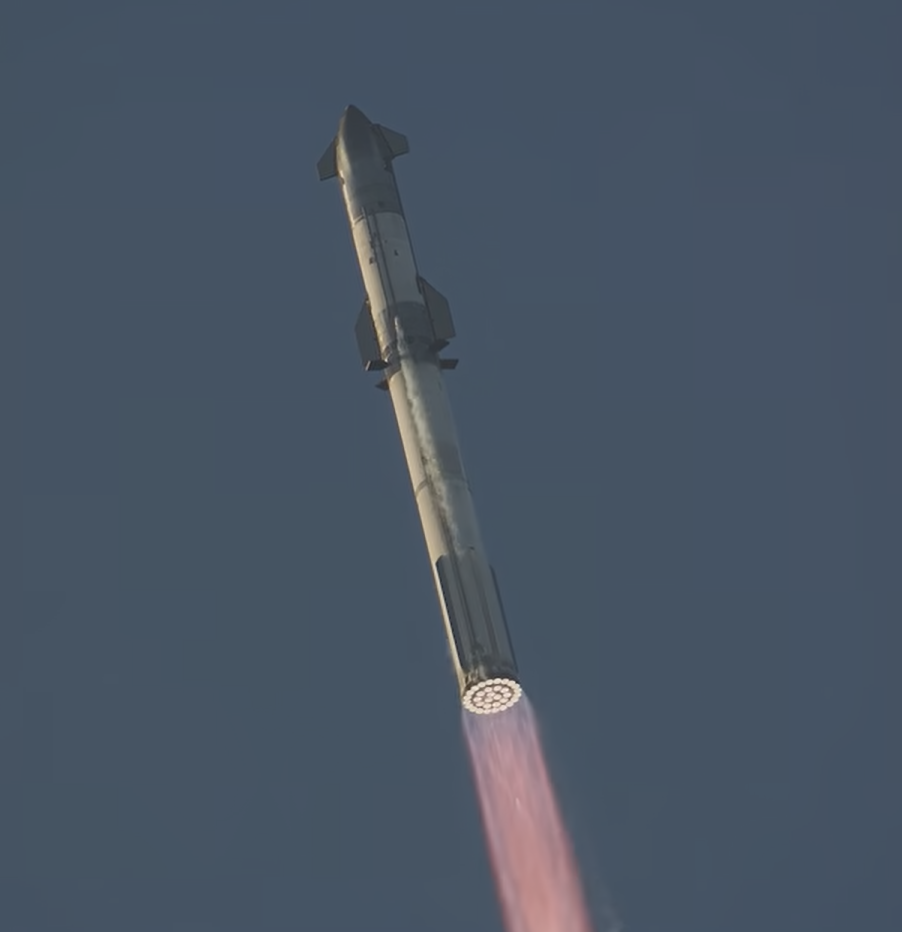
SpaceX’s Starship system is poised for its first orbital test flight in early 2023, though no firm date has been set. Comprising the Super Heavy booster and the Starship upper stage, the fully reusable system is designed to deliver up to 100 metric tons to low Earth orbit. The booster will lift Starship to approximately 65 kilometers before separating and returning for a controlled landing, while the upper stage continues to orbit under its own propulsion. Previous suborbital flights tested Starship prototypes, but this mission will be the first integrated launch of the complete stack. As the most powerful launch vehicle yet constructed, Starship’s performance will be closely scrutinized by engineers and industry observers.
Linked to Starship’s progress is the dearMoon project, financed by entrepreneur Yusaku Maezawa. This mission aims to carry Maezawa and eight selected members of the public on a six-day circumlunar journey. “I want to share this experience with as many people as possible,” Maezawa has stated in earlier announcements. The participants, chosen through a global application process, have not been publicly identified, though speculation suggests they may be artists or creatives. If realized, dearMoon will represent the first deep space tourism venture, with extended exposure to the hazards of space travel beyond Earth’s protective magnetosphere.
NASA’s OSIRIS-REx mission is on course to return samples from the near-Earth asteroid Bennu. Launched in 2016, the spacecraft collected material from Bennu’s surface in 2020 and is now heading back toward Earth. On September 24, its sample capsule is expected to detach, re-enter the atmosphere, and land in Utah’s desert. The returned material—potentially up to one kilogram—will offer insights into the early solar system. Bennu’s composition includes water-altered minerals and precious metals, and its classification as a potentially hazardous asteroid adds a planetary defense dimension to the mission’s importance.
In the commercial launch sector, India’s Skyroot Aerospace is preparing its first orbital satellite mission following the suborbital success of its Vikram-S rocket in November 2022. The company’s approach centers on rapid manufacturing of 3D-printed rockets, aiming to reduce costs and turnaround times. Achieving orbit in 2023 would make Skyroot the first private Indian firm to place a satellite in space, expanding competitive access to launch services for both commercial and scientific payloads.
These missions underscore the diversity of objectives driving modern spaceflight—from probing icy moons for signs of life, to testing next-generation heavy-lift vehicles, enabling private lunar travel, returning ancient asteroid material, and opening new national markets for orbital access. Each reflects the intersection of engineering innovation, scientific curiosity, and expanding commercial capability that defines the current era of exploration.