US Hydrogen Fuel Cell Car Sales Continue to Slide
Hydrogen fuel cell vehicles, long promoted as a zero-emission alternative to battery-electric models, remain a rare sight on American roads. Even in California, the only state where two series-produced models are offered, sales are shrinking. Data from the Hydrogen Fuel Cell Partnership, compiled by Baum and Associates, show that in the first quarter of 2023, just 725 new hydrogen fuel cell cars were sold nationwide. That represents a drop of nearly 30 percent compared with the same period a year earlier.

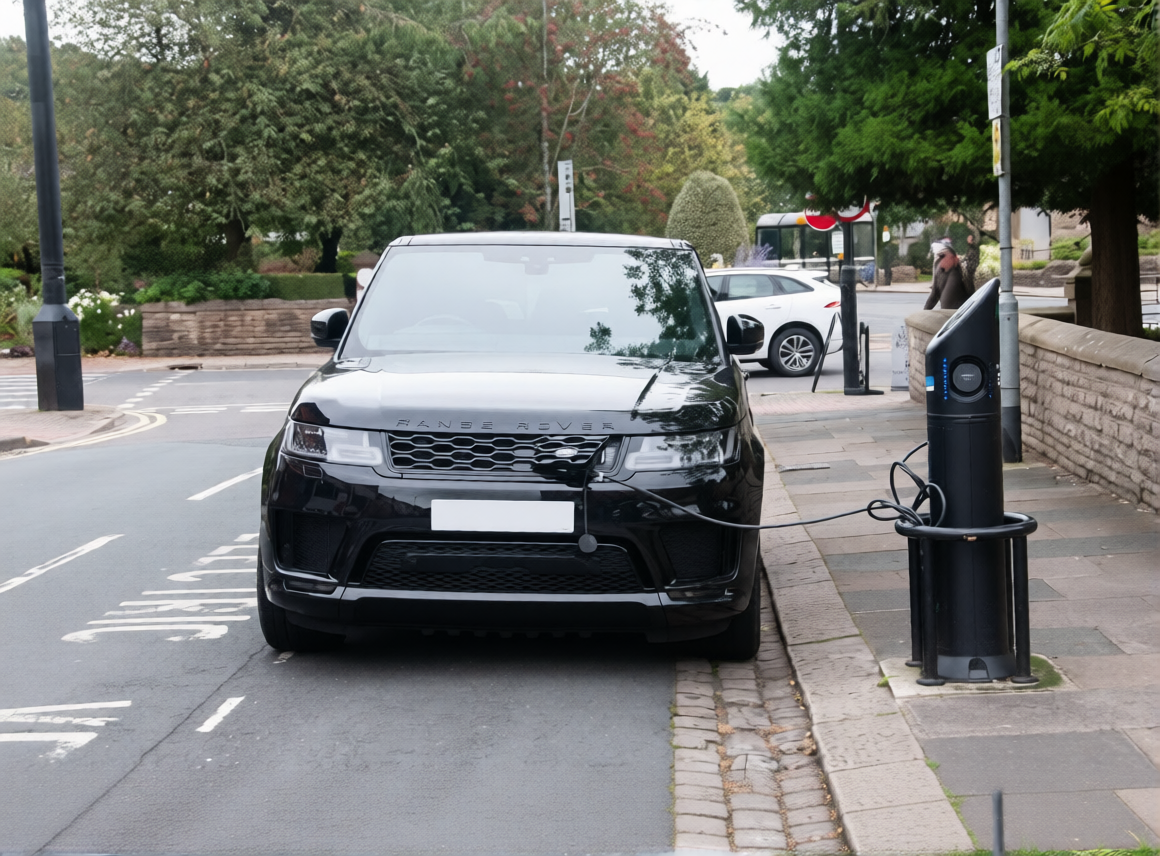
The Partnership notes that “sales data is based on car sales sold by a dealer to a retail or fleet customer.” Against the backdrop of approximately 3.7 million total vehicle sales in the quarter, the hydrogen tally is marginal. Battery-electric vehicles, by contrast, recorded 257,507 registrations in the same period, a year-over-year increase of 63 percent. California alone saw 87,525 new BEVs and 16,470 plug-in hybrids in the first quarter.
Quarterly hydrogen sales did match the fourth quarter of 2022, when 720 units were sold, but that stability offers little comfort given that more than 1,000 units moved in the first quarter of each of the two preceding years. The market is currently limited to two models: Toyota’s Mirai and Hyundai’s Nexo. Honda’s Clarity Fuel Cell exited earlier, leaving the segment even more constrained.
Manufacturer-reported figures indicate 668 Toyota Mirai units sold in Q1, down 7 percent year-over-year, and 65 Hyundai Nexo units, down 61 percent. Toyota accounts for more than 90 percent of the volume. The disparity between manufacturer numbers and Partnership data reflects differences in reporting methods, but the trend is clear: both models are losing ground.
In 2022, total hydrogen fuel cell vehicle sales reached 2,707 units, a 19 percent decline from 2021. Toyota sold 2,094 Mirai units, down 20 percent, while Hyundai moved 408 Nexos, down 5 percent. The cumulative total of FCVs sold in the United States exceeded 15,700 by the end of March 2023, an increase of 18 percent over the prior year. More than 12,000 of those vehicles are Mirais.
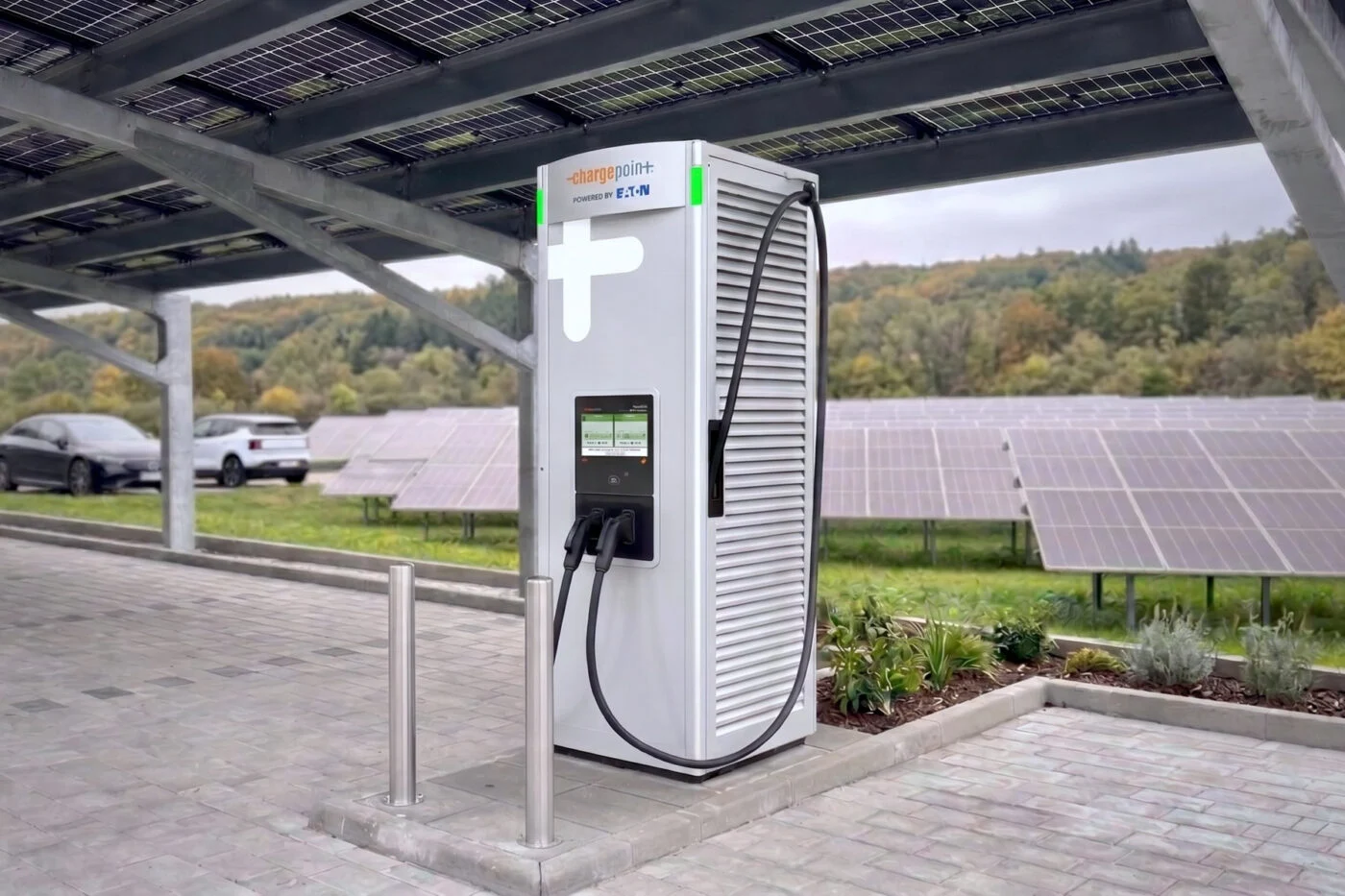
Infrastructure remains a limiting factor. As of May 22, 2023, California had 58 open retail hydrogen stations, five more than in December. Including non-retail and legacy sites, the total number of light-duty hydrogen stations stood at 106. A simple calculation based on cumulative sales and open retail stations yields more than 270 cars per station, though the actual ratio may be lower if older vehicles have been retired.
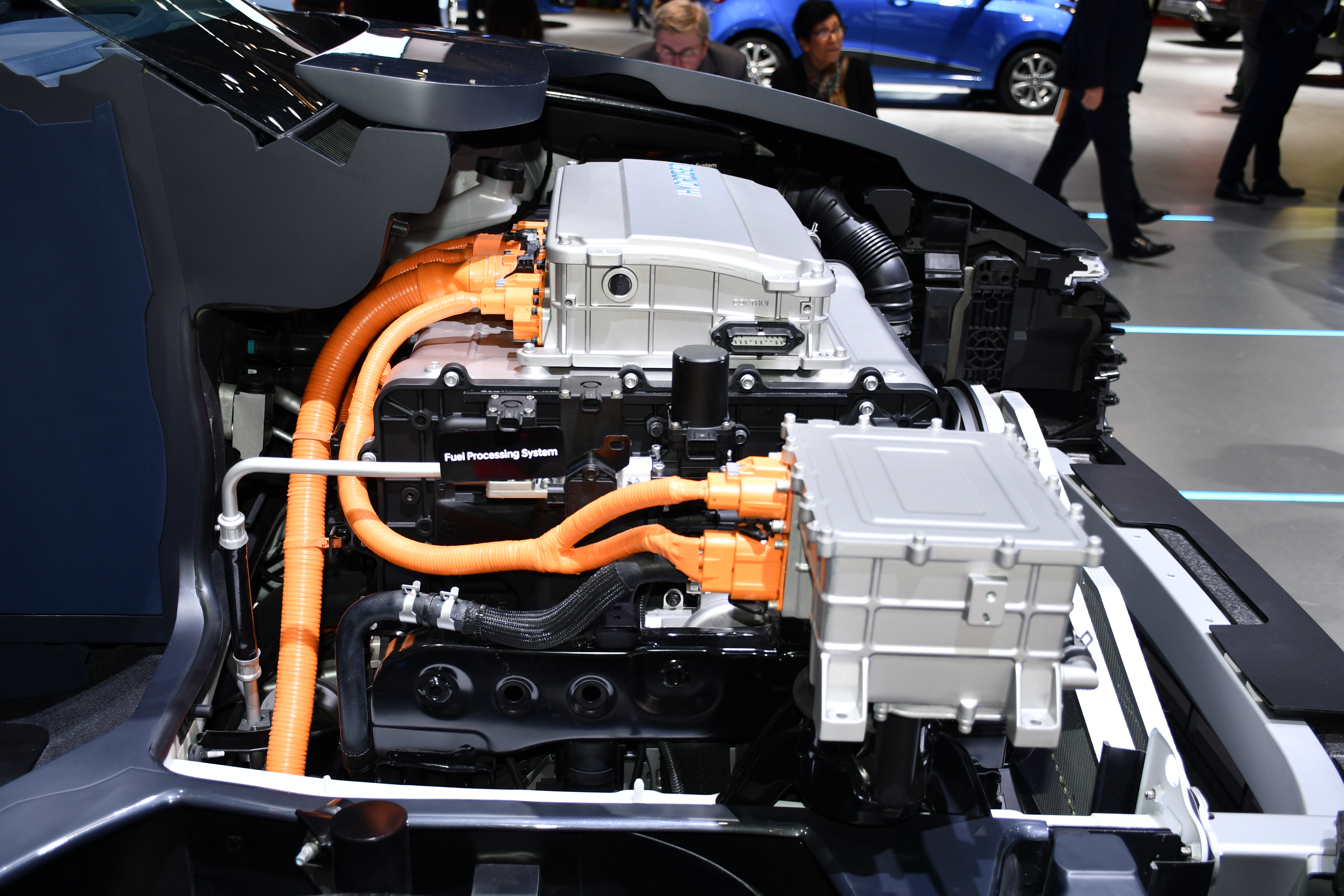
Hydrogen fuel cell technology offers certain engineering advantages, such as rapid refueling and long driving range, particularly in cold climates where battery performance can suffer. However, high vehicle costs, limited model availability, and sparse refueling infrastructure have constrained adoption. In contrast, battery-electric technology benefits from rapidly expanding charging networks, falling battery prices, and strong consumer interest, driving its share of the U.S. market to around seven percent.
For hydrogen to gain traction, significant changes would be required. Lower vehicle prices, broader model selection, and a denser network of refueling stations would be essential. The capital investment needed to achieve this is substantial, raising questions about who might commit the billions required to develop the niche. Without such investment, hydrogen fuel cell cars risk remaining a small, specialized segment rather than a mainstream option.