Virginia Tests Mobile 3D Printers for Affordable Housing
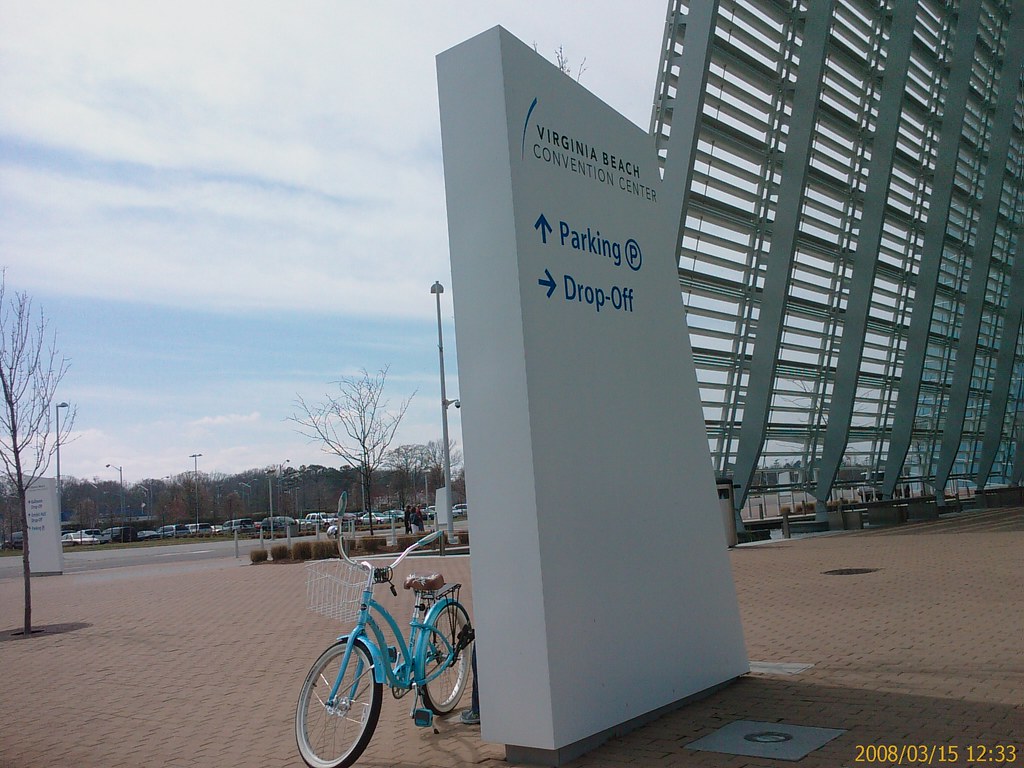
At the Virginia Beach Convention Center, an 11-foot robotic arm traced the outline of a bench, moving with precision despite being mounted on a four-ton construction platform. Normally, this machine would be extruding layers of quick-setting concrete, but during the Governor’s Housing Conference it was demonstrating the mechanics of large-scale 3D printing. With minimal programming, the system could shift from printing small objects to producing the concrete walls of a full-sized home.

Virginia Tech researchers, working with Virginia Housing—the state’s housing agency—are exploring whether this technology can accelerate and reduce the cost of home construction in a state facing a significant housing shortage. Chris Thompson, Virginia Housing’s director of strategic housing, stated, “We’re in a severe housing deficit. We need more inventory, and we are just looking for new ways to get more houses built and help alleviate some of that pressure.”
Data from the past decade underscores the urgency: between 2013 and 2023, average rents in Virginia climbed 24%. Many housing advocates point to increased construction as the most direct route to improved affordability. For Andrew McCoy, Virginia Tech’s housing research director, the appeal of 3D printing lies in its potential to compress construction timelines. “We’re taking the exterior walls, for example, which include many different materials, processes and labor, and we can hopefully consolidate that into a system that saves us money on all the different time constraints that we have across the trades and getting people in and working,” McCoy explained.
Labor shortages in skilled trades such as masonry and carpentry often stall projects, leaving partially built homes idle. By integrating wall fabrication into a single automated process, 3D printing could reduce these bottlenecks. To advance this approach, Virginia Housing has committed $1.1 million to Virginia Tech. The funding will bring the printer to active construction sites, enabling the build of ten affordable homes in partnership with commercial developers. Locations for these projects are still under consideration.
The grant also aims to reduce the financial risk for builders experimenting with 3D printing. By supplying both the equipment and training, the program intends to give developers direct exposure to the workflow, materials, and operational requirements. Thompson noted, “We’re hoping that we can plant the seed and show that there’s a proof of concept and that this is a viable way of building.”
In the United States, 3D printed housing remains rare. While a few startups have delivered printed homes to market, Virginia Tech has been an early participant, completing two such projects in 2021—one in Richmond and another in Williamsburg. Those builds revealed limitations in earlier hardware: the previous printer required transport via three semi-trucks and on-site assembly with a crane.
The new system, sourced from India-based Tvasta Construction, represents a significant improvement in mobility and deployment. Mounted on treads similar to those of a compact excavator, it can drive under its own power, load onto a flatbed trailer, and be hauled by a pickup truck. This self-propelled design allows rapid relocation around a job site, increasing operational flexibility. Despite its smaller footprint, the printer matches the output speed of the larger, more cumbersome predecessor.
Beyond hardware, the grant supports research into alternative printing materials. Current concrete formulations are costly and carry a substantial carbon footprint. McCoy emphasized the importance of material innovation: “The concrete itself is expensive, and we’re increasingly seeing it as something that we need to refine. We’re looking at plastics, we’re looking at foams, things like that, all kinds of different things that we can put on this robotic arm and print.”
Such material diversification could align with broader sustainability goals in construction, reducing environmental impact while maintaining structural performance. For engineers and technologists, the combination of robotic automation, advanced materials, and mobile deployment presents a compelling case study in how manufacturing innovations can intersect with urgent societal needs.