3D Printing Reshapes Global Construction Landscape
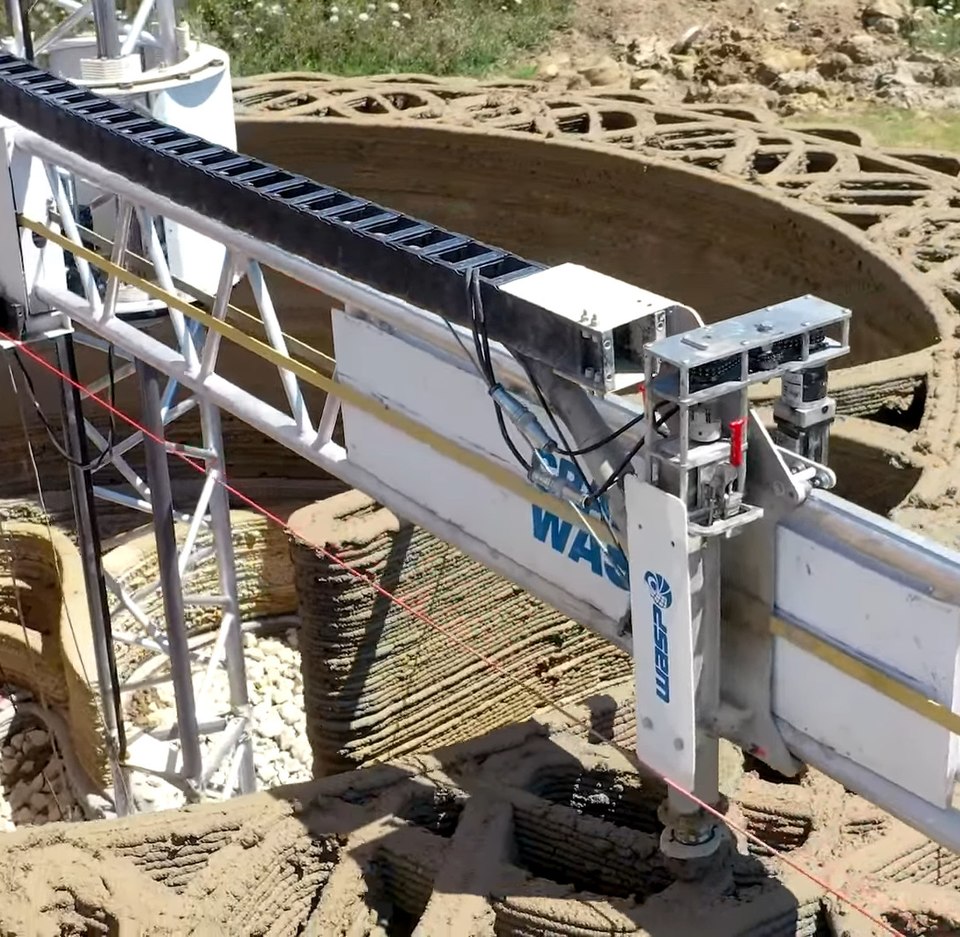
The global 3D printing construction market is undergoing rapid expansion, with projections indicating a leap from USD 173.3 million in 2024 to USD 736,030.5 million by 2033. This represents a striking compound annual growth rate of 153.0%, underscoring the technology’s accelerating adoption in building projects worldwide. At its core, 3D printing in construction applies materials such as concrete, plastics, and metals in successive layers, guided by digital models, to produce structures with high precision and minimal waste.

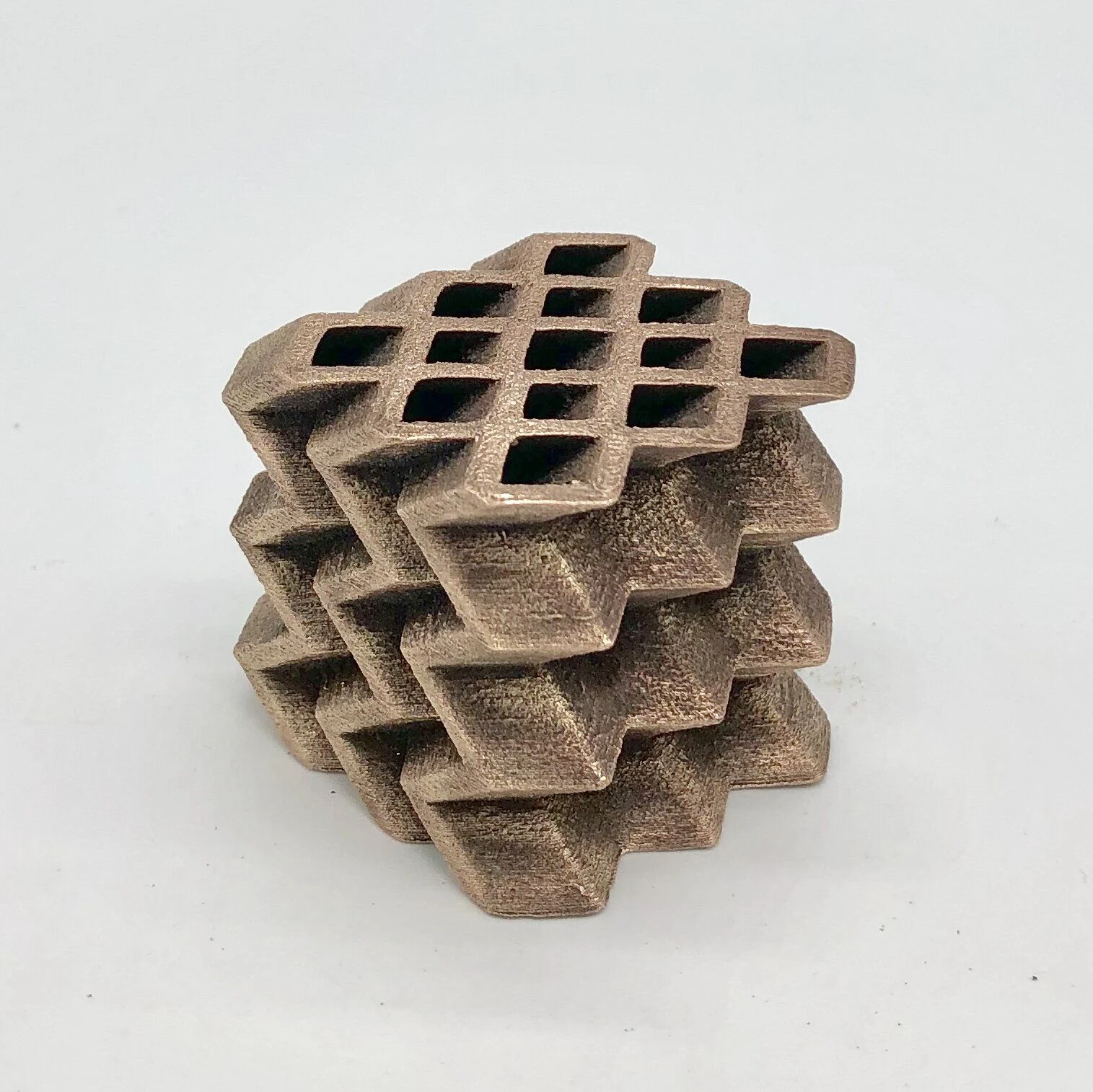
Advances in additive manufacturing have enabled the creation of intricate architectural forms that would be costly or impractical using traditional methods. Modeling software drives these designs, allowing for rapid prototyping and accurate final products while reducing manufacturing costs. The method’s efficiency translates into shorter build times, reduced labor requirements, and improved material utilization.
In the United States, the market is expected to grow from USD 16.2 million in 2024 to USD 46,699.7 million by 2033, with a CAGR of 56.0%. Drivers include technological improvements that lower costs and the rising demand for customized, sustainable construction solutions. Environmentally friendly materials and processes are gaining traction, aligning with broader sustainability goals. A survey noted that by 2022, the U.S. had over 5 million multifamily residential buildings, nearly 40.1 million housing units, and more than 5 million commercial buildings—figures that are set to rise alongside population growth, fueling infrastructure expansion.
Among construction methods, extrusion is poised to dominate with a 63.5% revenue share in 2024. Concrete will lead material usage at 34.4%, while the building segment—encompassing commercial, residential, and industrial projects—will hold 73.4% of the market. Asia Pacific is projected to account for 41.5% of global revenue in 2024, driven by rapid urbanization, affordable housing initiatives, and government-backed modernization programs. China, for example, has embraced national strategies to integrate advanced construction technologies, including 3D printing.
Sustainability plays a pivotal role in adoption. The use of recycled materials and processes that lower carbon footprints align with international environmental objectives. Large-scale and affordable housing projects benefit from the speed and cost-effectiveness of 3D printing, offering a potential solution to housing shortages. Companies are investing heavily in R&D to develop advanced printing systems and materials, such as novel concrete mixes and composites, while expanding into high-demand regions through partnerships and pilot projects.
Despite the momentum, challenges remain. High capital investment and material costs can deter smaller firms, and technical limitations—such as machinery precision and available material properties—restrict broader application. A shortage of skilled labor familiar with additive construction techniques further complicates scaling. Integration with Building Information Modeling (BIM) offers a pathway to greater accuracy, reduced waste, and lower costs, enhancing the technology’s appeal.
Recent developments illustrate the market’s dynamism. In January 2024, AJAX Engineering introduced a 3D concrete printing machine capable of translating CAD designs directly into physical structures. October 2023 saw Chennai-based Tvasta complete a demonstration building in Thiruvananthapuram named AMAZE-28. In August 2023, L&T Construction unveiled a 3D-printed post office built with COBOD’s BOD2 printer, following their earlier affordable housing initiatives. L&T also completed India’s first 3D-printed post office in April 2023 for ₹23 lakh. Internationally, COBOD International partnered in November 2022 with PT Modula Sustainable Development Indonesia to promote sector growth, while in March 2022, Shimoda Iron Works in Japan adopted MX3D’s Wire Arc technology for industrial components.
As urban populations swell and infrastructure demands intensify, 3D printing’s combination of precision, efficiency, and design freedom positions it as a transformative force in construction. The convergence of advanced materials, digital modeling, and sustainable practices is reshaping how buildings are conceived and executed, with implications that extend across commercial, residential, and industrial domains.