Renault’s Hydrogen Vans Gain Ground in France’s Zero Emission Push
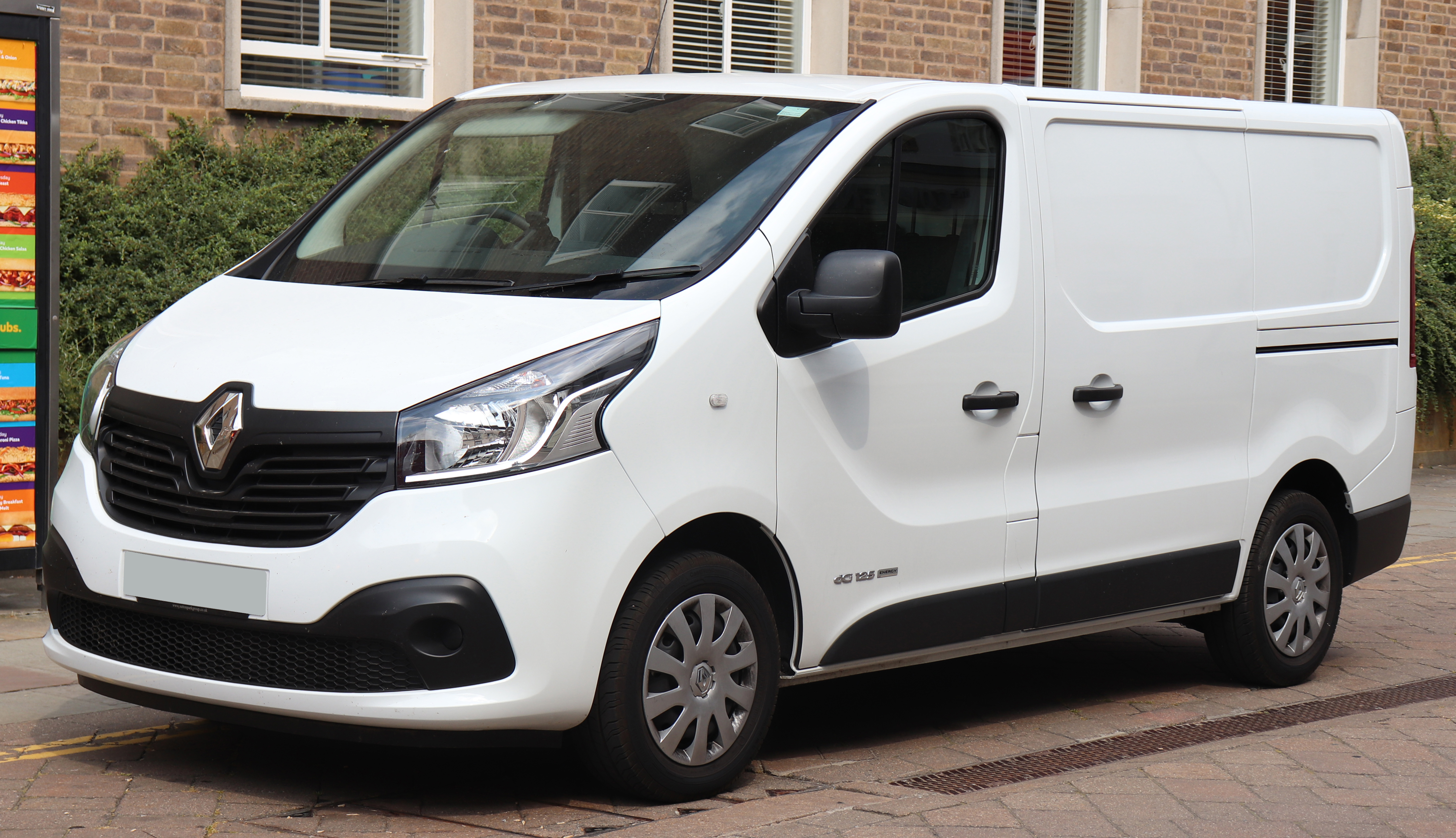
Renault Group’s hydrogen ambitions are accelerating through its Hyvia joint venture, with an initial delivery of 50 hydrogen fuel cell vans to the Auvergne-Rhône-Alpes region this year. The program targets 400 light-duty and 80 heavy-duty fuel cell vehicles in the near term, scaling to 1,000 units. This deployment aligns with the region’s Zero Emission Valley initiative, described as “the largest renewable hydrogen-driven mobility project in France.”

The hydrogen supply chain for this effort is anchored by Hympulsion, a public-private consortium formed in 2019 by the Auvergne-Rhône-Alpes regional council, Michelin, ENGIE, Banque des Territoires, Crédit Agricole, and EU funding partners. Unlike the dominant global hydrogen production methods—steam methane reforming from natural gas and coal gasification—Hympulsion’s strategy centers on green hydrogen generated via electrolysis powered by renewable energy. Although green hydrogen remains a small fraction of the market, falling costs for both renewable electricity and electrolyzer systems have spurred rapid growth.
Hympulsion’s infrastructure plan includes 11 electrolyzers capable of producing sufficient hydrogen for approximately 1,100 light-duty commercial fuel cell vehicles. Distribution targets vary slightly between sources: the company’s own materials cite 18 fueling stations, while Renault mentions 15. Hyvia itself is a 50-50 partnership between Renault and U.S.-based Plug Power, a long-standing player in hydrogen fuel cell systems.
Fuel cell electric vehicles (FCEVs) operate as electric drivetrains powered by onboard fuel cells rather than large battery packs. Hydrogen reacts with oxygen from ambient air to produce electricity, emitting only water vapor. While the systems are complex and costly, they offer rapid refueling—comparable to internal combustion vehicles—along with long range and reliable cold-weather performance. These attributes have attracted interest in regions where battery-electric limitations on range, payload, or charging infrastructure pose operational challenges.
Hyvia’s Renault Master Van H2-Tech has already undergone pilot testing in Europe. The company’s approach extends beyond vehicle manufacturing to a turnkey package covering financing, maintenance, and eventual resale. This integrated model is aimed at easing adoption for commercial fleets and is being positioned for broader European markets.
Hydrogen fueling availability remains a critical factor. Even with the longer range of FCEVs, a network of 15 to 18 stations is modest for a large, active region. To address this, Hyvia is promoting deployable electrolyzer-based fueling systems under the proprietary name Hywell. Designed for constrained sites, the Hywell unit is a compact, plug-and-play station capable of producing 1,000 kilograms of green hydrogen per day—enough for 20 to 25 vehicles. Renault describes it as “adapted to the needs of rapid deployment of light and intensive H2 mobility” and emphasizes its role in “accompany[ing] the successive phases of decarbonisation of professional fleets.”
Fleet adoption is a focal point for zero-emission strategies due to the potential for rapid, concentrated impact. The Association of Fleet Professionals (AFP) has observed a shift: “Some fleets are starting to ‘take hydrogen seriously’ as a zero-emission fuel option because of issues encountered in running electric vans,” according to AFP commentary reported by Fleet News. These issues include range, payload capacity, towing performance, and charging logistics. AFP chair Paul Hollick noted, “Some fleets in some applications are finding that the range and payload of the electric vans available so far remain unsuitable for their needs. There are also operational issues ranging from poor towing ability through to practical difficulties such as charging out of hours.”
Recent developments in the UK, such as the Vauxhall Vivaro-e Hydrogen and trials of First Hydrogen vans in Wales, have contributed to renewed interest. In some cases, novel hydrogen production methods—like extracting hydrogen from wastewater—are also under evaluation. While government incentives remain the primary catalyst for early adoption, the combination of maturing technology, targeted infrastructure, and operational advantages is beginning to carve a space for hydrogen fuel cell vans in commercial transport.