LG and aiMotive Unveil Unified HPC Lite for Smarter, Safer Drives
What if a car’s brain were capable of thinking faster, seeing smarter and tying every function in the vehicle into one elegant experience? That’s the aspiration for the HPC Lite platform that LG and aiMotive have just launched, details of which were unveiled prior to its official CES 2026 debut. As the industry races toward software-defined vehicles, Renesas and BlackBerry have formed a new collaboration that unites the companies’ expertise on advanced integrated cockpit with secure connected car solutions to produce an instrument cluster of the future.

Central to HPC Lite is a highly integrated System-on-Chip (SoC) developed for the high data rates of contemporary automotive infrastructure. By integrating multiple functions in the HPC Electronic Control Unit, the platform simplifies hardware requirements, reduces component costs and ensures the speed and agility required for real-time application. This convergence mirrors the industry trend from distributed ECUs to centralized zonal architectures, in which high-performance SoCs execute ADAS, infotainment, and other critical functions simultaneously.
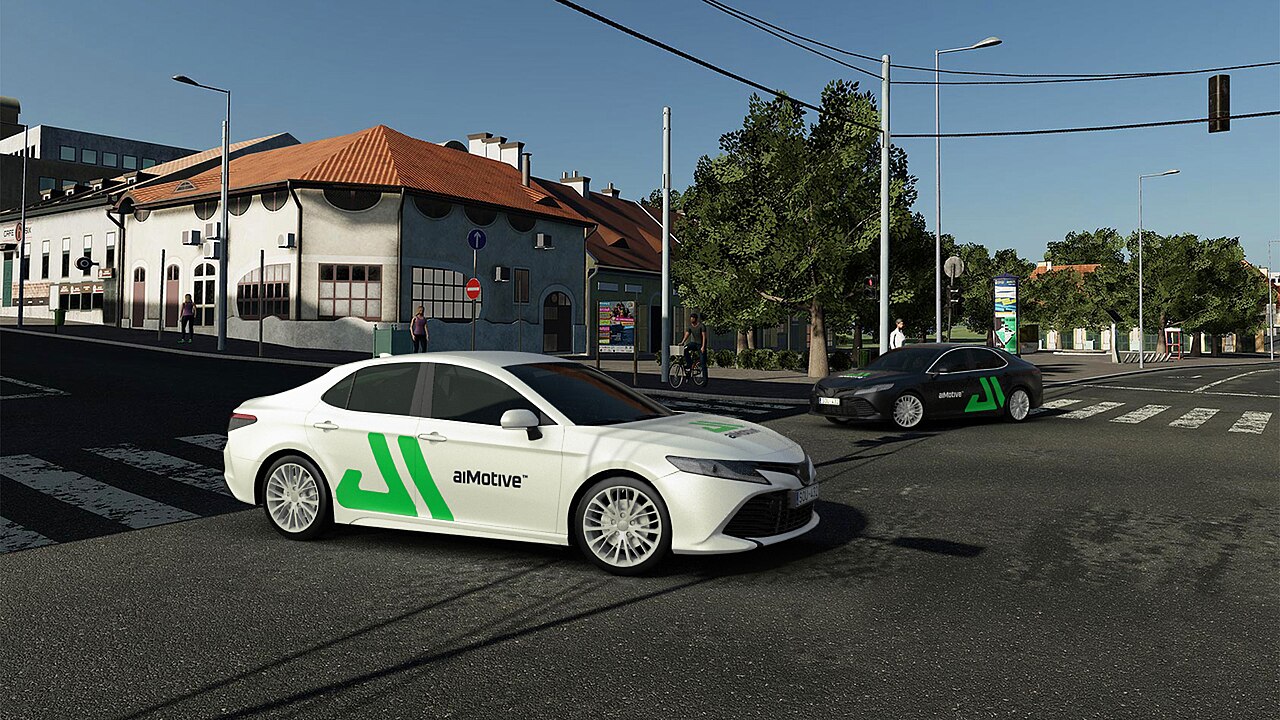
The initiative combines with aiMotive’s aiDrive software, an end-to-end AI stack that focuses on perception and driving intelligence. This permits a Level 2+ navigation-assisted driving without depending on HD maps—a use case that is becoming more appealing to OEMs leery of the regulatory and cost challenges associated with Level 3 autonomy. It features a multi-camera and multi-radar sensor suite capable of supporting highway and secondary road driving, detecting traffic lights, stopping at stop lines or crosswalks, slowing down to posted speed limits, helping with passing other cars and transitioning on- or off-road. With many automakers actively avoiding legal headaches and considering level 2+ as “almost as good as Level 3 but avoid legal headaches″, Shihao Fu of IDTechEx stating such automation solutions (he writes about HPC Lite) are increasingly matching with market trends.
The unified framework also directly copes with the problem of too many sensor data streams to handle. Safety-relevant inputs from radar, lidar and camera are fast-processed with a minimum amount of latency by means of automotive-grade Ethernet TSN protocols for prioritising important packets against non-critical traffic. To avoid bandwidth limitations, separate MIPI interfaces are provided for high resolution imaging, a trend which corresponds to upcoming standards such as the MIPI A-PHY protocol for reliable and robust in-car data transmission.
In-cabin, LG has prioritised an enhanced Human-Machine Interface which allows driviers to be informed without being distracted. With Hyundai’s digital cockpit, the instrument cluster and Center Information Display are combined into a single display for an unobstructed nice forward view. ADAS Confident View provides clear adaptive 2D/3D visualization of the road ahead. This design philosophy, grounded in human factors engineering principles of reducing cognitive load by presenting critical alerts and designing interface layouts that follow a driver’s natural behavior, guides the development of ALERT. The ergonomic organisation of the cockpit controls permits all relevant information to be accessed without having to take one’s eyes off the road.
The platform’s A.I. based interface also enables connected car services, including real-time route recommendations and even personalized lifestyle content such as promotions from preferred merchants. This contextualization of the driving experience is increasingly possible as everyone moves towards personalized mobility, where cars are adaptive digital companions.
For OEMs, HPC Lite means scalability and flexibility. Its centralized-compute architecture can accommodate mixed criticality workloads, thereby allowing for future upgrades with minimal hardware changes. It is all part of the transition in the industry to software-first development models within a digital twin environment, enabling automakers to validate combined ADAS and IVI systems earlier in their design process.
Scalability of the joint solution was highlighted by Gabor Pongracz, senior vice president and head of ADAS/AD Software at aiMotive: “Combining aiMotive’s AI-powered software with our technological strengths enables scalable, reliable and intelligent solutions for the future of driving.” Eun Seok-hyun, the president of LG’s Vehicle Solution Company called the launch as a turning point towards a new era that will “redefine the ride” as it follows from original HPC platform revealed at CES 2025.
Compiling the software London, UK and BUDAPEST, Hungary 11th November 2020 aiMotive, the automated driving technology company and leading company in developing scalable automated driving technologies for current and future generations today announced that the latest version of its aiDriveTM Lite HAS (Highly Automated System) designed in partnership with LG Electronics’ HAD division will be demonstrated at ARM Tech Symposia as a part of LG’s premium vehicle platform enabling automakers to give smarter, safer and more connected journeys without the operational implications or liability constraints associated with higher levels of autonomy.