NASA Chief Urges Faster Change After China’s Space Cooking Leap
This is a pizza slice in space that may not seem like a lot, but it represents bigger issues with NASA, according to NASA’s new administrator, Jared Isaacman. At a NASA town hall meeting held on December 19, the administrator reacted to a question related to China’s addition of an air fryer to its Tiangong space station by saying it was “an upgrade” and used it as an example of a bigger problem with NASA not adjusting to a new era.

China’s space station crew has not rested on its laurels regarding cooking appliances either. A dedicated oven has been installed at the Chinese space station, allowing the crew to cook a barbecue while in space, grilling chicken wings in only 28 minutes and cooking black-peppered steak. Social media posts varied from remarks about the amusing aspect to the appreciative reactions, with people realizing the Chinese astronauts have progressed far from the days when simple space paste was the norm for space station cuisine. China’s advancement in catering to the needs of astronauts, writes Isaacman, is not just about having better amenities, because all astronauts appreciate better amenities. There’s something to be said about having the better crew.
Crew comfort has become a definite operational issue. Studies related to long-duration spaceflight have found that issues regarding nutrition and personal space are a direct factor in mental health and performance outcomes. On board the ISS, solutions related to fresh fruits as a routine delivery system, LED lighting that regulates circadian rhythms, and even a Cupola that now provides a view of Earth have been vital in this aspect. For a Mars-scale mission, in cases where windows are impossible due to needed radiation protection, solutions related to Virtual Reality Nature Simulation or even Touch-sensitive surfaces are being considered.
NASA is already partnering with industry to revamp the food system for space. At a recent conference for the Johnson Space Center, more than 50 companies in the food industry and the space industry came together to discuss menu choices, packaging, and product delivery for future commercial stations. “The commercial food industry is the leader in how to produce safe and nutritious food for the consumer, and with knowledge passed on from NASA regarding the unique needs for space food safety and human health, this community is poised to support this new market of commercial low Earth orbit consumers,” said Kimberlee Prokhorov, deputy chief for the Human Systems Engineering and Integration Division at NASA. The goal is to let NASA do its own research for food systems for deep space while allowing for companies to fill the needs for low Earth orbit.
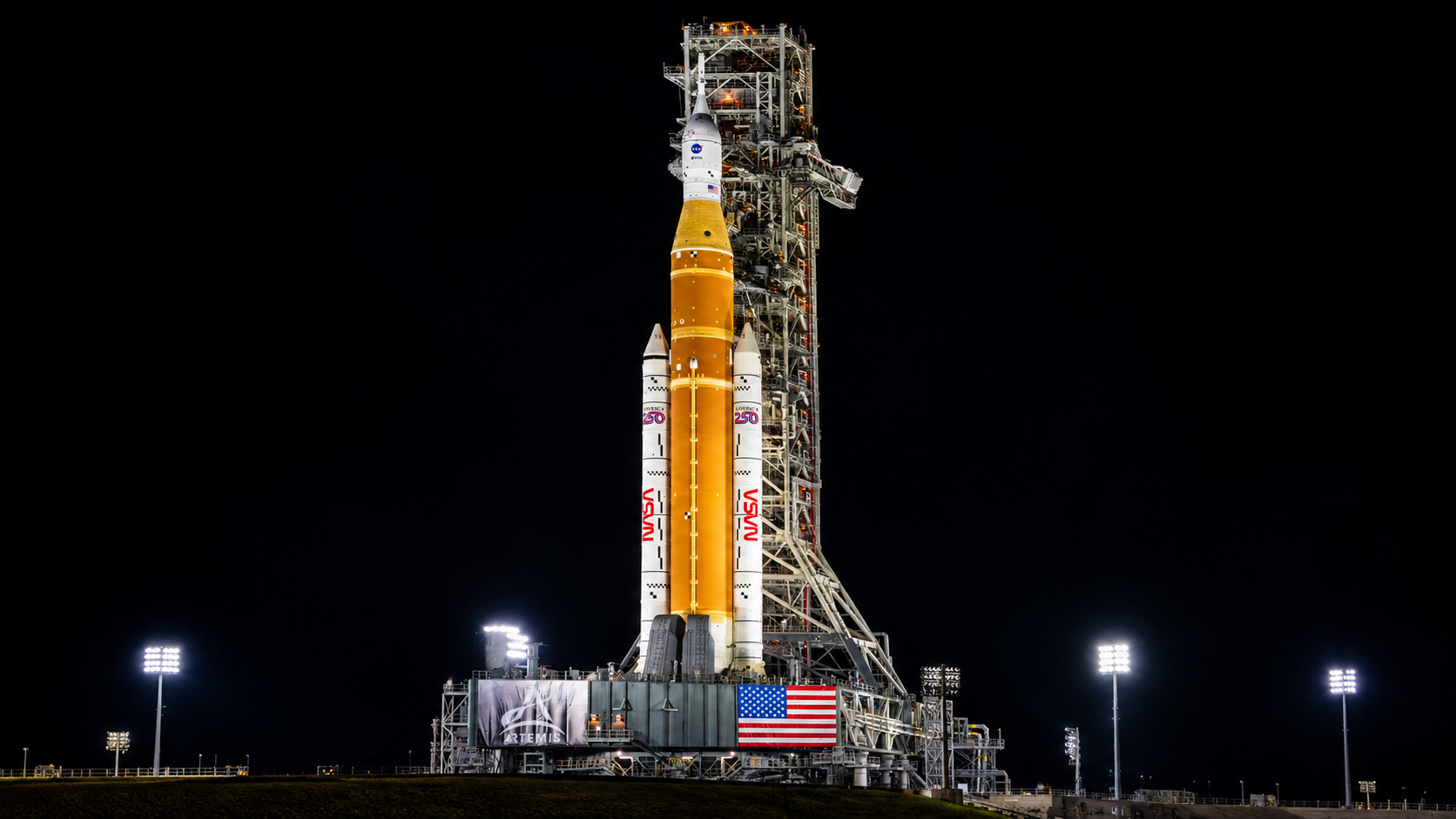
Isaacman has, however, outlined a long-term plan to encourage and speed along the timelines set by NASA, because of the rapid progress that China is making. He has cited the “absolutely impressive speeds” of China’s progress on some of these space initiatives and emphasized speedy timelines to avoid governmental bureaucracy and delays. Under Isaacman’s direction, Artemis II is expected as four astronauts embarking on a 10-day mission for a lunar fly-by, with Artemis III expected for a landing near the South Pole of the Moon, with President Trump’s recent executive order offering 2028 for the return to the Moon and 2030 for the establishment of a permanent base, as Isaacman aims to “pull forward the Artemis program to the limits that physics and safety afford.”
This plan relies heavily on commercial cooperation. SpaceX and Blue Origin are essential partners in NASA’s lunar plan, NASA Administrator Dava Newman said, and NASA continues to seek more opportunities for commercial partners. Also under the White House policy, NASA plans to start winding down the ISS program by the end of the decade in favor of the commercial facilities, and develop nuclear power propulsion systems for lunar and Mars missions. Nuclear power, Isaacman believes, “key to exploration beyond the moon.”
However, Isaacman observes that to achieve these visions, flexibility will be necessary. This can be realized through the FCC’s proposal to modernize space and earth stations licenses and establish a process called a “licensing assembly line.” Isaacman agrees with the urgency expressed through the above-mentioned proposal. This proposal will prevent delays that creep up with innovations and ensure that U.S. firms offer systems quickly.
For aerospace engineers, the coming together of the innovations of crew comfort, commercial provision, and rapid mission plans means that NASA is experiencing a change of heart regarding its operational approach. Isaacman’s comment on the space air fryer may have been humorous, but the message is clear: in the new space race, even the smallest details count if they contribute to the resilience, efficiency, and ability of humanity to thrive in space.