Musk Faces Final Hours to Deliver Austin’s First Unsupervised Tesla Robotaxi

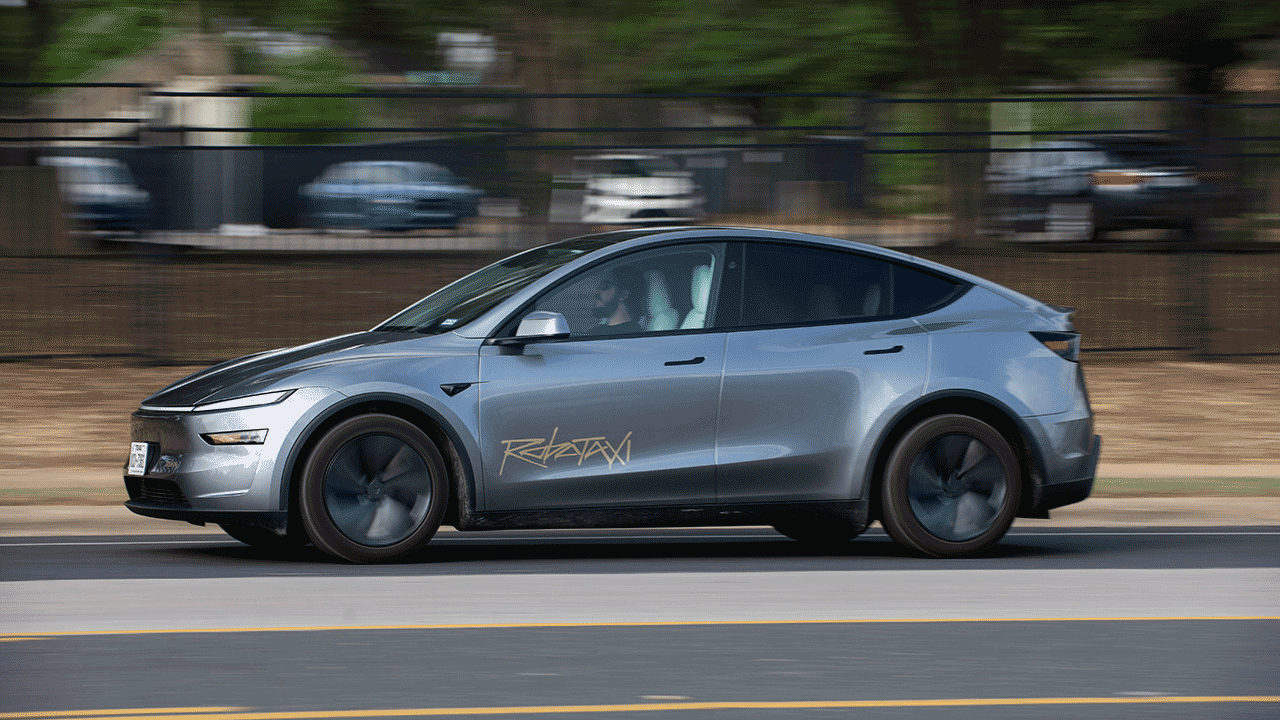
With Elon Musk’s self-imposed deadline running out, unsupervised Model Y robotaxi rides around Austin’s streets have become arguably the most audacious bet yet taken by Tesla. The date Musk attached to the debut finally arrived, bringing with it a swirl of investor anticipation, regulatory intrigue, and competitive pressure that could easily redefine Tesla’s trajectory in 2026.
1. The Deadline and the Stakes
One of the pledges most tracked by Musk is Tesla’s promise to offer unsupervised robotaxi rides before year’s end. The company recently expanded its ride-hailing test phase over the past weeks to 80 square miles across Austin. But even with some sightings of empty-driver-seat runs, the scale so far still seems extremely limited and it’s not certain if there will be a true public rollout before the deadline runs out. For investors, the milestone is more than symbolic; success could validate years of autonomy rhetoric, while failure risks deepening skepticism.
2. Regulatory Pathways in Texas
Its push into Texas has been aided by securing a new state permit to operate a transportation network company, allowing it to run ride-hailing services across the state. Still, the permit doesn’t classify the fleet as fully autonomous. Under Texas’ updated AV law, companies need to secure another DMV authorization for operations without a human driver, meeting extremely high thresholds on safety and compliance. This regulatory structuremore permissive than Californiahas made Austin a launchpad for AV services. Tesla still faces hurdles before scaling unsupervised operations.
3. Current Status of the Austin Fleet
Despite Musk’s pledge in October to put 500 robotaxis on the road in Austin by year-end, recent analyses peg the active fleet at closer to three dozen vehicles. Downtown wait times often surpass 20 minutes and rides remain restricted to the influencer class and brand ambassadors. And safety moderators still ride along on most trips -a sign the distance between Tesla’s marketing narrative and operational reality remains wide.
4. Technology and Hardware Constraints
Tesla’s Full Self-Driving suite uses vision-based AI and eschews lidar for camera systems. Patents filed in 2024 showed innovations to be made for complex navigation in cities; however, current AI4 hardware has not consistently returned unsupervised autonomy. The pushback of the AI5 chip to 2027 makes it questionable whether the Cybercab-designed without steering wheels or pedals-can satisfy all regulatory and safety requirements in time for its 2026 production start.
5. Competitive Pressure from Waymo and Others
Alphabet’s Waymo has already driven millions of fully driverless commercial miles, operating in several cities including Austin. The expansion to 90 square miles of coverage in the city outpaces Tesla’s coverage, with other rivals like Zoox also scaling. That ups the ante for Tesla to prove its capabilities, because for this market, market leaders lock up early adopter trust and regulatory goodwill early on.
6. Investor Sentiment and Stock Movements
Tesla’s stock is on a tear in the final stretch of 2025-to an all-time close of $489.88 after Musk confirmed driverless tests in Austin. Its market cap is now $1.63 trillion, putting Tesla as the seventh-most valuable publicly traded company. Analysts are still divided: Piper Sandler has a $500 target given the upside from autonomy, while Morgan Stanley and Goldman Sachs are more cautious due to risks tied to execution and softening EV demand. For ARK Invest, run by Cathie Wood, robotaxis could make up 88% of Tesla’s enterprise value by 2029 but that vision depends first on regulatory clearance and then scaling in production.
7. Texas as Testbed for AV Regulation
Texas’ centralized regulatory framework now limits municipal oversight, which can expedite the deployment of AVs but also puts added pressure on state agencies to make sure safety and compliance are adhered to. The new law requires the AVs to meet three main standards: traffic law adherence, minimal risk condition, and first responder interaction. Compliance with such requirements for Tesla is important not just in Austin but also regarding the wider ambition of offering robotaxis to half of the U.S. population.
8. Public Perception & Safety Data
Tesla reported 6.9 billion miles of supervised FSD data with safety performance better than human drivers. Still, incidents like the failure of a robotaxi to stop at a train crossing have brought NHTSA scrutiny. For consumers, apprehension remains extraordinarily high, with 66% of Americans reporting they fear AVs. Trust will need to be developed through transparency in reporting, gradual deployment strategies, and observable improvements in safety.
9. The Road Ahead for Cybercab Production
Tesla will begin manufacturing Cybercab in April 2026, betting that regulatory approvals keep pace with production. Musk believes that “the regulators will have just fewer and fewer reasons to say no” as accident statistics and competitor deployments smooth the path. But if those approvals are slow in coming, Tesla would risk ramping up a fleet that legally cannot operate unsupervised-a redesign with manual controls, Chairwoman Robyn Denholm acknowledges is possible. As the last hours of 2025 unwind, the intersection of technological readiness, regulatory clearance, and market confidence will determine whether Austin sees its first unsupervised Tesla robotaxi-and whether Musk’s autonomy narrative finally accelerates into reality or stalls in another year of promises deferred.