


Why the Air Force Is Rebuilding the F-22
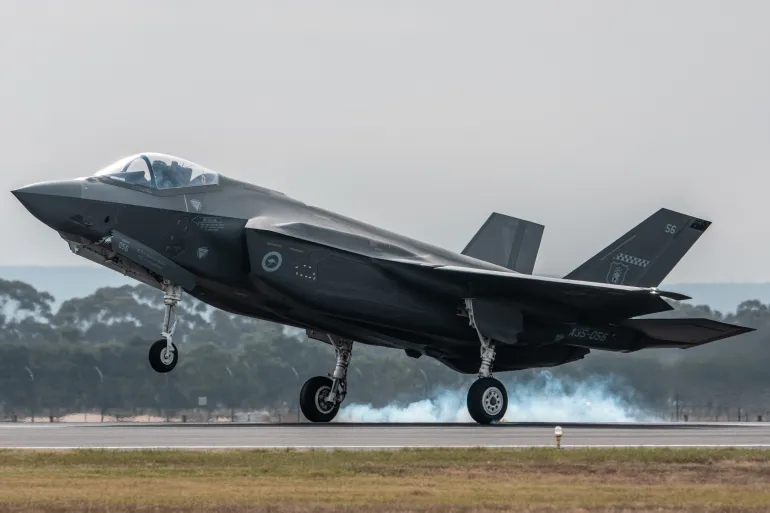
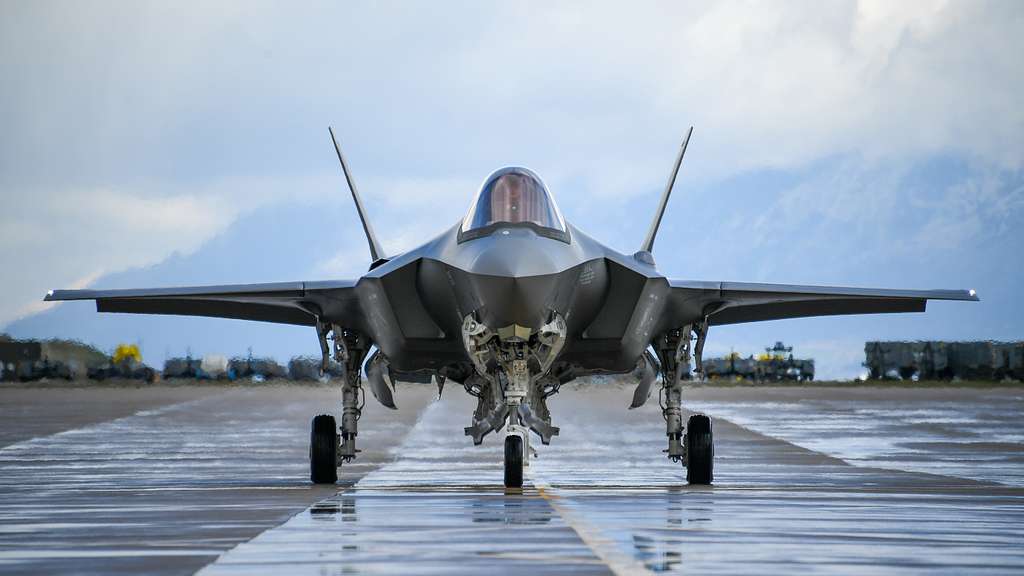
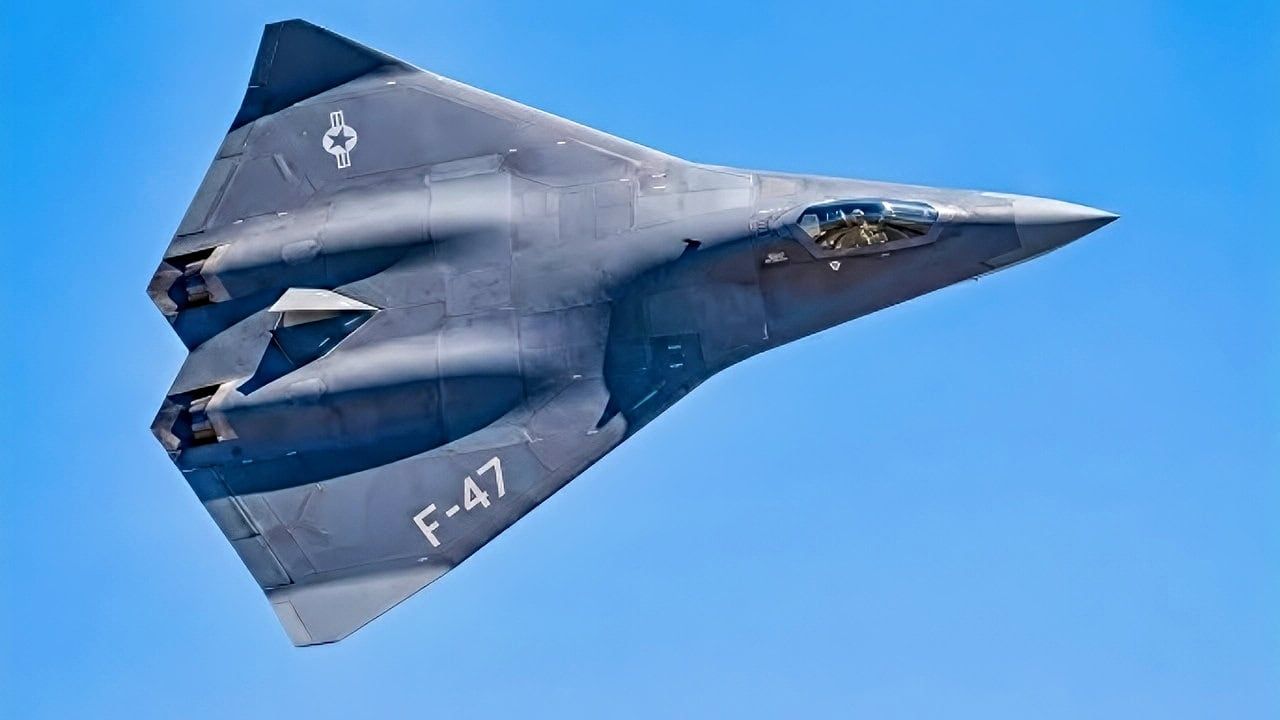
Why is the U.S. Air Force pouring new money into a fighter that first entered service two decades ago? It is because the F-22 is no longer considered a stopgap measure. Instead, it is being updated as a permanent air-to-air fighter, at least until the F-47 and the rest of the NGAD program continue on their longer road to full-scale production. This is less important as a purchasing problem than as a design problem. The Air Force is taking the Raptor and making it a bridge between the traditional fifth-gen stealth fighter and the sensor-centric air combat world of the 2030s.

The first part of this, of course, is the move towards stealth-shaped external fittings. The F-22 has always had a problem with range in order to maintain stealth capabilities. The new low drag tank project is meant to solve this problem. The Air Force’s own budget documentation discusses Low Drag Tanks and Pylons as a solution to the problem of range, maintaining stealth, and even going supersonic with tanks on board. This is a big change from the external tanks normally seen on traditional air fighters, which have always been an evil, but necessary evil. Range is only half the story.
The other important change is the incorporation of the passive sensors. The underwing pods, which are tied into the infrared search and track capability, allow the Raptor to find and track targets without sending up a radar signal. That’s not a luxury in an environment that’s heavily impacted by electronic warfare, emissions control, and more air defenses. As the FY2026 budget for the Air Force states, the improvement to the sensors is to ensure the F-22 retains its first look, first shot, and first defeat capability for 142 F-22 Block 30/35 aircraft. The Air Force has also stated that the initial production phase for the sensors is already underway, with the first being delivered later in the decade. The defensive capabilities of the F-22 are also being improved.
As Lockheed announced in January 2025, it has been awarded a contract to add Infrared Defensive System sensors to the F-22. As the article states, the idea is to enhance the detection of threats heading the F-22’s way through distributed infrared sensors. It’s a new level of survivability for the original Raptor design. At the same time, the Air Force has awarded a contract for the development of a new “viability” package, which includes low observables, vehicle pilot interface changes, countermeasures, electronic warfare improvements, mission software, and helmet upgrades.
This is where the modernization of the F-22 really comes in. The Raptor is not simply being kept alive; rather, it is being made relevant in a world in which shared sensing, modularity, and manned unmanned teaming are becoming more common. Even the upgrades in the sensors are not simply about the F-22. In fact, in 2024, the Air Force contracted RTX a $1 billion contract to update the sensors on the F-22. It is part of a larger campaign of investments in the Raptor, which also feeds technology lessons into NGAD. The result is a fighter that remains unique in its role. It is not a multirole air-to-ground fighter like the F-35; rather, it is an air dominance fighter being forced to learn new tricks.
This is why the Raptor’s future remains ahead of it. The head of Air Combat Command, Gen. Kenneth Wilsbach, was quoted in 2024 as telling reporters, “Right now, there’s…frankly isn’t an F-22 replacement and the F-22 is a fantastic aircraft.” This doesn’t sound like an opinion so much as a list of requirements. Until the F-47 arrives in numbers, the Air Force seems to have found a different answer to the problem of the capability gap – making the old apex fighter harder to find, harder to hit, and harder to outgun.

.jpg)