Why the U-2 Spy Plane Still Needs a New Radar Shield
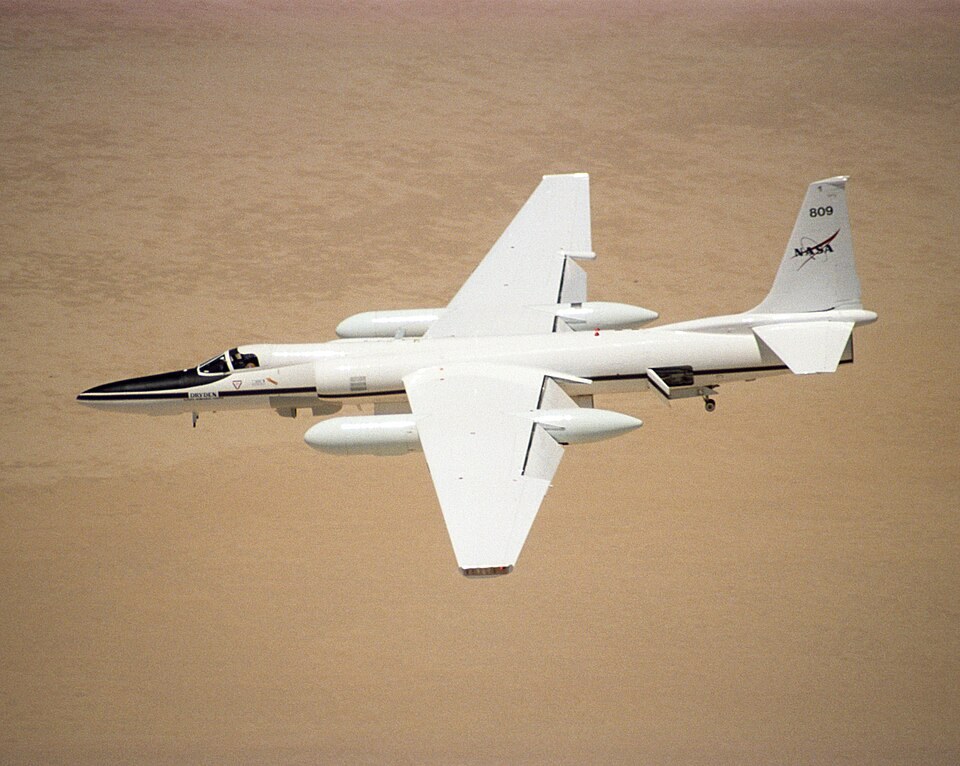
At altitudes above 70,000 feet, the U-2 still flies in an air space that, until recently, seemed almost untouchable. The problem is that altitude is no longer a guarantee of safety. The latest work done on the Dragon Lady by the Air Force has been to come to terms with the reality of the situation. BAE Systems has been awarded a contract to sustain and enhance the AN/ALQ-221 Advanced Defensive System, an electronic warfare system that provides U-2 radar detection capabilities. From a U-2 perspective, perhaps the work being done on the U-2 is not so much to extend the legend of the U-2 for nostalgic reasons, but to keep the U-2, a unique piece of Air Force technology, relevant in today’s world of radar technology, digital tracking technology, and electronic warfare.

The U-2 is a unique piece of technology even by today’s standards. It is the highest flying piece of Air Force reconnaissance technology, sporting a ceiling over 70,000 feet. It is relevant because it fills a niche between satellites and unmanned drones. Satellites provide surveillance capabilities, but they also provide predictable orbiting capabilities. The drones can stay aloft for a long time, but they do not have the payload capacity of the U-2. It is not surprising that this design still remains relevant, even after attempts to decommission this platform.
The longevity of this U-2 can be attributed to something not quite so glamorous as the looks. It is the architecture. Lockheed and the Air Force have taken several years to make this U-2 what it is today. It is the platform with the open architecture, the improved mission computers, improved cockpit displays, and space for sensors that were never available when this platform first took flight. The first flight in September 2023 validated this new batch of avionics and communications upgrades, continuing the trend that this Dragon Lady will always be able to adapt to new technology faster than many other aircraft.
This is important, however, because this defensive problem is different. The AN/ALQ-221 is not merely a warning system for the pilot. It is a system of self-protection, able to detect enemy emitters, identify radar threats, and aid in electronic countermeasures, while still focused on the mission of gathering imagery and signals intelligence. Altitude is not necessarily an indication of sanctuary, however, especially for a platform designed to work in areas of the world where wide area surveillance is most critical, and where this platform is most likely to encounter areas most heavily monitored.
Of course, there is also the systems level story to the upgrade. Indeed, the U-2 has come to be seen not only as a collector, but as a high-altitude node in the network. Previous efforts to modernize the U-2 have seen it integrated into the Air Force’s vision for the distributed battle management network. The space in the fuselage and the electrical capacity to support it have allowed this to be done decades after the U-2 first took to the skies. Indeed, as the officials at Lockheed point out, some U-2S aircraft have as much as 80 percent of their life remaining in them.
“The future of the Dragon Lady has never been simple.” But the reason for the preservation in this particular upgrade is obvious. The Air Force is not preserving a U-2 as a museum piece with a flight schedule. The Air Force is preserving altitude, payload flexibility, and electronic capability, and making sure the U-2 will have sufficient warning time to stay in the fight and get its intelligence home.