NASA’s Moon Landing Confidence Now Hinges on One Hard Part
The challenge of landing astronauts on the moon is no longer the far-off aspect of the Artemis program. In the wake of Artemis II taking a crew around the moon and back, Commander Reid Wiseman summed up what his spacecraft had accomplished with unusually concrete language. While Orion performed well and comfortably accommodated its crew, Wiseman emphasized that the next step in the program is far more certain than many think. As he said: It’s not the leap that I thought it was and that it’s absolutely doable and it’s doable soon.

This confidence is significant insofar as Artemis has evolved from a purely demonstration mission to prove that astronauts could operate beyond Earth orbit. Now, Artemis aims at a systematic expansion into the moon with the next mission scheduled for early 2028. Artemis II confirmed NASA’s approach to operating in deep space and demonstrated the capabilities of the spacecraft: the ability to operate safely and effectively in space and perform necessary functions while working within the Orion module over a prolonged period of time. Orion itself benefits from the support of ESA’s European Service Module, which powers the spacecraft and supplies the essential functions such as electricity and propulsion during the outbound phase of the flight.
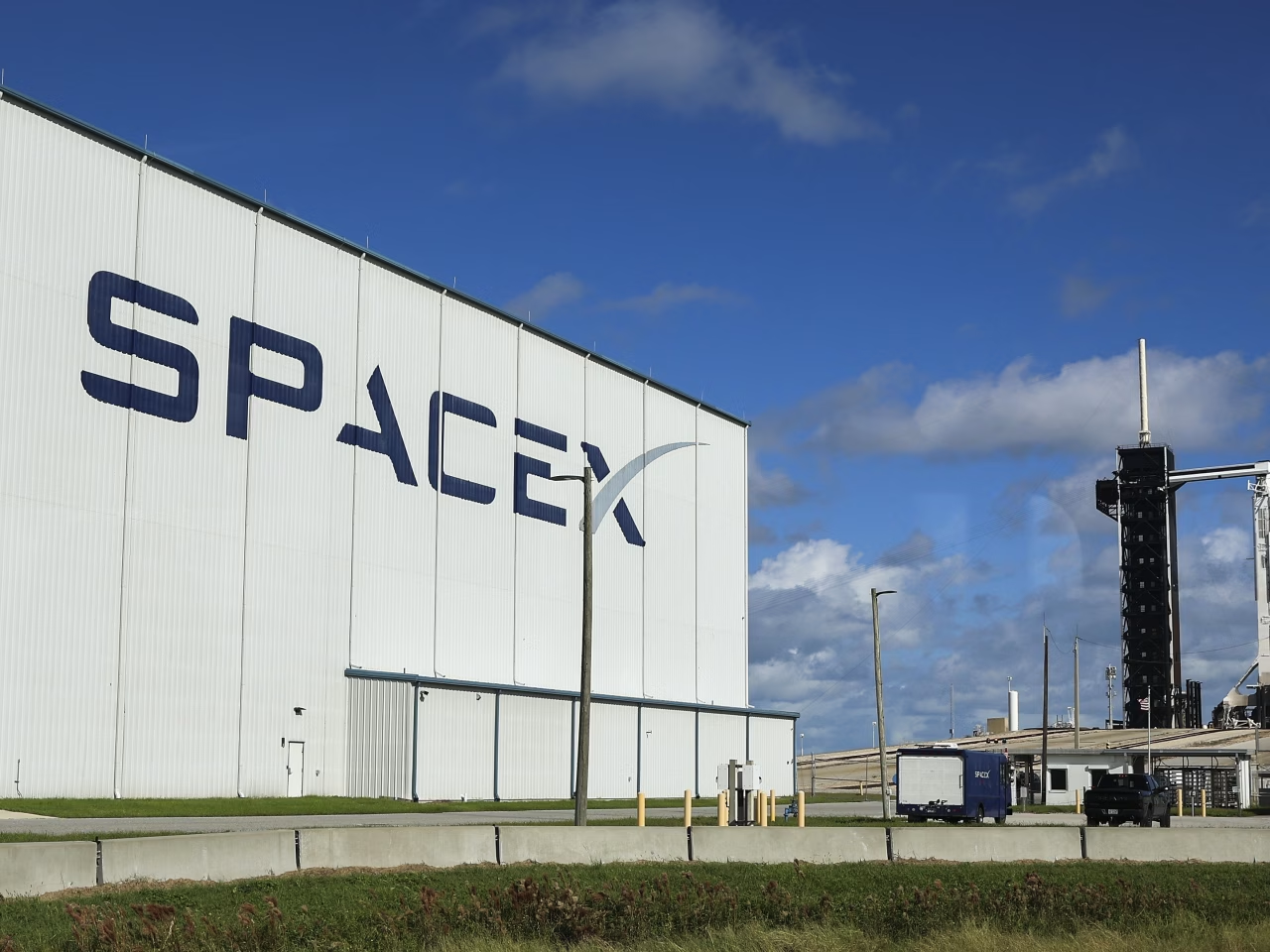
But the challenge faced by Artemis is more than just putting together the spacecraft and launching it into deep space. Once again, the Artemis architecture makes the next steps more complicated. To reach the surface, NASA relies on a commercial Human Landing System based on SpaceX’s Starship. This design requires a separate launch vehicle and a series of additional steps: refueling Starship HLS in Earth orbit, filling it with cryogenic propellant and performing a string of test launches, after which only then the HLS would make its way to the moon. This means a great deal of preparatory work because under NASA’s current scheme, Orion will put astronauts only into distant lunar orbit. It is the Starship HLS that will be responsible for the last leg of the journey with a risky descent and ascent from the surface.
And indeed, NASA’s plans have already been revised to accommodate this challenge. Artemis III is now set as the test mission of the HLS in Earth orbit with the first landing attempt moved to Artemis IV. This revision tells a lot about where the program stands now. In fact, Artemis shows clear signs that the stack has reached a different level of maturity with manned deep-space missions moving ahead of lunar landing preparations.
Even then, the momentum that Artemis has gained goes beyond individual components and vehicles. For instance, NASA now standardizes its SLS missions, works on establishing lunar surface infrastructure and uses commercial HLSs, suits and mobility equipment to transform the flag-and-footprint return into a systematic program. The mission’s achievements include scientific data collected about deep-space effects on crews, including the observations made on the moon fly-by portion of the flight relevant to future missions to explore the moon’s southern pole. All in all, Wiseman’s comments capture the changing dynamics of the mission. The moon is no longer just a target in the Artemis program, but rather an integration problem to solve. The flight around the moon has demonstrated that one half of the equation is in place. All that remains is to see if the other half can catch up.