Why the Air Force Still Needs the F-15EX Beside Stealth Jets
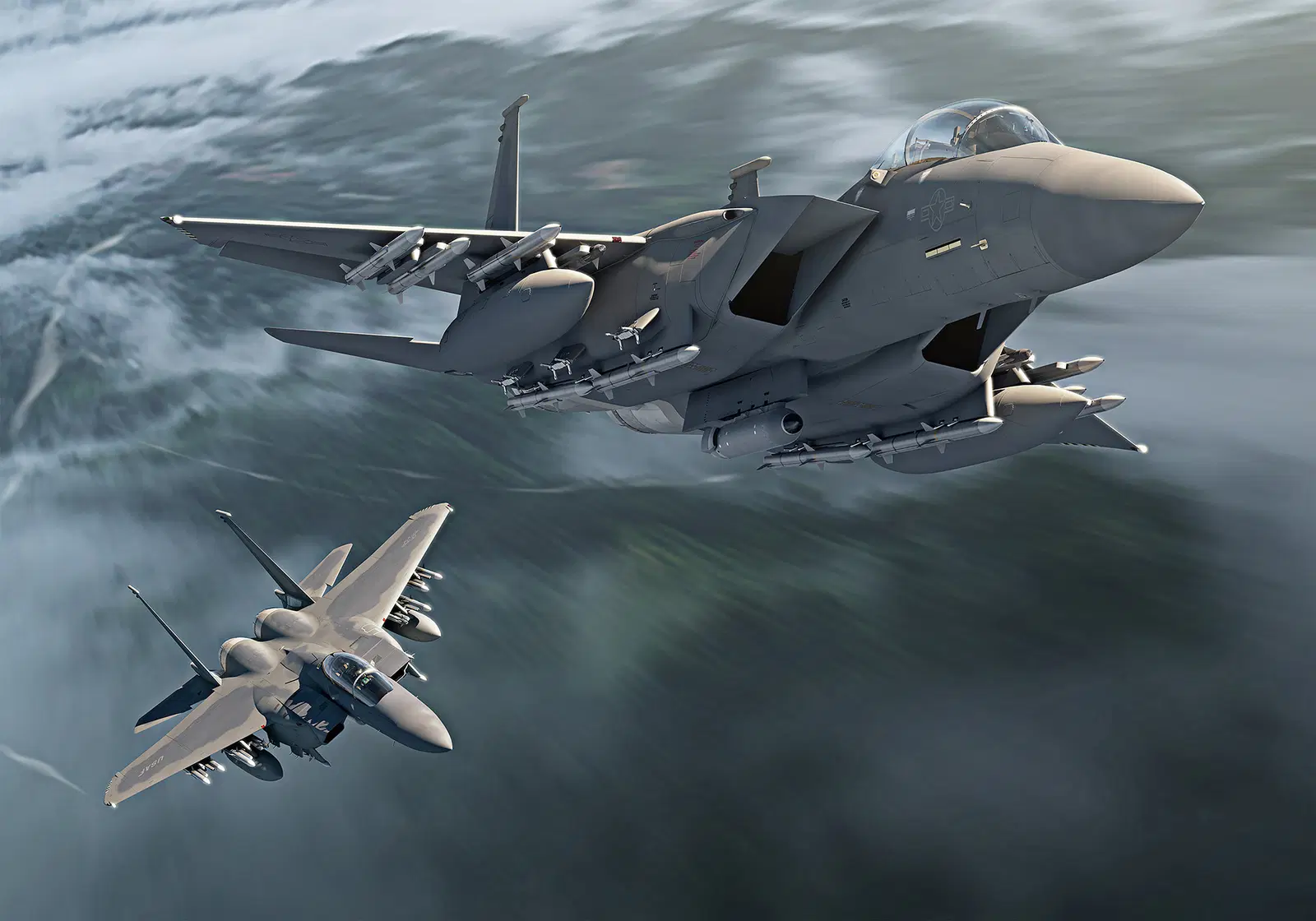
A modern war will demand volume as much as it will precision. This statement has been used to refer to the F-15EX Eagle II, and it explains why one of the most significant aircraft to enter the inventory of the US Air Force recently is also one of the least fashionable. Firstly, the fighter jet does not represent any stealth capability.

However, this particular disadvantage is not important since the value of the plane comes from solving a completely different set of challenges. For example, it is necessary to replace the outdated F-15C airframes promptly, carry out a larger amount of weaponry than can be carried by stealth aircraft internally, and perform this task using a system familiar to Air Force staff.
Secondly, there were no ambitious plans involved in the creation of the F-15EX. There were too many F-15C planes close to the end of their operational life, while starting a production of a new model of a similar fighter or opening an assembly line to restart production of F-22s would require too many years for the Air Force to wait. Therefore, it was decided to introduce a new build Eagle with digital avionics, fly by wire controls, modern sensors, and an increased level of survivability achieved by installing the advanced EPAWSS electronic warfare system on board. All in all, this is not a retrograde solution but a heavy aircraft designed for network enabled air warfare.
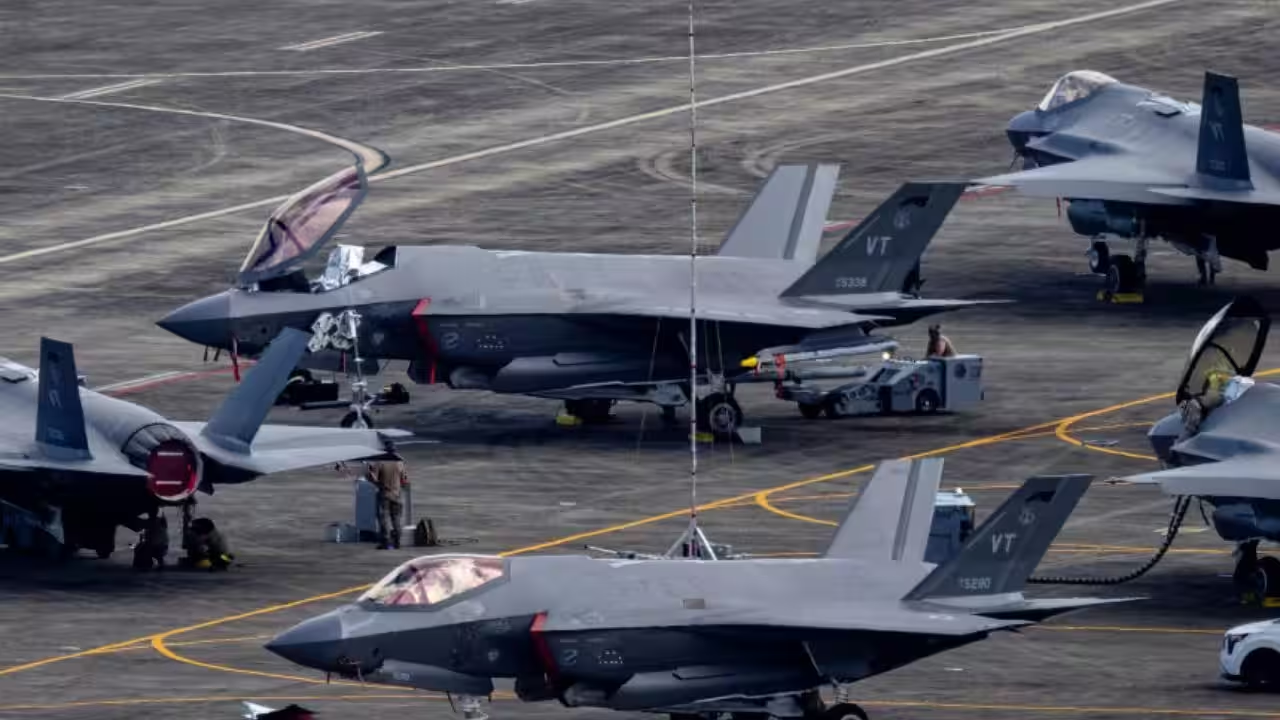
In essence, this type of plane possesses two key advantages. First, it can provide magazine depth to an extent impossible to achieve for stealth planes without significantly compromising their main advantage reduced observability. F-35 and F-22 are supposed to gain access to a potentially hostile area, detect threats, and survive inside. The F-15EX has to remain on the periphery, receive targeting information, and strike using massive salvos of stand off weapons. This division of responsibilities is becoming more important for the development of airpower concepts where stealth platforms create opportunities for the use of more powerful and more resilient fighters that conduct volume strikes at standoff ranges.
The ability to integrate additional electronics and sensors can also make the aircraft more relevant. For instance, Raytheon has outlined a GaN-based APG-82(V)X radar intended to improve range, tracking speed, and electronic warfare performance. The F-15EX will benefit from it because of having sufficient space available for the installation of new hardware and equipment. In addition, such large airframes are always advantageous when considering cooling capabilities and energy supply.
What makes the plane so effective can be explained also by what it does not attempt to do. A couple of years ago, Boeing tested a stealth version of the F-15 fighter, but reports revealed that it failed to achieve a decent radar signature even after several modifications. Some publications indicated that the radar cross section of that experimental airplane was about five times larger than that of an F/A-18 Super Hornet. Therefore, the message learned by the company is clear it should not focus on stealth features but continue developing this model to address other issues.
As a result, the F-15EX is quite appropriate for homeland defense operations or air sovereignty missions. Indeed, it became part of the Oregon Air National Guard, which seems to be the most logical way to start its operation since it is likely that it would operate in alert mode and leave F-35s and F-22s for more challenging missions.