Why the Navy’s F-35C Changed What Fighter Pilots Actually Do
What used to be essential for qualification requirements, such as… skills that, I think, can probably be cut back some because the work becomes routine after a while, said Lt. Cmdr. Daniel Kitts during preliminary Navy carrier trials of the F-35C. Just this one phrase captures the essence of the difference between the F-35C carrier version and previous generations of fighters. Indeed, the aircraft takes off from a naval vessel, lands on a deck that moves wildly underneath, and requires a pilot to put a stealth aircraft into one of the most unforgiving environments ever encountered in aviation. However, what has changed is the demands placed on the pilot once they climb into the cockpit. With the introduction of the F-35C, the constant need to manually correct course is no longer central to the job.

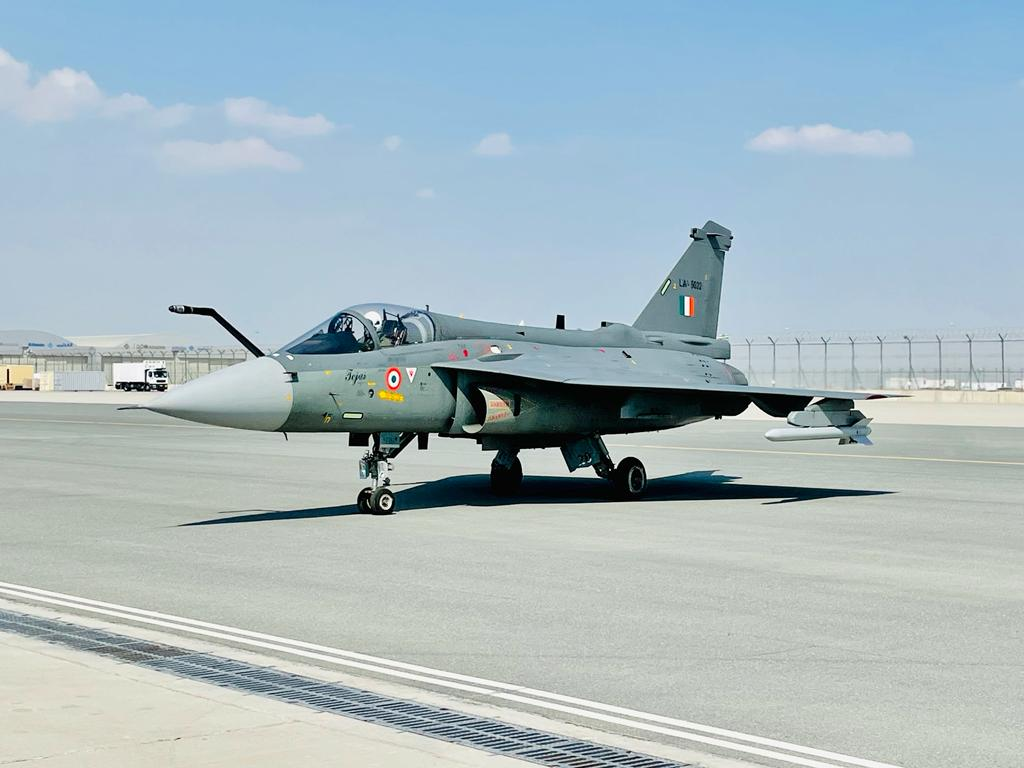
This is precisely what the F-35C was designed for. As the naval version of the Joint Strike Fighter, the F-35C incorporates the enlarged wings, upgraded landing gear, and tailhook of an arrested recovery naval aircraft while maintaining the focus on stealth found in the broader family of jets. Furthermore, the fully electronic fly by wire controls of the aircraft keep it within safe angle of attack and load limits while also providing the pilot with stable aircraft handling. This is particularly relevant in a carrier landing cycle, in which approach speed, proper lineup, descent rate, and the motions of the ship all combine to make for challenging work.
However, the technology that highlights the character of the F-35C is undoubtedly its landing logic. In particular, the Delta Flight Path and Integrated Direct Lift Control systems allow the aircraft to overcome what is perhaps the most complex part of carrier flight operations. Rather than being required to continually manipulate the throttle and pitch control surfaces, the aircraft makes adjustments through changes to its large trailing edge flaps. During approach, the aircraft was intended to be an automatic throttling aircraft with the pilot controlling alignment. According to Navy testing of the aircraft, the reduction in the amount of effort needed led to a proposal to reduce the repetition in training runs for carrier qualification from 16 to 18 approaches down to four to six.
That being said, automation has yet to eliminate the risks inherent in carrier landing. Arrested landings mean bringing the plane down on a moving deck at a speed of around 155 mph before the hook grabs and stops a fighter weighing 31,800 kilograms in approximately 320 feet. At the same time, a pitching, rolling, and yawing ship would see the ship’s stern bouncing up and down up to 20 feet in extreme conditions. Pilots continue to expect the possibility of a bolter where the hook fails to engage and the aircraft must take off again. In this way, the F-35C has not done away with risks, instead shifting the pilot’s focus from manual adjustments to monitoring the operation of the aircraft.
Indeed, that attitude permeates all areas of the aircraft. From its panoramic cockpit displays to its helmet cueing systems, sensor fusion, and internal weapon carriage, the F-35C represents the development of a fighter around stealth, survivability, data processing, and precision handling. With a single F135 engine providing 43,000 pounds of thrust, the F-35C does not lack in speed or performance. What sets it apart, however, is its ability to provide all three elements in one package. This results in an aircraft capable of performing a mission with great efficiency while also relying on the pilot to serve more as a mission commander in the battlefield network.