Satellite Burn-Up Pollution Is Turning Space Growth Into Climate Engineering
Out of nowhere, satellites begin handling everyday tasks soon after, the sky begins to shift. Not planned. Just slow movement adding up. Little changes stack, invisible early on. A single rocket sets off more rockets, each one following the last. Dust, then bits of broken things, start bending the light from the sun. Nobody planned for it to turn out like this. The results move through places without warning first. Choices taken high up change how people live much farther down. Small moves set off wide ripples. One thing leads on, slipping past any grip.

Deep within growing warnings from researchers, this problem hits hardest. Fresh warnings challenge long-held beliefs about adjusting the climate, while pointing to machines running unseen spacecraft leaving trails of tiny particles far above, devices designed to burn away after use. Every launch might alter some portion of sunlight heading toward Earth’s surface. A few specialists agree, arguing such missions resemble methods to reduce solar exposure but operate with no public approval. Where rocket routes pass through delicate zones, subtle effects take shape interventions unfolding without consent. Far above ordinary sight, activity proceeds where rules have yet to reach.
Even though ideas about solar geoengineering have floated around for years, most talk has stayed behind closed doors, not out in the field. A well-known example comes from Harvard’s SCoPEx project a concept built around sending up a balloon to release small quantities of material, ranging from 100 grams to 2 kilograms, into the upper atmosphere just to observe light reactions. Not intended as a fix for climate change, it leaned more on exploration, but despite plans, no such trial took place outside. Attention grew anyway. Scientists knew too well that scattering reflective particles could cool surface temps while quietly risking shifts in ozone patterns, layer-to-layer airflow, and regional storm cycles.
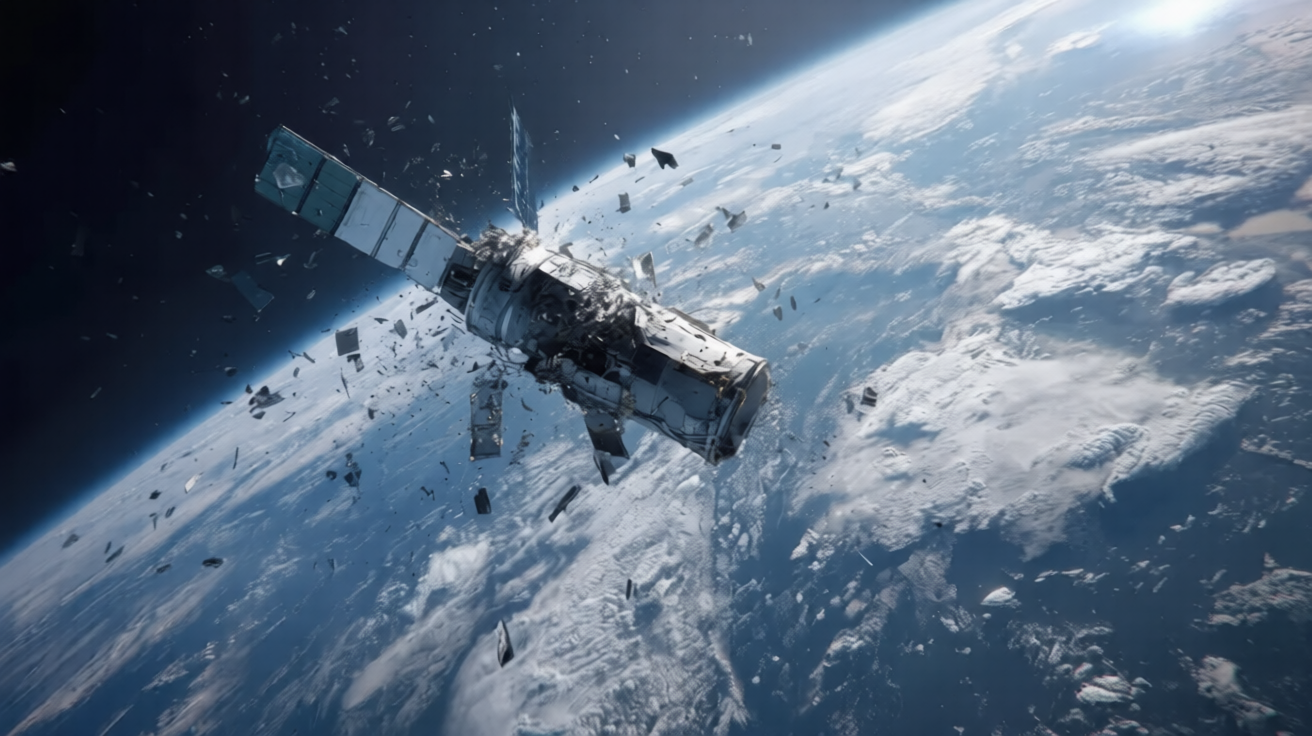
Among the stars, old problems reappear just reshaped. Blocking sunlight isn’t the aim. Yet smoke rising could feel strangely known. In the end, it’s scale that trips things up. Up beyond the air we breathe, newer satellites quickly swap out older models each lasting only briefly, then tumbling earthward, cracking open, catching fire, leaving trails of shattered metal behind. Launched so far upward, the shadowy residue from their trips lingers far more than fumes belched by vehicles on roads. Recent checks into figures noted before suggest debris from dying satellites may soon claim a bigger slice of space industry heat effects in mere years. Rocket plumes all by themselves, tallied across time, might weigh in like exhaust from every car in some nations.
Spray floating upward changes everything suddenly it is less about charts and more about what hangs above. When tiny bright specks fly beyond the everyday blue, perhaps six to twenty kilometers high, sunlight might be turned away before reaching down. Back in 1991, Pinatubo erupted, showing without plans or warnings that cooling can happen once gases fill higher zones. Using chaos on purpose? That kind of move rarely goes smoothly. A study pulled from Scientific Reports in 2025 points out details: altitude chosen, place targeted, season picked, hands guiding release every choice shifts how long droplets stay aloft, whether storms shift patterns, if shields around Earth take damage. Changing sunlight on purpose is tough.
Rocket launches happen often, yet their effects surprise us more. Not much makes sense there. That is why the phrase used by University College London atmospheric chemist Eloise Marais stands out: “The space industry pollution is like a small-scale, unregulated geoengineering experiment that could have many unintended and serious environmental consequences.”
Out there, it’s not some balanced dance of floating bits that grabs attention. Broken spacecraft don’t steer the sky the way organized actions might suggest. Factories change the planet even when they’re not trying to touch wind or rain. Light from the sun bends a little more now, the ozone layer breathes differently, things hang around longer than before all of it stirs slow and quiet. Now it’s tougher to tell trash from transformation. Rocket watchers once shrugged at launch smoke, junk orbits those old excuses won’t stick today. What felt like background noise starts showing teeth. Something lingers, half-seen, waiting its turn.