Motorola’s $1.5 Billion Drone Defense Bet Targets a Security Gap
Airspace used to be the part of a security plan that stayed politely out of frame. Motorola Solutions’ planned $1.5 billion acquisition of D-Fend Solutions points to a larger shift in how public safety agencies, infrastructure operators, and venue security teams are thinking about drones. The commercial drone boom created obvious opportunities in inspection, imaging, and logistics, but it also opened a low-altitude vulnerability that fences, cameras, and access gates were never built to handle. What once looked like a specialized defense niche is moving toward routine security infrastructure.
D-Fend’s appeal is not simply growth, although Motorola said the Israeli company expects about $185 million in revenue for 2026 after years of strong expansion. The more important factor is technical fit. Counter-drone systems typically follow a chain of detection, tracking, identification, and mitigation, combining sensors and software to decide whether an aircraft is authorized, where it came from, and what response is legally and operationally appropriate. In practice, the hardest part is not spotting an object in the sky. It is distinguishing a legitimate flight from a threat and responding without causing a second problem on the ground.
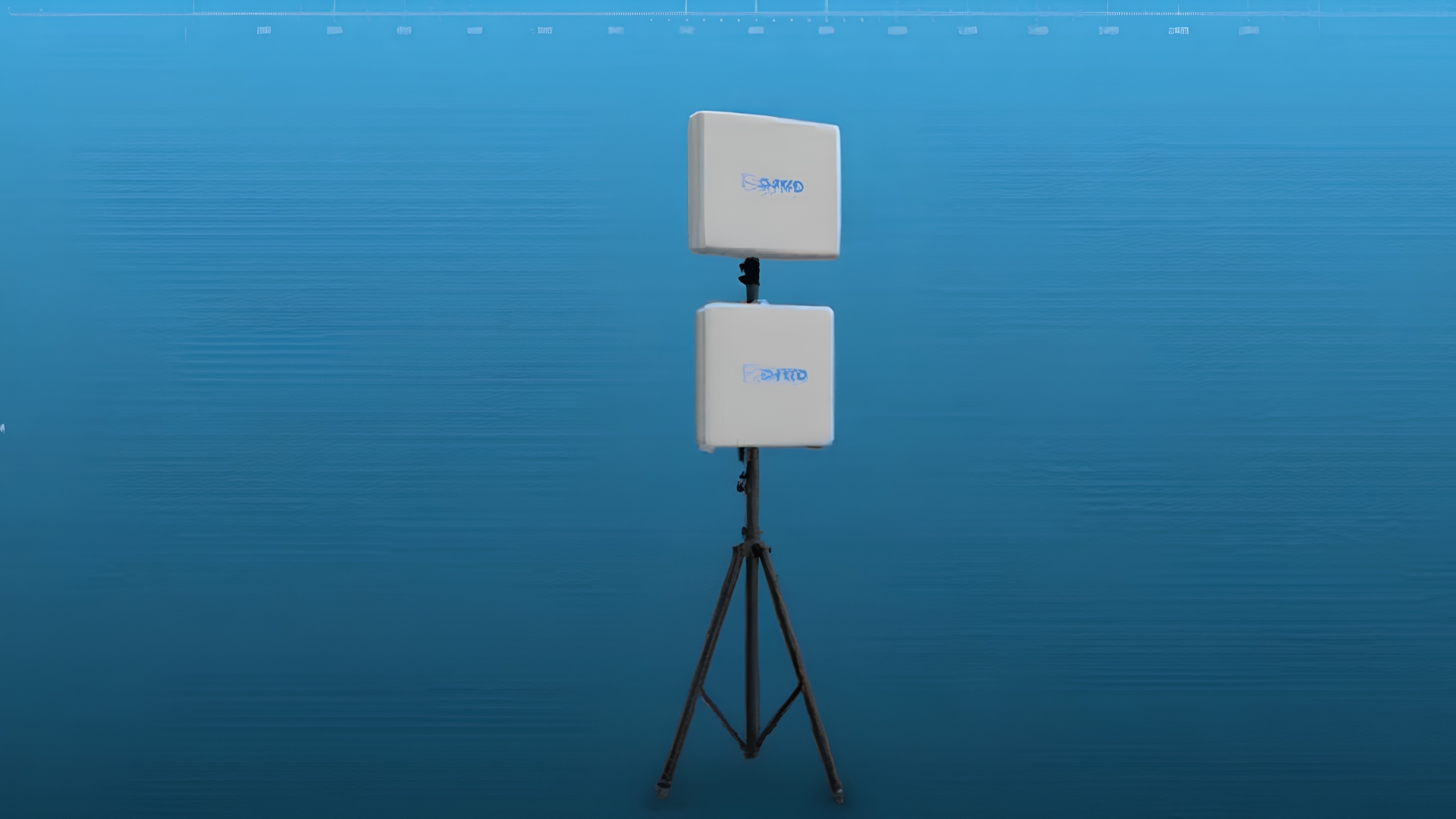
That is where D-Fend’s non-kinetic approach matters. Rather than relying on physical interceptors or broad jamming that can affect nearby communications, the company focuses on RF cyber techniques designed to take control of a rogue drone’s link and guide it to a safe landing. That places it in a narrower category than systems built around brute-force disruption. It also aligns with a market that increasingly wants mitigation tools that can work near crowded venues, transportation hubs, and sensitive facilities without shutting down surrounding networks.
The wider counter-UAS sector has been moving in the same direction. Modern platforms often combine radar, RF, acoustic, and optical sensors into a single command layer, because no single sensor performs well in every environment. RF detection is especially valuable in cities, where it can help identify drones that do not reliably broadcast location data and improve overall airspace awareness. In urban settings, RF sensing supports uncrewed traffic management as well as security, giving authorities a way to separate approved operations from intrusions in increasingly busy low-altitude corridors. That makes counter-drone technology part of a broader airspace management problem, not just a response tool for emergencies.
Motorola already sells the surrounding architecture: radio networks, command-center software, video systems, and emergency-response platforms. Folding drone defense into that stack is a practical move because counter-UAS technology is most useful when alerts, video verification, workflow, and response decisions live in one system. The industry has steadily shifted toward sensor-agnostic command-and-control software for exactly that reason.
The timing also matters. In the US, the Safer Skies Act inside the FY 2026 National Defense Authorization Act expanded authority for trained and certified state and local agencies to detect, track, and in some cases mitigate threatening drones. That changes the addressable market, but it also changes expectations. Detection alone is no longer the full product. Public safety buyers increasingly want a system that can classify what is flying, connect that information to existing operations, and respond with minimal disruption. Motorola is not buying into the drone business as much as the business of airspace control. That distinction says a great deal about where public safety technology is heading next.