


Why Patriot Production Still Trails Demand After Expansion Plans
Patriot interceptor production is being pushed higher, but the limiting factor is not simply how fast one factory can assemble finished missiles. The harder problem is that the program depends on a long chain of specialized suppliers, older electronic parts, and a few critical components that cannot be expanded overnight.

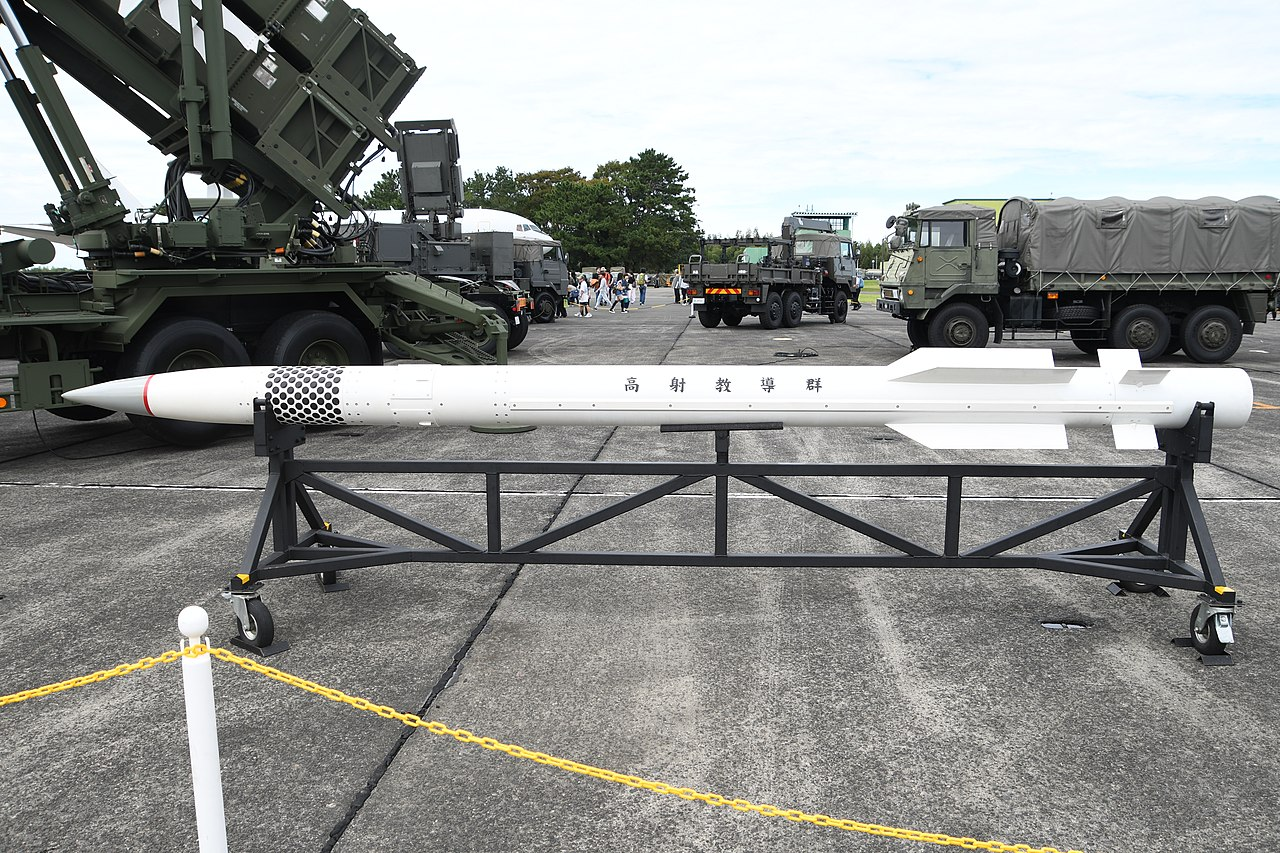
That helps explain why output can remain tight even after the Pentagon and Lockheed Martin agreed to significantly increase production of the PAC-3 MSE, the latest Patriot interceptor model. The target is about 2,000 missiles a year, but Lockheed does not expect to reach that rate until the end of the decade. In other words, the demand signal has changed faster than the industrial system behind it.
The lead time shows the scale of the issue. A new Patriot interceptor can take more than two years to move from factory production to military stockpiles. For readers used to consumer manufacturing, that sounds unusually slow. In defense production, though, it reflects a system built around tightly qualified parts, limited tooling, and suppliers that often serve several programs at once.
That last point matters most. Lockheed works with more than 400 suppliers on Patriot production. Many of those companies also provide components for other military systems, so any attempt to speed up Patriot output can create competition for the same labor, materials, test capacity, and machine time elsewhere in the defense industrial base. Final assembly may be visible, but throughput is usually set by the slowest indispensable sub-tier supplier.
One of the clearest examples is electronics. Some internal systems still rely on older technology that is no longer widely produced. When a design depends on legacy components, manufacturers cannot just call a broad commercial market and place bigger orders. They may need specialized equipment, and some of that equipment must be sourced from overseas suppliers. That adds delay, reduces flexibility, and makes capacity expansion more of an industrial engineering problem than a budgeting exercise.
Another chokepoint is the seeker in the missile’s nose section, the part that helps the interceptor find and track incoming targets. That seeker is currently produced at a single Boeing facility. From a manufacturing standpoint, that is a classic single-site bottleneck. Even if every downstream operation is ready to run faster, production still caps out if one precision subsystem cannot keep pace.
Boeing says it has added more robotic equipment and expanded its supplier network to increase seeker production. That is a practical move because robotics can improve repeatability and raise output on complex subassemblies without relying entirely on scarce skilled labor growth. But automation helps only if incoming parts, test processes, and qualified operators scale at the same time. In missile production, a robot cell is not a magic fix if inspection stations or upstream electronics remain constrained.
The same logic applies to propulsion. L3Harris, which provides rocket motors for the missile, is working to expand manufacturing capacity. That sounds straightforward until you look at what motor production really involves: cases, igniters, valves, throttles, and all the supporting process capacity around them. As L3Harris chief executive Chris Kubasik put it, You need the whole ecosystem to line up. He made the same point more bluntly elsewhere: If we quadruple a missile, we’ve got to quadruple the cases. We’ve got to quadruple the igniters, valves, the throttles. It’s a great opportunity.
That is the central engineering reality behind the program. High-priority weapons do not scale like software and they do not even scale like high-volume automotive products. They scale more like tightly controlled aerospace systems, where every process step depends on qualified suppliers, long-lead materials, and production lines that cannot be duplicated quickly without introducing new risk.
There is also a structural issue in how these systems were sourced over time. When electronics age out of mainstream production or when a critical subsystem is concentrated in one facility, the program inherits a built-in speed limit. Replacing that limit usually means more than spending money on one prime contractor. It can require new tooling, supplier qualification, added automation, broader vendor networks, and enough long-term demand to justify those investments across the entire chain.
So the Patriot shortfall is best understood as an industrial-base problem, not a simple assembly problem. Demand continues to outpace supply because the missile is really the end product of a multi-tier manufacturing network, and that network expands only as fast as its narrowest nodes. Until those nodes are widened in sync, production goals will remain easier to announce than to achieve.
By Robert McKinney — Editor-in-Chief for the automotive and mobility vertical; reports on powertrain systems, EV innovation, and vehicle manufacturing.



_left_side_view_at_Hamamatsu_Air_Base_October_20,_2019.jpg)