FAA Mishap Probe Grounds Starship After Super Heavy Return Failure
Back on the ground, Starship is, this time due to the FAA declaring that the 12th test flight was a “reportable mishap” in relation to the return of the Super Heavy booster. This goes beyond the current test flight problem as this issue applies to heavy lift systems in general. The issue is that the mishap process interrupts cadence even if most of the mission is performed successfully.

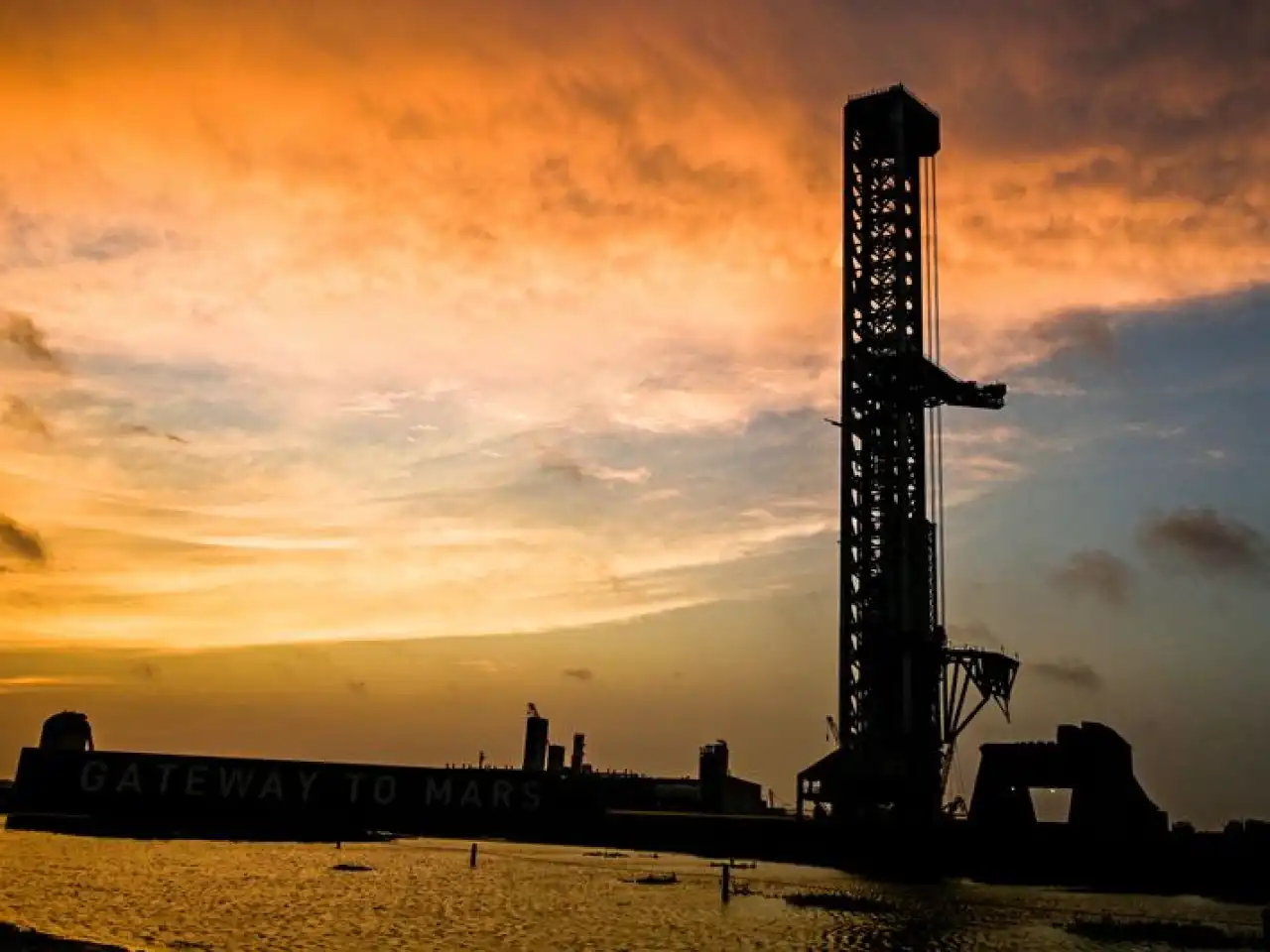
Flight 12 lifted off on May 22 from South Texas and had, overall, a productive flight for the newest version of Starship. The upper stage met all its objectives except one, which were deploying 20 mockup Starlink satellites, as well as two modified satellites used for imaging Starship during the launch. However, the first stage did not meet its return objectives since Super Heavy failed to ignite the engines in the process of partial boostback burn and made a “hard splashdown” off the coast of the Gulf.
On May 27, FAA declared that the incident was a “mishap”, which triggers a formal investigation. FAA also stated that there are no reports on any damages or injuries. Nonetheless, Starship cannot resume operations until the investigation goes through the phase when FAA finds satisfactory explanation and actions taken in order to prevent such incidents from reoccurring.
That is the critical distinction in commercial launch regulations. Even if a flight has fulfilled all major objectives, it will be grounded due to the mishap process because of the fact that the launch licensing is based on public safety, not mission success. According to the FAA commercial space regulations, the purpose of the mishap investigation is to find out the root cause of the event and establish “corrective actions”. The FAA oversees the process carried out by the operator and must approve the final report before return to flight unless it reaches a separate decision on return to flight based on public safety findings. To know more about the FAA mishap process in the commercial space, please read the FAA mishap process overview for the commercial space industry.
From the technical standpoint, the problematic part of the 12th flight is the booster segment rather than the ship segment. Super Heavy, a 236-foot first stage equipped with 33 Raptor engines, separates from the upper stage several minutes after lift off. In case of this mission, SpaceX was not attempting to return the first stage back to the launch site but had planned a water landing profile while improving the booster’s performance. Thus, the failed segment is operationally relevant yet limited in terms of scope due to the flight profile.
Meanwhile, the upper stage completed its mission. A 171-feet Starship upper stage equipped with six Raptor engines had flown halfway around the Earth, deployed the payload and landed in the Indian Ocean where it exploded upon splashdown. At the same time, this mission was a debut of Starship Version 3, which has a total height of 407 feet and is considered to be the tallest and most powerful rocket in SpaceX’s history.
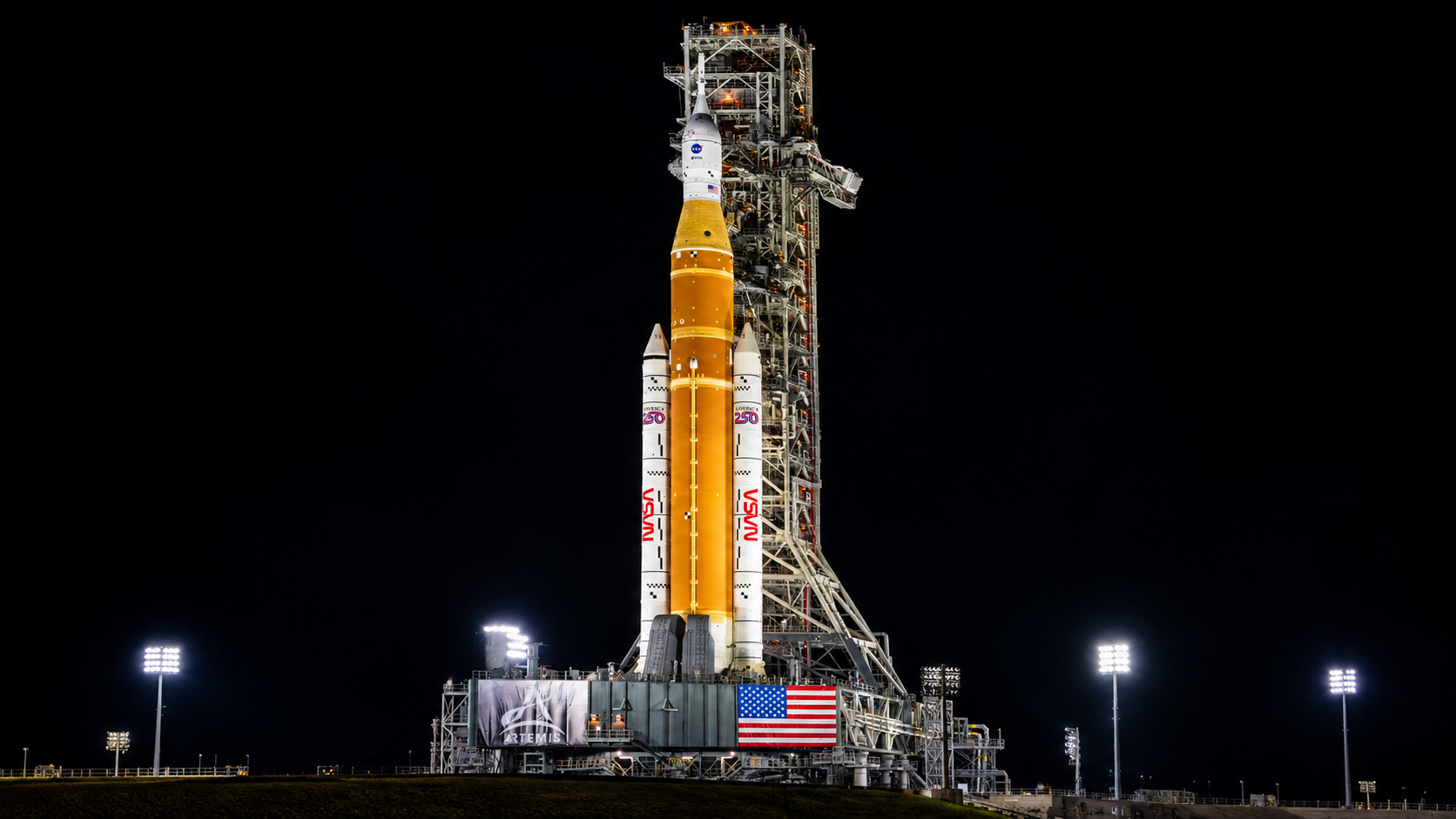
The Version 3 factor is significant in the context of US launch capability. Every new version of the vehicle provides performance improvements but resets some aspects of validation process. Starship is not only a test article but also a future operational launch system for cargo delivery to orbit, in-space propellant transfer services, and NASA’s Artemis lunar program. Thus, if the first flight of the new version caused a mishap on the booster side, it is less of an issue of attracting attention and more of an issue of validation/verification timeline and regulatory confidence.
There is a way for an operator to get back on track without waiting for the complete closure of the investigation according to the FAA process. The operator can request the return to flight despite an ongoing investigation if it demonstrates that all preventive actions have been taken and public safety is not compromised. It does not mean a quick turnaround of the process and there is no timeframe set for that. Instead, it means that the gate for return to flight is not time-based but evidence-based and safety-based.
Such an approach is critically important for the Starship program, which relies heavily on testing. Every disruption of the flight cadence results in additional days in the period between different versions of hardware, collecting and validating data on modifications done to the design. In case of the future operational system designed for ambitious flights, the inability of the booster to ignite the engines becomes a certification/ readiness issue for SpaceX to prove to FAA.
In general, it is a pretty clear message for modern US commercial space flight. In case a test flight of a heavy lift rocket has been mostly successful, it is still not enough for return to service. With the 12th flight of Starship, the upper stage accomplished everything while the Super Heavy return became the pace-setter. For such a big and strategic system, the public safety threshold of the regulator becomes the clock itself.
By David Whitaker – Associate editor for AMI’s aerospace and drone systems desk, turning flight systems, aircraft programs, spaceflight and UAV developments into comprehensible technical stories.