Two U.S. EV Charging Paths Focus on Hardware and Grid Load
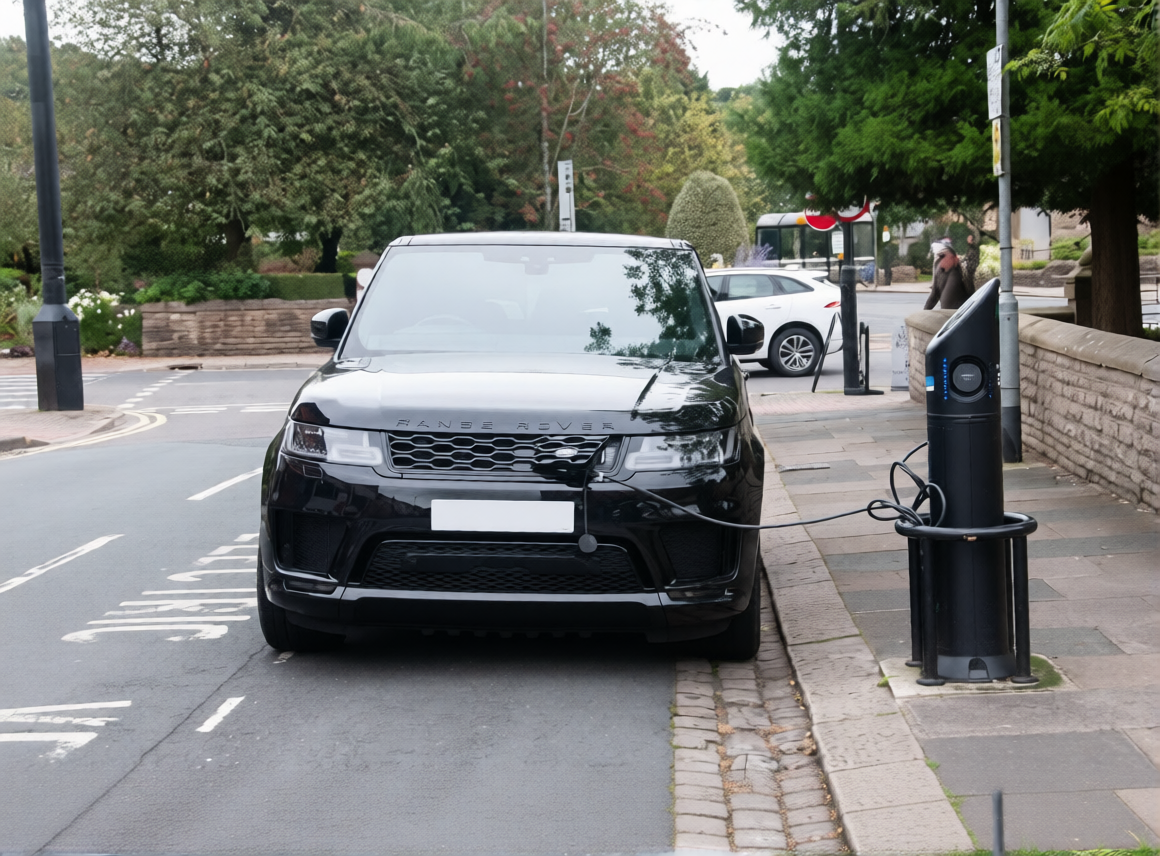
Two latest relevant infrastructure initiatives in the U.S. hint at the same engineering challenge from two perspectives: how to provide additional charging and bidirectional power functionality without allowing hardware and grid load to get out of control. A potential solution comes from within the vehicle itself. Verdek and Andromeda Power have announced that they are developing a commercialized bidirectional power technology platform called MotorTransformer. In essence, it offers an unconventional, yet a technically sensible approach to solve the problem: when the vehicle is parked, its built-in traction motor turns into a galvanically isolated transformer. If the architecture proves viable in production mode, it will reduce the amount of hardware needed to convert the electric power outside the car.

That matters since bidirectional solutions are usually constrained more by power electronics, isolation, standards, and costs of installation, rather than battery technology. The companies claim that they made it possible to get rid of any external DC charging hardware, enabling native high-power AC bi-directional charging up to 133 kW, while remaining in compliance with J3068 and J3068-2 standards. Technically, it is rather an architecture and standards story, but not a powerful one. By reusing the built-in traction hardware, it should help to decrease parts count, packaging load, and site complexity, provided the controls, thermal management, and isolation performance remain strong enough in the new conditions.
The stated figures show why this initiative gets attention. The companies estimate that an average vehicle bill of materials will be only $1,500, and they demonstrated 97.9% round-trip efficiency at 50 kW in bench tests, while infrastructure deployment costs will decline by 90% versus existing solutions. These figures should still be validated, but the direction is evident: try to leverage hardware the vehicle has on board and decrease the amount of expensive specialized hardware.
There is also fleet-related logic behind it. According to the U.S. Department of Energy, bidirectional EVs can perform various functions, such as building backup power, demand response, and others when they are combined with appropriate charging equipment. As for the commercial fleet, it means that parked vehicles become an integral part of an energy system rather than simply transportation assets. Verdek and Andromeda mentioned that they plan to develop prototypes based on Nissan Leaf and start integration with the fleet in Q4 2026 with plans for first commercial deployments in 2027.
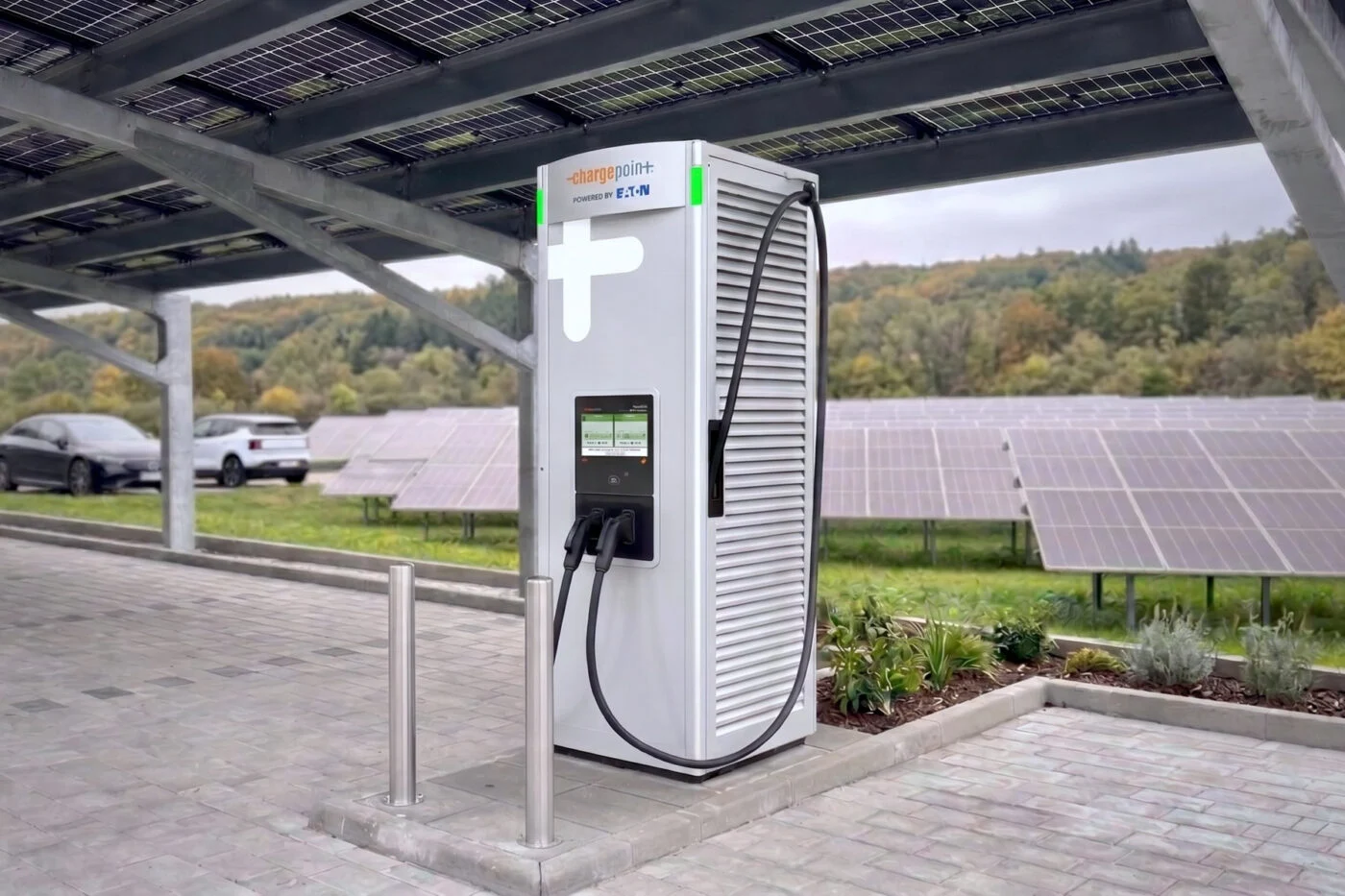
Another initiative tries to solve the problem from the opposite side – from the infrastructure side rather than the vehicle side. Electrify America opened a fast-charging hub with 20 chargers at 36 West Carrillo Street in downtown Santa Barbara, California, in a former Greyhound Bus depot. The station features 20 Hyper-Fast DC chargers with the maximum capacity of 350 kW each.
More interestingly from the engineering point of view, the station was equipped with 1.9 MW battery energy storage system (BESS). Electrify America claims that this is the largest BESS deployment in its network. This battery helps to store energy during low-load hours or when solar generation is at its maximum and then discharge it during peak load. In fact, it is an answer to one of the key problems associated with the fast-charging stations in U.S. cities. In addition to the nameplate, the utility interconnection, the available capacity of feeders, and peaks of electricity consumption can limit such installations.
BESS-equipped charging hubs do not solve the grid constraint problem, but they help to mitigate it. A BESS installed at the charging station level allows reducing peak loads, improving the charging rate during high-load periods and thus making the installation more feasible without waiting for all grid upgrades to be completed first. It is particularly relevant for 20-stall charging stations where simultaneous charging will produce high short-term load.
It is also worth noting the connector strategy which demonstrates how the operator tries to expand the capacity without making design decisions irreversible. The Santa Barbara station has opened with only CCS connectors, but some stations are planned to be converted to NACS under Electrify America’s pilot program. From the operations perspective, such gradual approach allows opening the charging stations now and changing the hardware mix later based on the vehicle parc and demands of the customers.
In general, these two initiatives demonstrate that the U.S. EV infrastructure matures following two parallel engineering tracks. One is related to architectural reuse inside the vehicle, when traction hardware performs more functions provided standards compliance and durability. The other track refers to BESS-based buffering of the grid load outside the vehicle.
That is actually a more meaningful way of understanding the ongoing construction of the EV infrastructure. The next stage of it will not be determined by fast chargers and bigger batteries. It will depend on the ability of engineers to eliminate redundant hardware for power conversion, manage peak load, and turn the charging stations into industrial assets rather than grid bottlenecks.
By Robert McKinney — Editor-in-Chief for AMI’s automotive and mobility coverage, with mechanical engineering background and 10 years experience covering powertrain systems, EV innovation and global vehicle manufacturing.