NASA’s Swift Rescue Tests U.S. Robotic Satellite Servicing Under Pressure
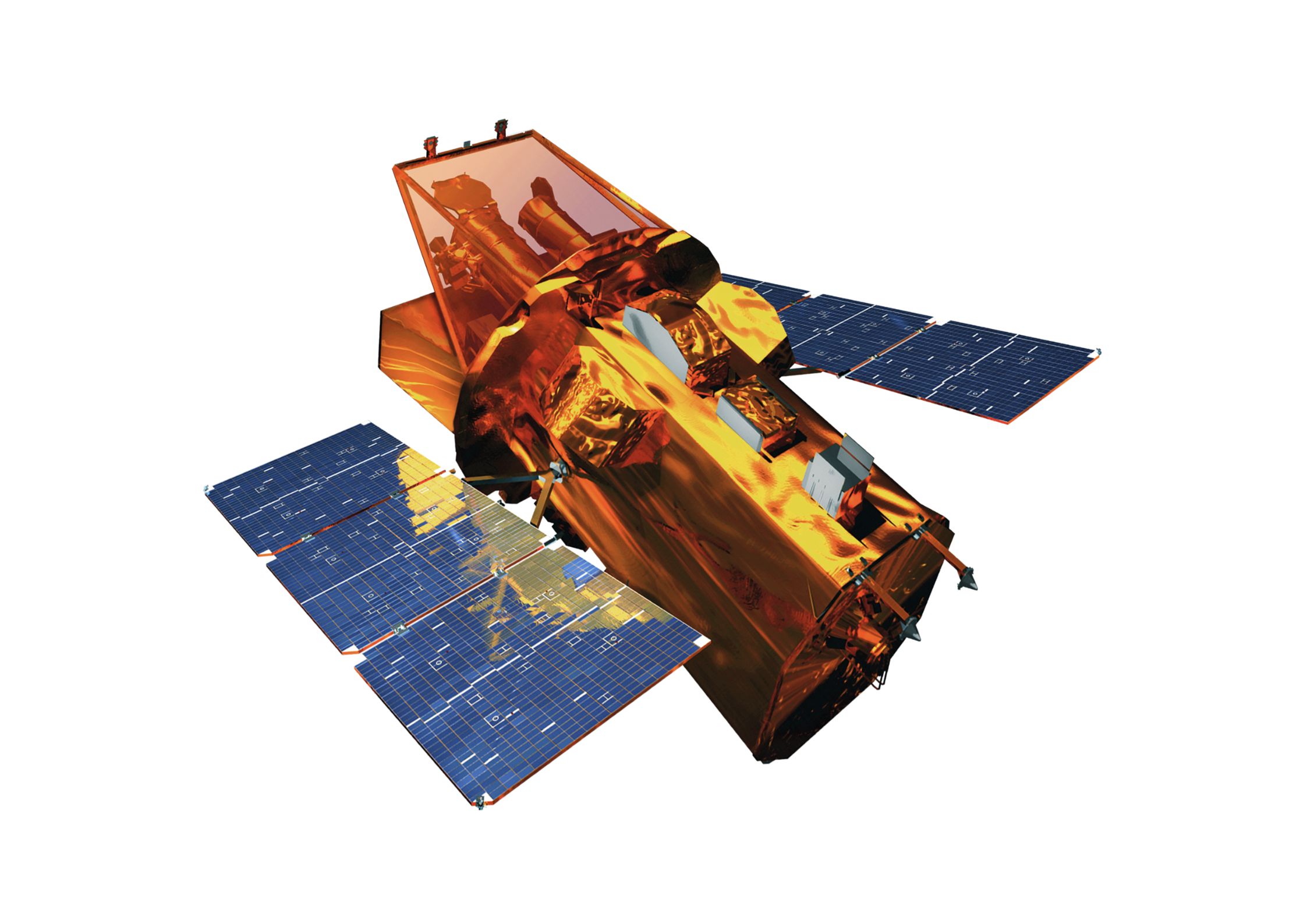
Apart from the obvious factor of saving Neil Gehrels Swift Observatory for conducting scientific research, the NASA project is an extreme test of capabilities of U.S.-made robotic spacecraft to dock, capture and lift altitude of the legacy satellite which was never intended to be serviced.

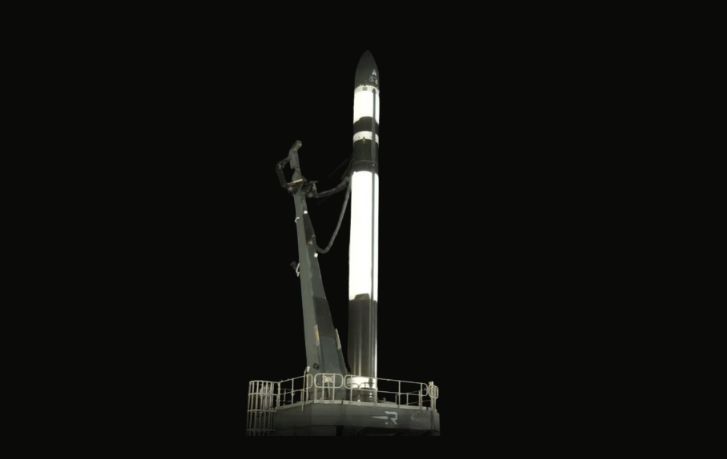
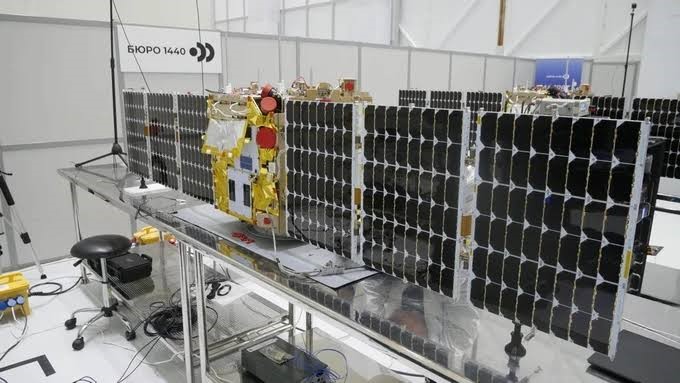
The main component of the operation is Link a robotic spacecraft developed under the NASA contract worth $30 million signed last September. As per the plans, the launch of the spacecraft will be made using the Pegasus rocket, which will be launched from Marshall Islands, and in the end of the month-long chase Link will be able to reach Swift.
The difficulty of the task lies in orbital mechanics, schedule compression, and strict deadline. The reason for swift drop in altitude of the spacecraft is increased atmospheric drag owing to recent increased solar activity resulting in the shutdown of the science instruments of the spacecraft in February. Even taking this measure into consideration, the timeframe for working with the spacecraft to conduct the mission is limited Swift has to remain in the height above 185 miles, or 300 kilometers, and according to NASA estimates this limit is going to be reached in October.
In this situation, the message NASA gave to Katalyst is very clear hurry up but do not make things worse. This combination is challenging in any program, and especially challenging in case when the goal of the operation is capturing of non-cooperative target using autonomous spacecraft.
Link itself is a compact servicing spacecraft designed as a small kitchen refrigerator having 40 foot wingspan of the solar arrays. For capturing of the observatory the spacecraft is provided with three robotic arms which feature two finger-like pinching grippers and which have the length of 3 feet. Using this equipment the spacecraft will have to conduct highly precise maneuvers on the 1.6-ton spacecraft which was not designed to be captured and docked.
Assuming that Link will be able to successfully perform capturing and docking, the second stage of the operation is less quick but also important it is raising Swift from about 224 miles, or 360 kilometers, to about 373 miles, or 600 kilometers. This is the desirable altitude at which NASA wants to extend lifespan of the observatory for as long as possible, considering that the spacecraft will still be functioning properly.
From the viewpoint of U.S. market and program, this mission is a good illustration of requirements for the on-orbit servicing. The launch system was chosen not for novelty but for accessibility and time constrains: Pegasus was selected due to Swift’s low inclination orbit and limited time that narrowed the range of options. Recently NASA stated that the integration work of the spacecraft took place at Wallops, thus proving that the main part of this mission is quick connection of the available launch, testing and spacecraft resources rather than development process taking much longer time.
This quick turn approach is a part of the story. NASA astrophysics director Shawn Domagal-Goldman reported that the mission progressed faster than expected. The key point here is that the agency does not treat this project as technology demonstration for distant future. Currently the Swift Observatory is fulfilling its operational scientific role, quickly changing positions to observe gamma ray bursts and other transient phenomena. NASA science mission chief Nicky Fox stressed that loss of Swift will mean loss of the capability that NASA cannot afford to replace at the moment.
Ghonhee Lee, CEO of Katalyst, emphasized that the mission was the first for the American space robot which was capable to perform such an orbital rescue. Overall, this mission is going to demonstrate importance of on-orbit servicing in terms of U.S. aerospace. Successful catching and moving of the legacy spacecraft will increase the chances of conducting the future servicing missions not for replacement but for life extension purposes. Such approach has implications for future procurement, spacecraft design and operators’ thoughts about on-orbit maintainability.
Sure, there is no guarantee that the mission will be successful, but this fact is inherent to the engineering problematics. Autonomous rendezvous, robotic capture and orbit raising are challenging operations, and their combination in the case of time constrains caused by increased solar drag and orbital decay is the way of testing whether the idea of on-orbit servicing is already mature or still promising.
Recently NASA officials voiced the hope that the similar life-extension operation may be conducted in the future for other observatories, including Hubble, which also experiences altitude losses. However, Swift Observatory is the current test case, and the mission is significant in its own right. If Link will be successful, the milestone of this mission will not be saving of one telescope for scientific purpose. The main achievement of the mission will be the confirmation of maturity of the U.S. on-orbit servicing program as a mission-recovery approach.
David Whitaker – associate editor for AMI’s aerospace and drone systems desk, translating flight systems, aircraft programs, spaceflight, and UAV developments into accessible technical stories.