Starship Pad Abort Shifts Attention to Engine Readiness
SpaceX halted a Starship test launch in Texas at the last moment Thursday after some of the rocket’s engines failed to ignite, stopping the vehicle roughly a second before liftoff. For U.S. spaceflight readers, the key technical takeaway is not spectacle or personality. It is propulsion readiness.

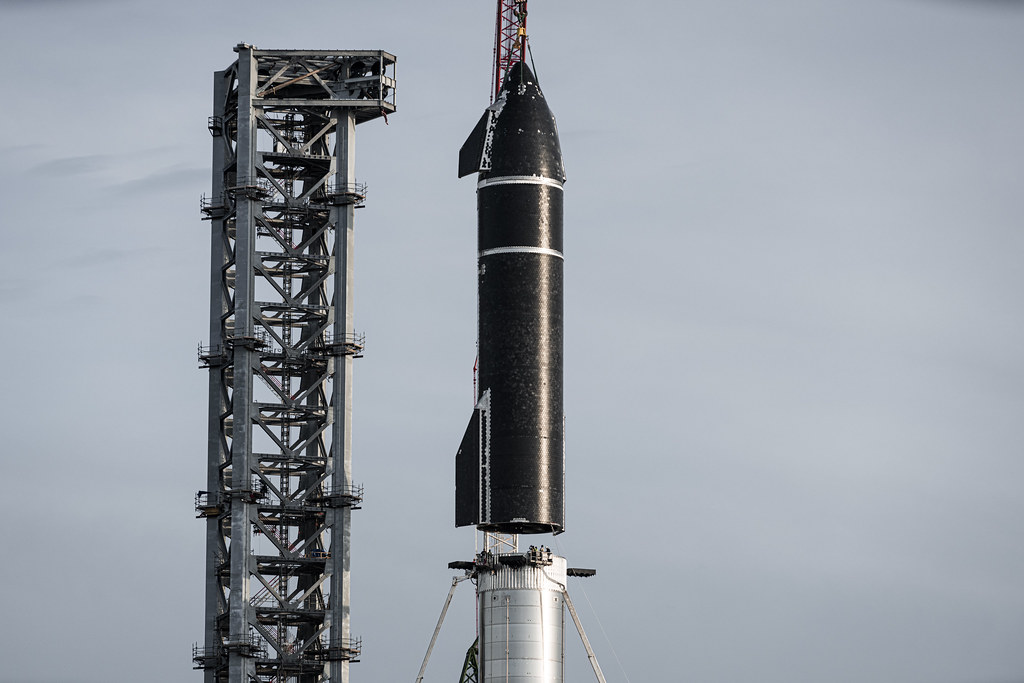
That matters because Starship is not a single-engine system with wide margin for a scrub-and-go mindset. The vehicle is described as 407 feet tall with 33 main engines, and the abort came during the ignition sequence at the pad. Smoke and vapor were visible as the countdown reached the final seconds, but the confirmed point is straightforward: the launch system detected that not all required engines were ready and the attempt was terminated before ascent.
In launch operations, that is exactly where reliability gets tested. A rocket can clear many preflight gates and still fail at the moment when ignition timing, engine health, software logic, and pad-side sequencing all have to line up. A last-second abort does not by itself establish root cause, damage, or a broader design flaw. But it does put the spotlight on the narrowest part of the readiness funnel: whether the propulsion system can deliver repeatable ignition performance when the vehicle is fully loaded and committed to launch.
SpaceX founder and CEO Elon Musk said two engines will be replaced before the next attempt in order to be “confident of a good flight.” That is a notable operational decision. Engine replacement after a pad abort points to a conservative next step in the turnaround process, even without public detail on inspection findings or the exact reason those units were selected. For engineers and operators, the significance is less about the number of engines being swapped than about what the move signals: launch confidence now depends on restoring margin at the propulsion level before trying again.
The planned mission was described in broad terms as a space-skimming journey halfway around the world from Texas, and the next attempt would be Starship’s 13th flight. Those mission details matter mainly because test flights like this are cumulative. Each one is supposed to retire a slice of technical risk, whether in ascent, engine performance, thermal protection, guidance, or recovery operations. When a mission stops on the pad, the unresolved risk stays concentrated at the very first gate: getting off the ground cleanly.
That has implications beyond a single countdown. Launch systems earn operational credibility through repeatability, not just peak performance. A heavy-lift vehicle can post impressive thrust numbers on paper, but schedule confidence and mission planning depend on whether ignition and startup behavior are consistent enough to support regular flight attempts. In that sense, a pad abort tied to non-ignition is more than a one-day delay. It is a reminder that propulsion reliability remains one of the main pacing items for the program.
There is also a practical maintenance angle here. Replacing engines before another attempt means additional inspection, integration, and verification work before the vehicle returns to the pad. None of that is unusual in a flight-test program, especially one built around iterative hardware changes. But it reinforces a basic aerospace truth: high launch cadence is not just a manufacturing problem. It is also a troubleshooting and requalification problem, particularly when propulsion hardware is the gating item.
What is not supported at this point is just as important. There is no confirmed public root cause here, no stated damage assessment, no detailed inspection result, and no firm schedule in the reported facts for the next attempt. It would be a mistake to turn a visible abort into a definitive story about deeper system failure without that information. The confirmed story is narrower and more useful: some engines did not ignite, the automatic abort system stopped the launch, and SpaceX plans to replace two engines before trying again.
For the broader U.S. launch market, that keeps the focus where it belongs. Starship’s scale draws attention, but readiness is built at the subsystem level. Until ignition performance is dependable enough to support repeated clean departures from the pad, propulsion remains the central engineering story. In spaceflight, launch confidence is earned one successful startup sequence at a time.
By David Whitaker — Associate editor for AMI’s aerospace and drone systems desk, translating flight systems, aircraft programs, spaceflight, and UAV developments into accessible technical stories.