Lockheed’s Record $1.6 Billion F-35 Spares Award Expands Support Through 2033
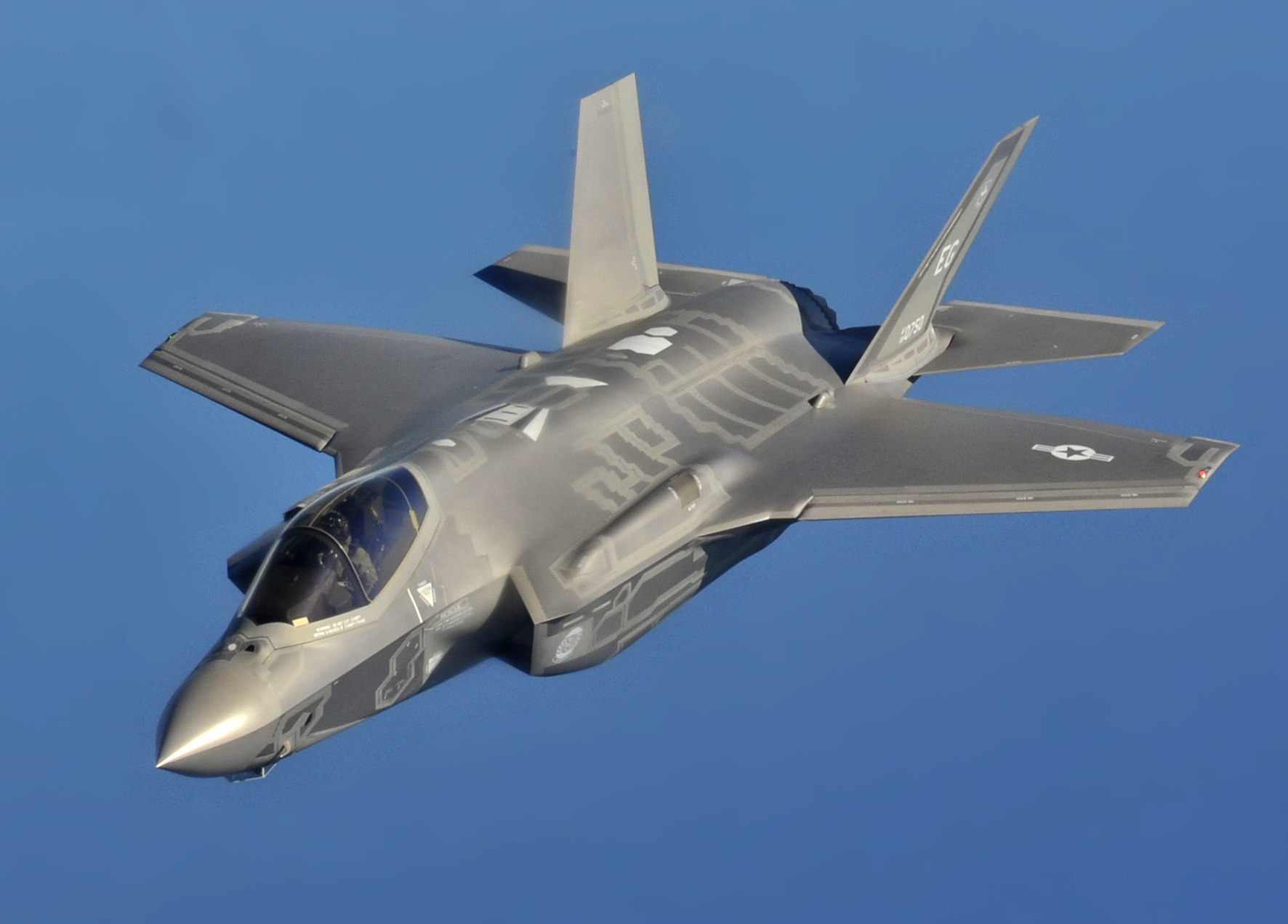
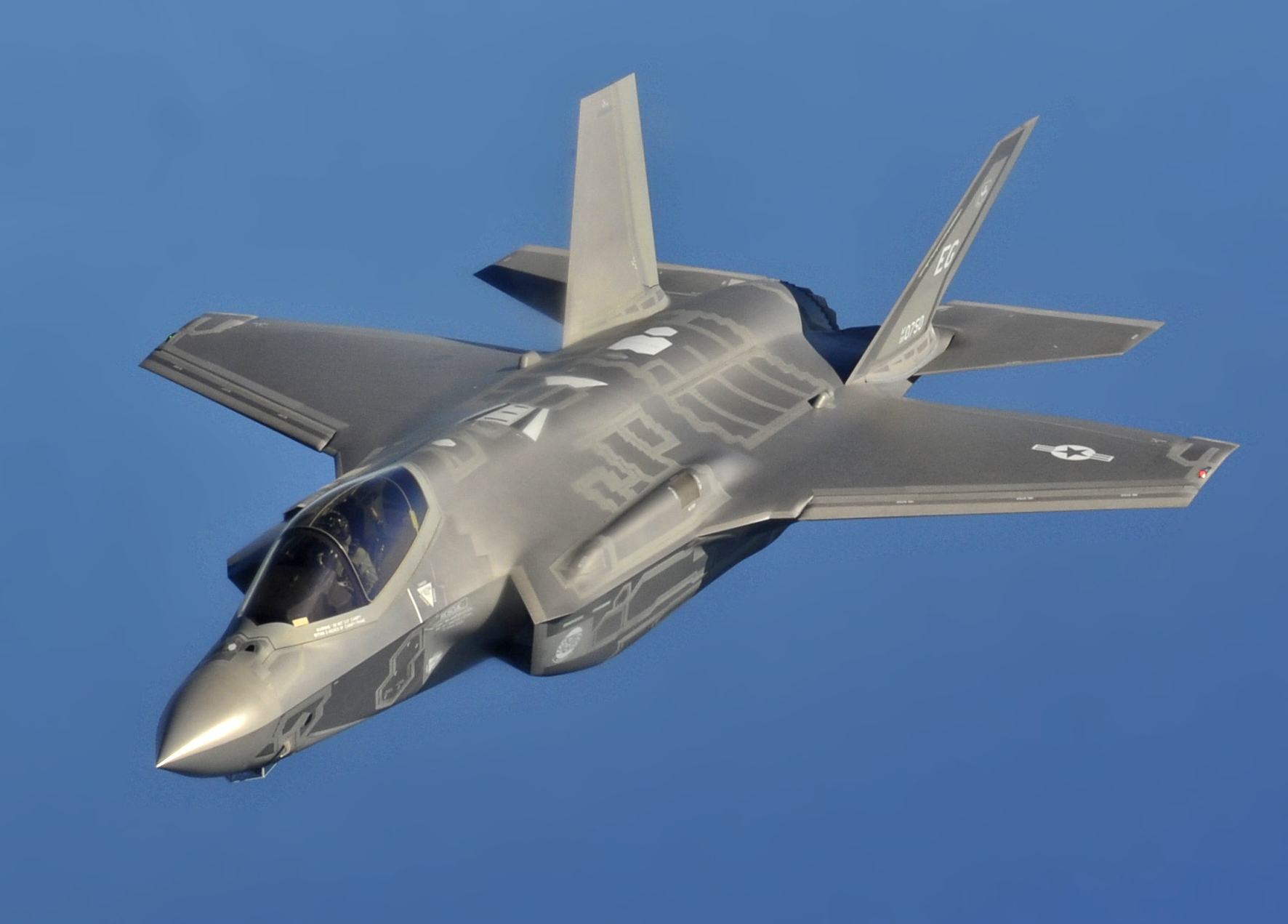
Lockheed Martin received a $1.603 billion order on July 15, 2026, to supply initial spare parts for the F-35 fleet, an award the company described as the largest spares contract in program history. The official contract announcement says the parts will support U.S. military services, international partners and foreign military customers, with work in Fort Worth expected to continue through September 2033. That long performance period expands the program’s sustainment pipeline, but it does not establish how much aircraft readiness will improve.

The firm-fixed-price order covers global and base spares pools, along with packages for deployments and operations at sea. Its customers include the Air Force, Marine Corps and Navy, as well as F-35 program partners and Foreign Military Sales customers.
Funding reflects that multinational scope. The order includes approximately $754.7 million in fiscal 2026 Air Force aircraft-procurement money and $223.1 million in Navy aircraft-procurement funds. Program partners account for about $138.8 million, while Foreign Military Sales funds contribute roughly $486.4 million. All of that funding was due to be obligated at the time of award.
A parts contract built around shared support
The F-35 sustainment model matters as much as the headline value. Operators draw support from shared spares pools rather than simply maintaining entirely separate inventories for each service or country. Base packages position parts at principal operating locations, while the global pool holds inventory that can be moved in response to customer requirements. Deployment and afloat packages support aircraft operating away from their regular bases or aboard naval vessels.
This structure can reduce unnecessary duplication across a large international fleet, but it also makes inventory planning and allocation more complex. Parts must be purchased, positioned and distributed against different fleet sizes, planned flying hours and operating requirements. A large procurement award can strengthen that system by adding inventory and creating a longer demand signal for suppliers. It cannot, by itself, prove that the correct parts will reach every aircraft at the required time.
The latest order is substantially larger than several earlier F-35 spare-parts agreements. Those included awards valued at $578 million in July 2025, $348 million in September 2022 and $382 million in December 2022. Contract values alone do not reveal the number, type or unit cost of the parts being bought, but the comparison shows a much larger sustainment commitment extending across several customer groups.
The readiness problem remains measurable
The award arrives against a documented availability shortfall. A Government Accountability Office assessment released in June found that about 25% of F-35 aircraft were fully mission capable, meaning able to perform all assigned missions. That figure was down from 38% in 2021.
The distinction between “fully mission capable” and broader aircraft availability is important. The 25% figure is the reported condition of the fleet, not a target for this contract and not a forecast of the award’s result. No specific future mission-capable rate has been attached to the order, and the available contract information does not identify which individual components will be purchased or how many parts each customer will receive.
Lockheed said the investment would support efforts to improve mission-capable rates while providing more consistent demand to the F-35’s global supplier network. That supplier signal has practical industrial value: steadier demand can help manufacturers plan material purchases, labor and production capacity over a longer horizon. Still, the statement describes an expected benefit rather than a measured readiness outcome.
The contract’s firm-fixed-price structure also establishes a set price for the ordered scope, placing emphasis on Lockheed’s ability to manage procurement and delivery over the performance period. The official announcement says the award was not competed and identifies Naval Air Systems Command as the contracting activity.
The engineering and logistics test now moves beyond the size of the award. The relevant measures will be whether inventories become more consistently available, whether distribution supports the fleet’s varied operating locations and whether aircraft spend less time waiting for required parts. At $1.6 billion, the F-35 program has made its largest confirmed commitment to initial spares. The contract buys support capacity through 2033; improved readiness must still be demonstrated in fleet data.
By David Whitaker — Associate editor for AMI’s aerospace and drone systems desk, translating flight systems, aircraft programs, spaceflight, and UAV developments into accessible technical stories.