Ukraine’s 16-Jet Gripen E Order Makes Fleet Integration the Readiness Test
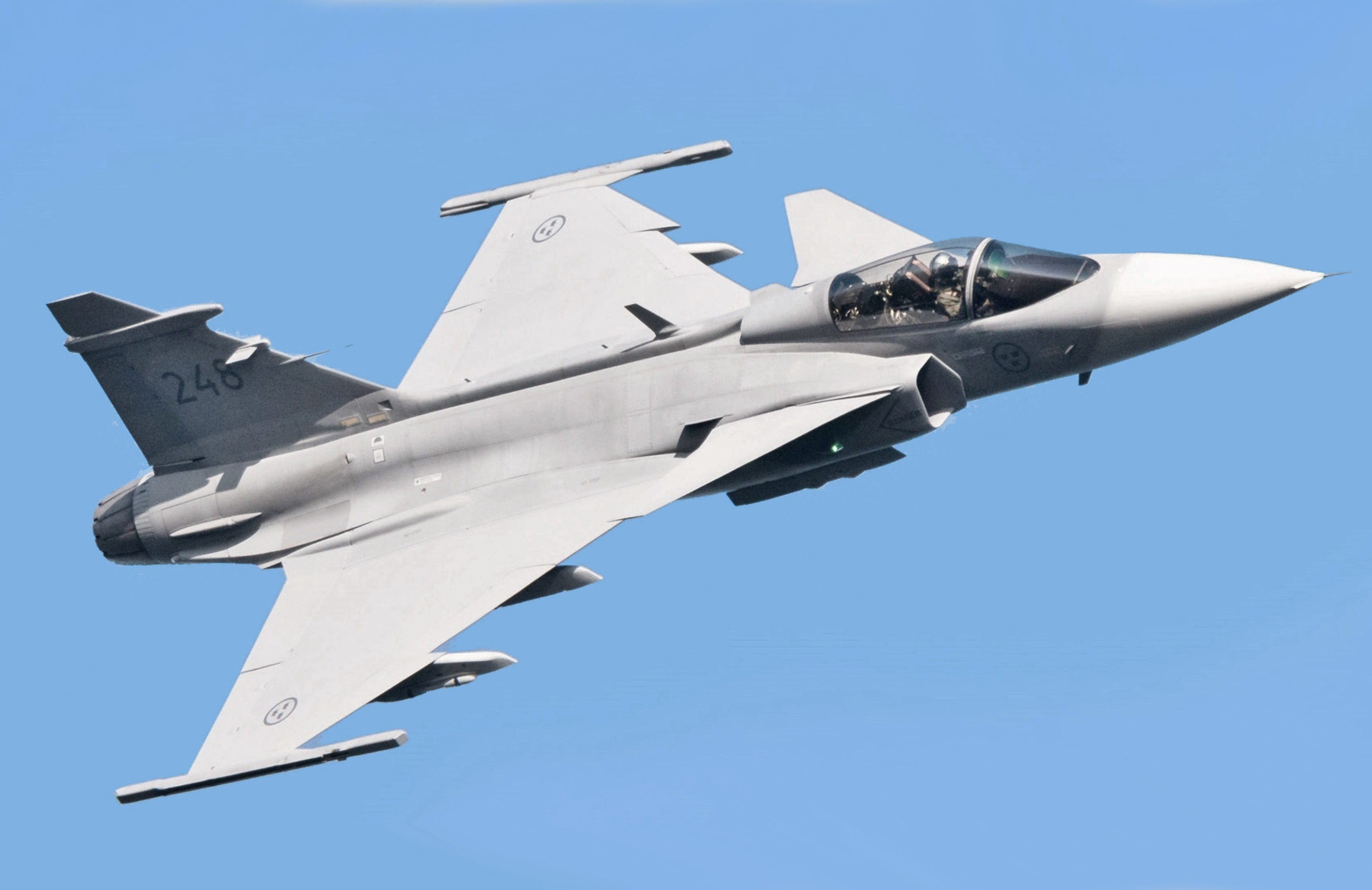
Saab has received a firm order for 16 new-build Gripen E fighters for Ukraine, converting an earlier plan for up to 20 aircraft into a defined production commitment, according to reporting on the signed agreement. The SEK 24.6 billion, or roughly $2.5 billion, contract was signed June 30 and calls for deliveries in 2029 and 2030. Sweden also plans to donate 16 older Gripen C/D fighters beginning in early 2027. Together, the two batches establish a potential 32-aircraft Gripen fleet, but aircraft availability alone will not determine its readiness value: training, sustainment and integration with Ukraine’s U.S.-built F-16 fleet now become central program requirements.

The contract covers the 16 Gripen E aircraft, spare parts and associated equipment. Financing is expected to come from a European Union loan, with United Kingdom support also identified. This is narrower than the earlier announcement that Ukraine intended to allocate €2.5 billion, about $2.9 billion at the time, toward as many as 20 Gripen E fighters. It is also substantially smaller than the October 2025 letter of intent contemplating a possible 100 to 150 aircraft, which remains a long-term ambition rather than a completed procurement.
A two-stage fleet buildup
The donation and new-build order create two distinct introduction phases. Sweden’s 16 used Gripen C/D aircraft are expected first, beginning in early 2027. The newly manufactured Gripen Es follow in 2029 and 2030. That sequencing could let pilots, maintainers and support organizations gain experience with the Gripen family before the latest model arrives.
However, the C/D and E are not interchangeable versions of one identical support system. The Gripen E incorporates a different airframe configuration, updated sensors and a General Electric F414 engine. Consequently, experience on the older aircraft may provide useful familiarity with Saab operating concepts without eliminating the need for model-specific training, spares, technical documentation and maintenance infrastructure.
The distinction matters because readiness is measured in supported sorties, not delivered tails. A donated aircraft can enter the inventory faster than a new-build jet, but its practical availability depends on inspection status, remaining component life, spare-parts supply and the scope of its transferred support package. No public information supplied with the initial donation announcement established every aircraft’s individual configuration or maintenance condition, so those details should not be assumed.
F-16 integration is the larger systems question
Ukraine is already introducing U.S.-built F-16s. Adding Gripen C/D and Gripen E aircraft would expand the fighter inventory, but it would also create parallel requirements for pilot conversion, ground equipment, engine support, software management, data links and weapons integration. The Gripen E’s use of the U.S.-designed F414 provides an American industrial connection, but a common supplier nation does not make two fighter fleets logistically common.
Sweden previously suspended Gripen transfer planning in 2024 after partner countries asked that F-16 deliveries receive priority. That decision highlighted the constraint that still applies: introducing too many aircraft types simultaneously can divide limited training and sustainment capacity. The revived Gripen plan is more structured because the donated aircraft and new production are separated by roughly two years, but execution will still require coordinated maintenance and mission-system planning.
Production capacity is part of the schedule
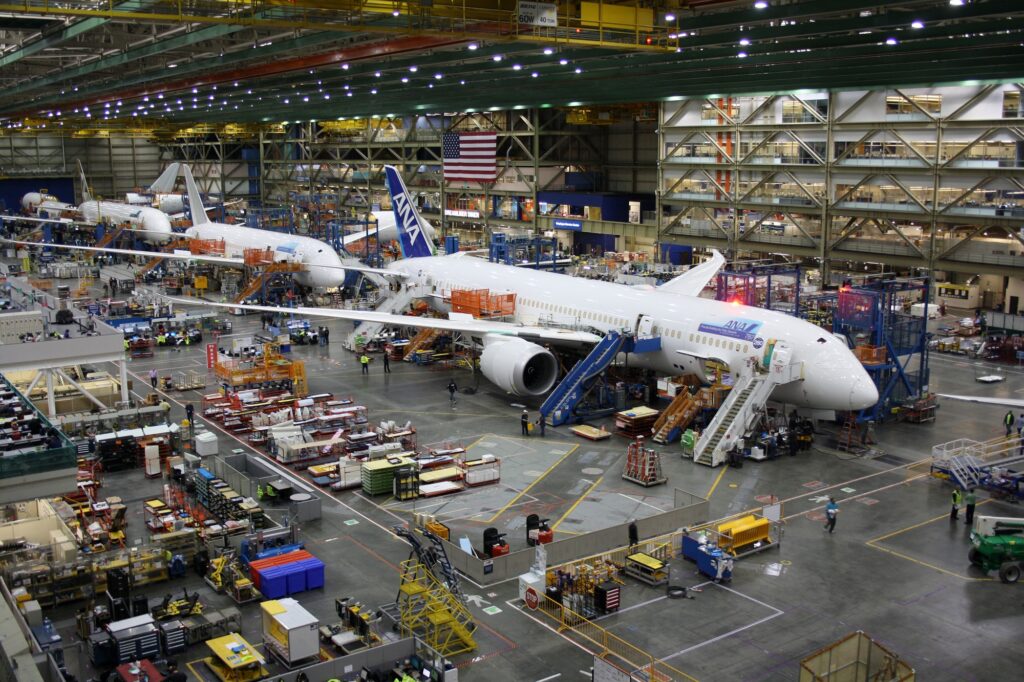
Saab’s manufacturing network must support Ukraine’s order alongside existing and potential export demand. Saab and Embraer have signed a framework for potentially assembling 20 additional Gripens in Brazil, supplementing Saab’s final-assembly line in Sweden. The companies intend to conclude a corresponding agreement in 2026, but the framework does not identify those aircraft as Ukrainian or guarantee added output.
That potential expansion nevertheless shows the industrial issue behind ambitious fleet totals. Building 16 Gripen Es is a contracted program; reaching the previously discussed 100-to-150-aircraft range would require much more financing, supplier throughput, assembly capacity and long-term support infrastructure.
The near-term milestones are therefore concrete but limited: delivery of donated Gripen C/D aircraft beginning in early 2027, followed by the first new Gripen Es in 2029 and completion of the contracted batch in 2030. The order gives Ukraine a defined path beyond an aspirational purchase plan. Its operational payoff will depend on whether the training, maintenance and integration system matures on the same schedule as the aircraft.
By David Whitaker — Associate editor for AMI’s aerospace and drone systems desk, translating flight systems, aircraft programs, spaceflight, and UAV developments into accessible technical stories.