NASA Opens Search to Replace 25 Supersonic Astronaut-Training Jets Before Support Fades
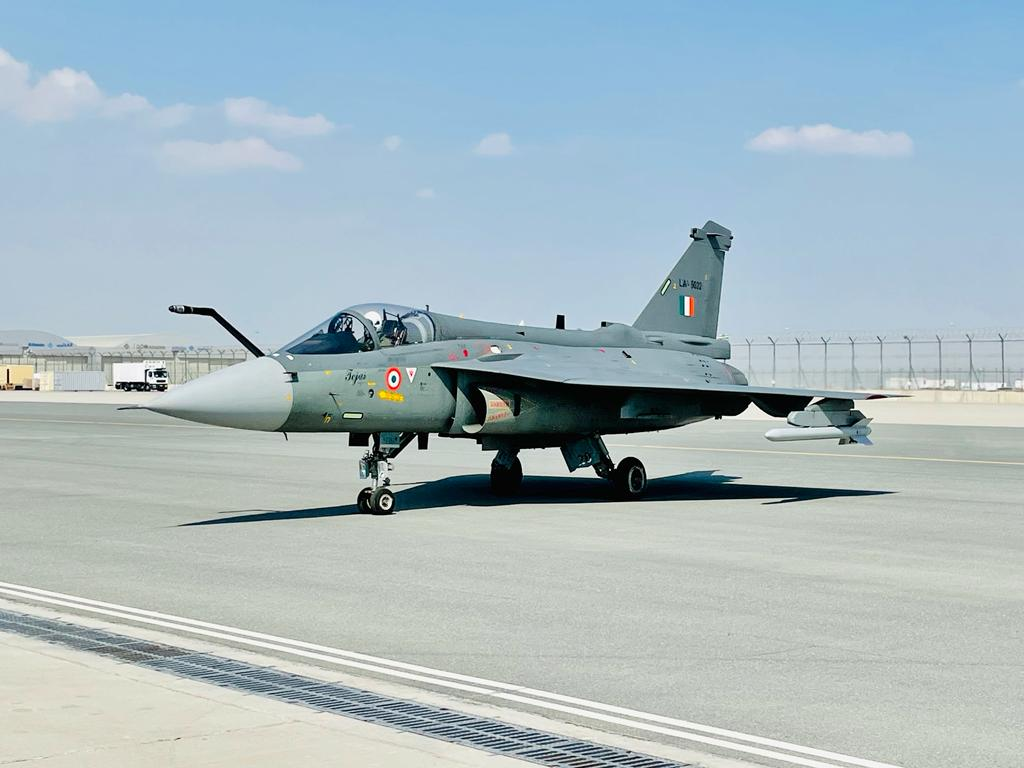
NASA needs an aircraft demanding enough to prepare astronauts for high-pressure decisions in flight, but its 25 supersonic T-38N Talons depend on a support network that is approaching retirement. On August 27, 2026, Johnson Space Center opened market research for modern aircraft that could eventually replace jets used by NASA crews since 1964.
The timing is being driven less by a sudden change in the astronaut mission than by the U.S. Air Force’s plan to retire its much larger T-38 fleet between 2030 and 2035. Air Force demand helps sustain the parts supply, depot maintenance and engineering services available to NASA. Once that principal operator leaves the type, maintaining a small, specialized NASA-only fleet would become substantially harder and more expensive.
This is not yet a solicitation to purchase a replacement fleet. NASA intends first to evaluate a small number of aircraft over multiple years, examining compatibility with its operations, logistics, cost and effects on training. The agency also asked industry about leases, lease-to-own structures, barter arrangements and other acquisition models because upfront procurement funding is limited.
NASA needs more than an ordinary flight trainer
The T-38N’s value comes from the workload it imposes. Its two-person crew experiences rapid acceleration, demanding handling and loads exceeding 5 Gs. Two afterburning General Electric J85 turbojets can propel the aircraft to approximately Mach 1.6 above 40,000 feet.
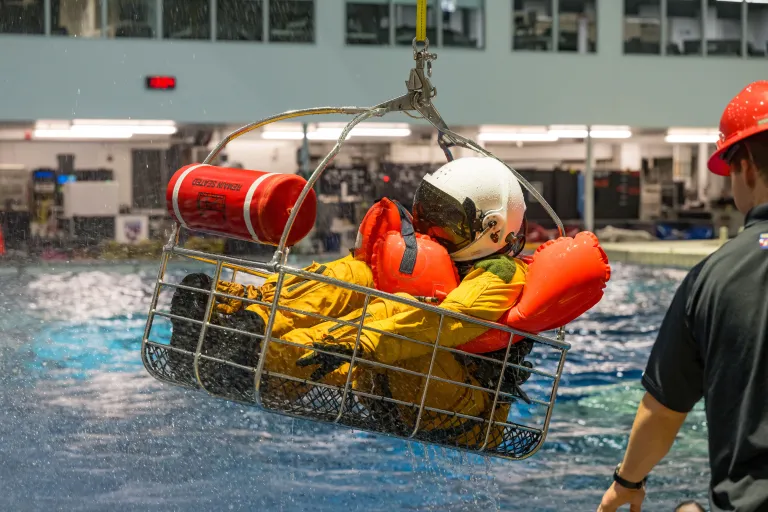
Those figures do not simply describe speed. They define an environment in which astronauts must communicate, manage tasks and make decisions while physically loaded and moving quickly through changing conditions. NASA says aircraft training builds confidence, coordination, adaptability and resilience in high-stakes environments; its 2025 astronaut-candidate class began flying T-38s during its current training program.
NASA has kept the Talons relevant through glass-cockpit and engine improvements, and the T-38N differs from the Air Force’s T-38A, T-38B and T-38C variants. The aircraft also supports chase-plane missions and flying-testbed work. A successor therefore has to fit Johnson Space Center’s operating framework while preserving the high-performance qualities central to Spaceflight Readiness Training.
That balance leaves room for tradeoffs. The market-research notice seeks a modern, reliable, dual-control aircraft with suitable avionics and the ability to support dynamic maneuvering, formation flight and cross-country navigation. NASA is also open to reasonable flight-hour limits, maneuver restrictions or operating envelopes recommended by a contractor. Such limits could reduce cost and maintenance exposure, but the eventual evaluation will have to determine whether they leave enough performance for the training mission.
The Air Force replacement is not an automatic NASA solution
The Boeing-Saab T-7A Red Hawk is an obvious aircraft for NASA to examine because the Air Force selected it to replace the T-38. It is not, however, a confirmed NASA choice. The Red Hawk was designed around the Air Force’s pilot-training pipeline and preparation for modern combat aircraft, while NASA must validate a different mix of astronaut training, chase support, logistics and operating costs.
Availability is another constraint. The T-7A’s Air Force initial operational capability target has moved from October 2025 to August 2027. A full-rate production decision that had been expected in January 2027 is now targeted for January 2029. The Air Force awarded a $219 million contract for the first 14 production aircraft after approving low-rate production, but its own training organization still needs aircraft deliveries, qualified instructors and completed testing to converge on schedule.
That sequence matters to NASA. Even if the T-7A ultimately proves technically suitable, the Air Force has a large replacement requirement of its own and little room in its current schedule. NASA cannot assume that aircraft would be available on the timetable or commercial terms needed to retire the T-38N fleet.
The limited evaluation is therefore the consequential next step, not a formality before a predetermined purchase. It will show which aircraft can preserve the acceleration, physical loading and demanding manual flying that NASA values and which acquisition and maintenance model can keep that capability affordable after the national T-38 support system begins disappearing in the 2030s.
| More aerospace and engineering stories, right in your MSN feed. Follow AMI on MSN |
By David Whitaker — Associate editor for AMI’s aerospace and drone systems desk, translating flight systems, aircraft programs, spaceflight, and UAV developments into accessible technical stories.