Dulles Unveils $22.5 Billion Plan Replacing Mobile Lounges With a Train
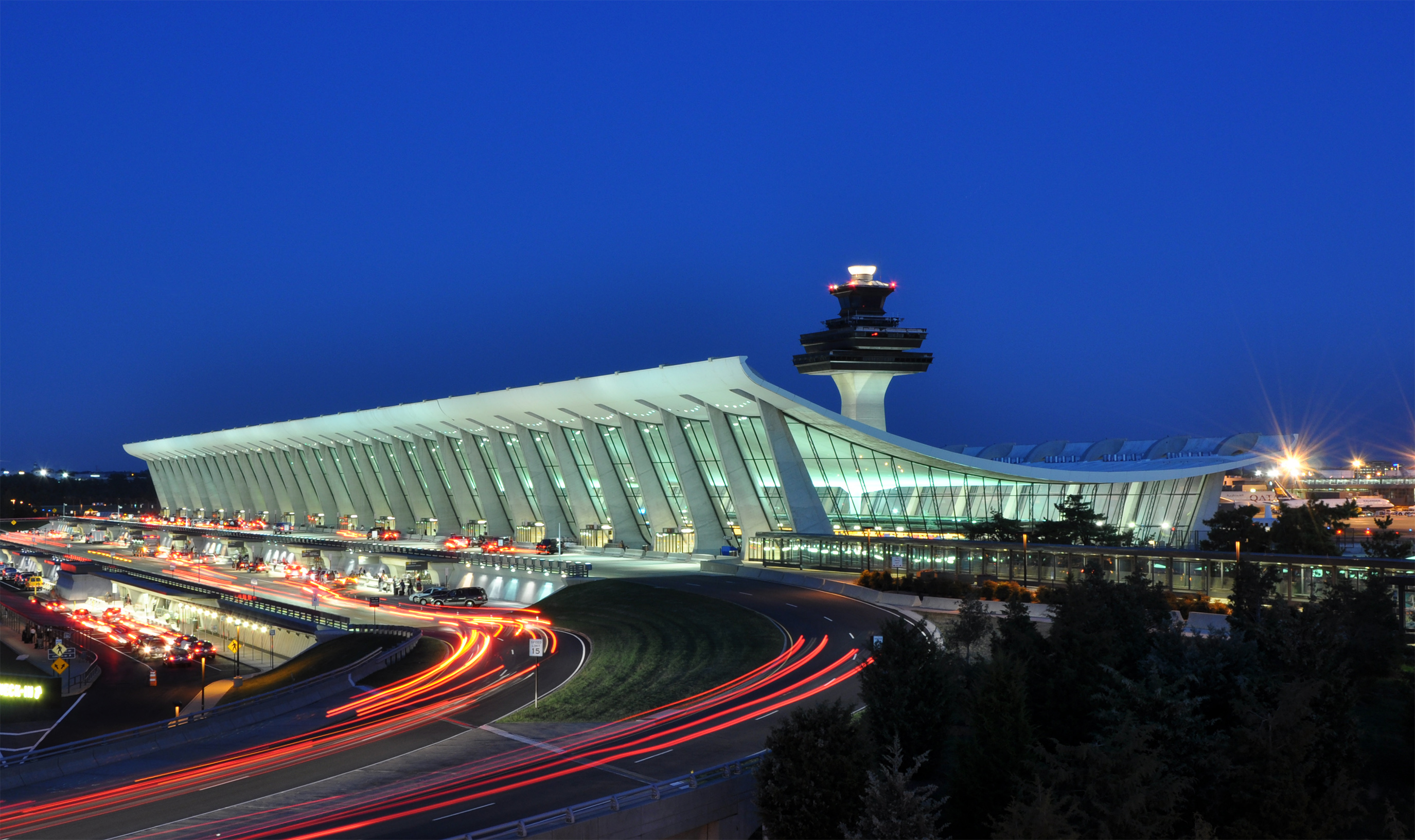
Washington Dulles International Airport on July 29 unveiled a proposed $22.5 billion modernization that would retire its mobile lounges and reorganize passenger movement around an expanded train, a central walking tunnel and moving walkways. The U.S. Department of Transportation announcement also calls for new concourses, modernized passenger-processing systems and closer parking, with construction potentially beginning in spring 2027.

The plan addresses one of Dulles’ most recognizable operational features. Mobile lounges have carried travelers between the terminal and aircraft or concourses since the airport opened in 1962. Dulles currently has 19 of the vehicles, each rated to carry as many as 102 passengers. Under the proposal, a U-shaped expansion of the AeroTrain system and new pedestrian links would take over that circulation role.
This is principally a terminal and ground-transportation program, not an airfield expansion. The proposal includes no new runways or runway extensions. Its capacity gains would instead come from new and replacement concourses, additional gates, redesigned passenger-processing areas and more efficient connections among check-in, security, trains, gates, customs and baggage claim.
A circulation redesign, not simply a vehicle replacement
Replacing the mobile lounges is only one part of a larger systems-integration problem. Dulles must connect the main terminal, satellite concourses, international-arrivals facilities and future gate areas while continuing to handle roughly 29 million annual passengers. The airport authority says the full program would create or renovate more than 5 million square feet.
The proposed central walking tunnel would provide an alternative to train travel, while moving walkways would reduce the physical burden of longer distances. That combination matters because no single transport mode works equally well for every traveler or operating condition. A rail system can move large passenger volumes predictably, but pedestrian routes provide redundancy and direct access when properly designed for distance, accessibility and wayfinding.
The plan also includes an above-ground garage with capacity for 32,000 vehicles closer to the main terminal. Although parking is separate from airside circulation, its location affects the entire passenger journey: walking distance, curb traffic, check-in demand and security-processing peaks all interact. The practical test will be whether these elements are designed as one flow system rather than as independent construction projects.
Financing and approvals remain incomplete
Metropolitan Washington Airports Authority President and CEO Jack Potter said the authority, United Airlines and other carriers had agreed to finance the work through airport-generated revenue, airline contributions and municipal bonds. The Transportation Department said municipal bonds would fund new concourses and terminal facilities, while other portions could involve public-private partnerships.
Officials have not provided a detailed allocation of the $22.5 billion among the airport authority, airlines, bond proceeds and private partners. They also have not established whether travelers would eventually face higher passenger-facility charges or whether airlines could recover some costs through fares. Industry analyst Henry Harteveldt has cautioned that separate runway, safety, customs or security improvements could still involve public funding, but no such funding commitment has been confirmed.
The schedule is similarly preliminary. Transportation Secretary Sean Duffy said work could begin in spring 2027, but some elements require congressional approval. Parts of the broader program also remain subject to permitting and environmental review. Construction would proceed in phases over several years while Dulles remains operational, making sequencing and commissioning central risks to cost and schedule.
That sequencing is particularly important for baggage handling, utilities, security screening, customs processing and passenger circulation. Replacement infrastructure generally must be tested and placed in service before an existing system can be removed. At an operating international airport, temporary routes and construction interfaces can be as consequential to travelers as the finished architecture.
One near-term project will arrive first
Dulles already has modernization work underway. The first section of Concourse E is scheduled to open later in 2026 with 14 additional United gates and direct AeroTrain access. That project offers an early, narrower test of how new gate capacity and rail connectivity can be introduced before the proposed airport-wide transformation advances.
The $22.5 billion figure establishes the scale of the ambition, not a final delivery guarantee. For passengers, the central promise is straightforward: replace vehicle transfers with a connected rail-and-walking network. Whether Dulles can deliver that improvement without disruptive construction, unplanned public costs or higher traveler charges will depend on approvals, financing transparency and disciplined integration of the airport’s transport, baggage, security and terminal systems.
By Thomas Caldwell — AMI’s senior editor for mechanical and mobility engineering, covering vehicle electronics, systems integration, electrification, chassis systems, propulsion, and safety policy.