Mercedes Recalls 310,667 Vehicles Over Automatic Parking-Brake Failure Risk
Mercedes-Benz USA on July 30 recalled 310,667 vehicles because corrosion in a driver-door lock micro-switch can prevent the electronic parking brake from engaging automatically, according to documents posted by the National Highway Traffic Safety Administration. The resulting loss of this automatic function creates a potential rollaway risk, although Mercedes-Benz had received no reports of vehicles rolling away when the recall was filed.

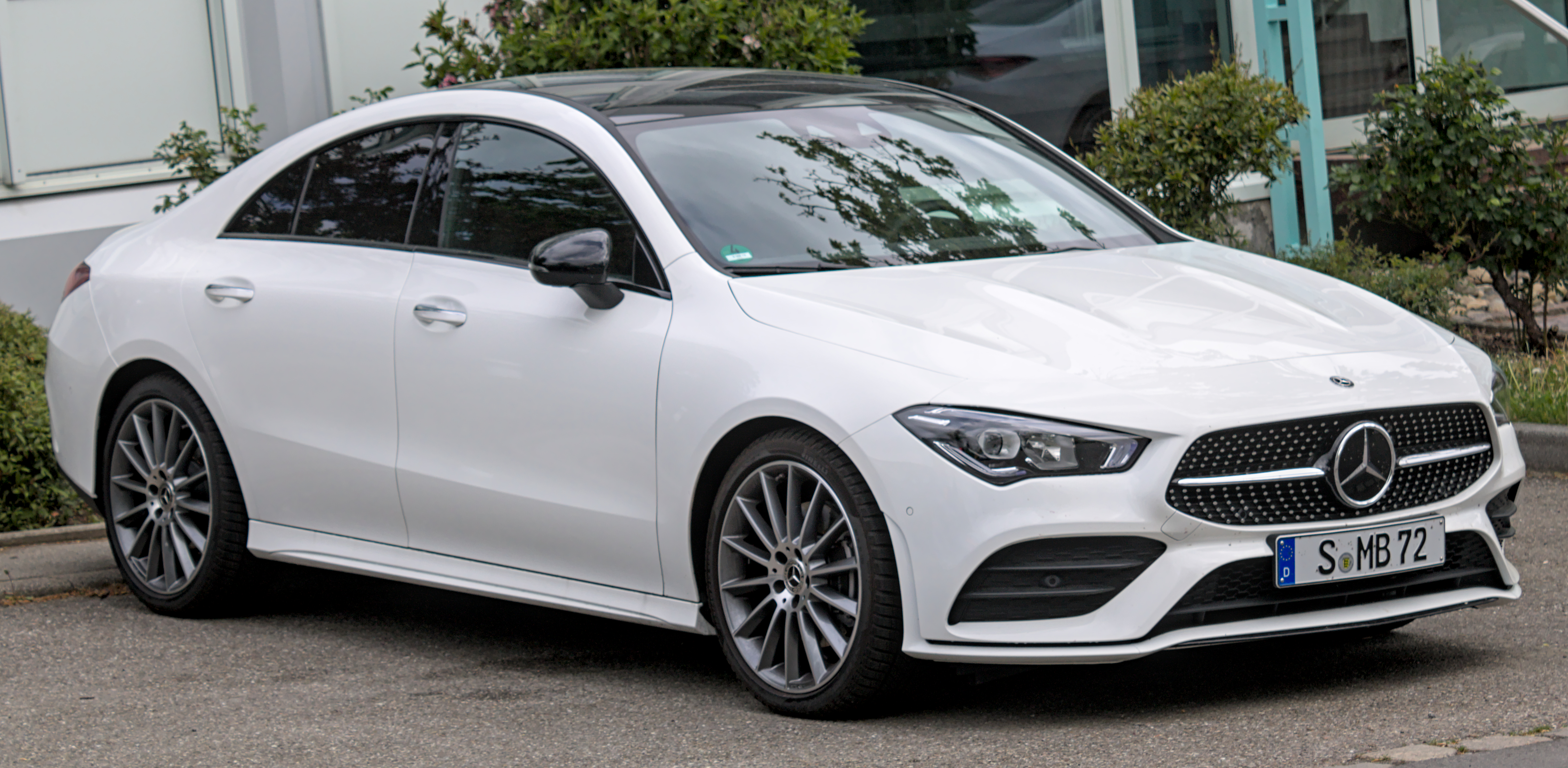
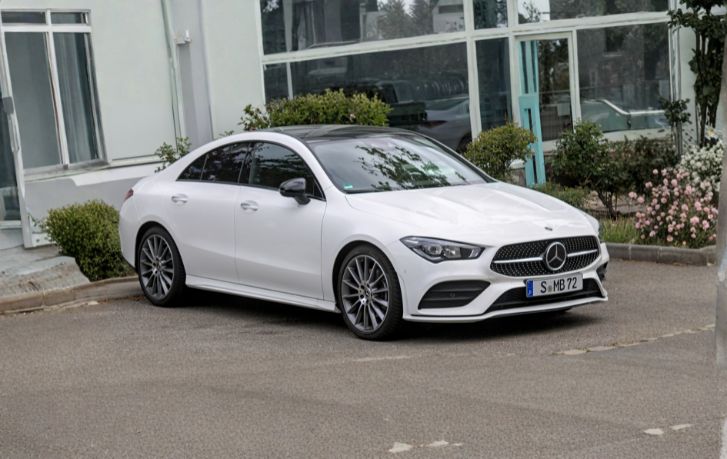
The campaign covers selected vehicles from seven model lines: the 2020-2021 CLA, 2019-2022 A-Class, 2022-2023 C-Class, 2024 CLE, 2020-2026 GLA and GLB, and 2023-2024 GLC. Those model-year ranges do not mean every vehicle in each group is necessarily included. Owners can enter their 17-digit vehicle identification number on the Mercedes-Benz USA recall page to check current recall information for a specific vehicle.
A door signal can determine whether the brake engages
The affected component is a micro-switch inside the driver-door lock assembly. Its role is to tell the vehicle whether the driver’s door is open. Moisture-related corrosion can degrade that switch over time, causing the vehicle to receive incorrect door-status information.
That input is tied to automatic electronic parking-brake engagement, also described in the recall information as the Auto-Park feature. If the vehicle does not detect that the driver’s door has opened, the brake may not engage automatically as intended. The defect therefore does not have to originate in the parking-brake actuator itself to interrupt the safety function; a failed input elsewhere in the system can prevent the engagement command.
This is a useful illustration of how modern vehicle functions depend on distributed sensors, controllers and software logic. A door-lock switch may appear unrelated to holding a parked vehicle, but its signal can serve as one of the conditions used by an automated feature. From a systems-engineering perspective, the quality of the function depends not only on the brake hardware but also on the integrity of every required input and the logic that interprets it.
Mercedes-Benz is aware of 176 U.S. field cases associated with the issue. That figure documents activity related to the defect, but it should not be read as 176 rollaway events: the automaker reported no known cases of vehicles rolling away. No crashes or injuries are identified in the supplied recall information.
The repair is hardware replacement, but it is not ready yet
Mercedes-Benz dealers will replace the affected driver-door lock at no cost to owners. Replacing the assembly addresses the component containing the corroding micro-switch rather than relying on a software update to compensate for an unreliable physical input.
Initial owner notification letters are scheduled to begin July 31. However, the remedy was not yet available when the recall was announced. Mercedes-Benz expects to send a second notice when replacement service becomes available, anticipated in mid-September. Owners should not interpret the first letter as confirmation that dealers already have the necessary remedy hardware.
The available information does not provide a detailed corrosion pathway, vehicle identification number breakdown or interim owner procedure. Owners should therefore rely on official recall communications and model-specific instructions rather than assuming that all vehicles within the listed model years have the defect or improvising a repair.
The broader engineering takeaway is that automated safety and convenience features can be defeated by a small sensing component far from the mechanism performing the final action. Here, the planned response is correspondingly physical and direct: replace the driver-door lock that supplies the critical status signal. Until that remedy becomes available, the essential owner task is to confirm whether the vehicle is included and watch for both notification letters.
By Thomas Caldwell — AMI’s senior editor for mechanical and mobility engineering, covering vehicle electronics, systems integration, electrification, chassis systems, propulsion, and safety policy.