Ukraine’s Refinery Drone Strikes Spread Gasoline Shortages Across Russia
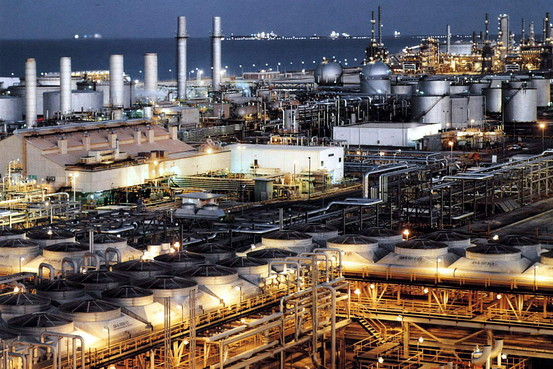
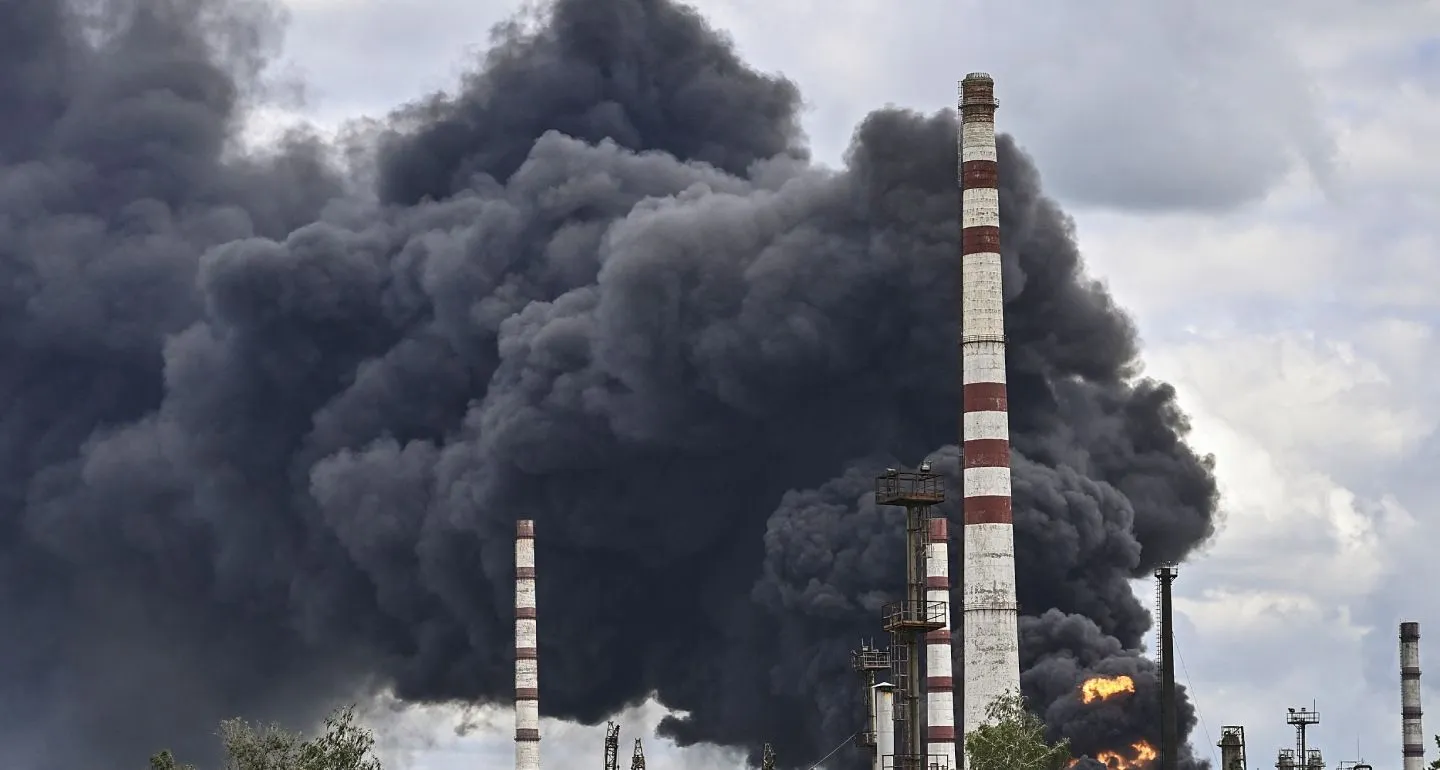
Ukraine’s escalating drone campaign against Russian oil refineries is now being linked to gasoline shortages, rationing, and supply disruptions across nearly all of Russia’s 83 internationally recognized regions. CNN reported that more than 50 regions have officially acknowledged fuel-supply problems, while unofficial reports point to disruptions across almost the entire country, with drivers facing purchase limits, long waits, and tighter local controls as refinery output falls.
The immediate public effect is unusually visible for a long-range drone campaign. In several regions, gas stations have imposed limits on how much customers can buy, while some local authorities have restricted sales into large canisters to discourage hoarding and resale. CNN reported waits of up to 18 hours at some stations. In Irkutsk, police fined four people accused of reselling fuel on the black market at inflated prices, and the regional governor imposed a state of heightened alert while limiting canister sales to emergency services.
The pressure appears to have started in Russian-controlled Crimea, where the fuel shortage escalated into a state of emergency and, on June 21, a full ban on fuel sales to ordinary people. From there, the disruption spread across Russia’s 11 time zones. At least three regions, including Irkutsk and Transbaikal, declared a state of heightened alert, underscoring that this is no longer a localized logistics problem.
What makes this drone campaign consequential is not simply that refineries are being hit, but that repairs are not catching up with the pace of repeat attacks. Kpler analyst Sumit Ritolia told CNN that Russian gasoline production is running at about 20% below domestic demand and refinery runs are at multi-year lows. That points to a systems problem, not just isolated plant outages: if finished fuel output drops below consumption for long enough, shortages move quickly from industrial sites to retail pumps.
That matters because refining capacity is not interchangeable in practice. A country can produce crude oil and still struggle to deliver enough usable gasoline if conversion capacity is damaged, offline, or waiting for repairs. Carnegie Russia Eurasia Center senior fellow Sergey Vakulenko said the key difference now is the scale and persistence of the attacks, arguing that the balance between repair crews and attackers is shifting. In industrial terms, repeated disruptions can be more damaging than a single large hit because they keep facilities from returning to stable throughput.
The campaign is also exposing a basic air-defense tradeoff. Russia has a vast refinery network spread across a huge landmass, and protecting every critical processing site is far harder than defending a small number of military bases or government buildings. CNN reported that after discussing the fuel shortages, Vladimir Putin said Russia’s most urgent task was to rapidly and significantly increase production of the air defense systems. That response is notable because it links an energy-market problem directly to defense-manufacturing capacity. Cheap long-range drones do not need to destroy every refinery to create pressure; they only need to keep enough key sites disrupted often enough that repair cycles, maintenance schedules, and defensive coverage all come under strain.
The pressure has now reached Moscow as well. CNN described Ukraine’s June 18 drone attack on the capital as the largest since Russia’s full-scale invasion, and said it was the second strike on the Kapotnya refinery in less than a week. On Monday, the Ukrainian military also said it struck Russia’s largest oil refinery in Omsk, more than 2,500 kilometers from the Ukrainian border, though the extent of damage there was not immediately clear. That uncertainty matters: in campaigns like this, confirmed disruption to output often lags behind the strike reports themselves.
Russian officials are trying to manage the shortage with mitigation measures rather than presenting it as a broad systems failure. Putin said the government was shortening planned refinery maintenance, considering diesel-export limits, and increasing imports. Reuters, as cited by CNN, reported that Russia had started buying gasoline from India. Kommersant, also cited by CNN, reported that officials may allow lower-quality gasoline onto the domestic market to increase supply. Those are practical stopgaps, but they also suggest the normal refining-and-distribution balance is under unusual stress.
There is still some uncertainty around the exact damage at individual refineries and the duration of individual outages, and Russian officials have publicly downplayed the severity of the shortage. Deputy Prime Minister Alexander Novak said the market is “fully supplied” with diesel and gasoline, while Putin described the shortages as real but “not critical.” Even so, Russia’s central bank said inflationary pressures were rising in part because of a temporary contraction in motor-fuel production. That is a measurable downstream effect, and it is consistent with a refinery network operating below comfortable margin.
The larger takeaway is that this is no longer just a story about drones reaching farther into Russian territory. It is a story about how repeated low-cost uncrewed attacks can force an industrial power into harder choices on repair capacity, fuel allocation, imports, and air-defense production. When ordinary drivers are waiting hours for gasoline and regions are imposing rationing, the campaign has moved from a military nuisance to a visible stress test of national energy resilience.
By Stephen Wallace — Editor for AMI’s aerospace integration and unmanned mobility coverage, focused on drone manufacturing, VTOL systems, autonomous networks, and air-ground mobility links.