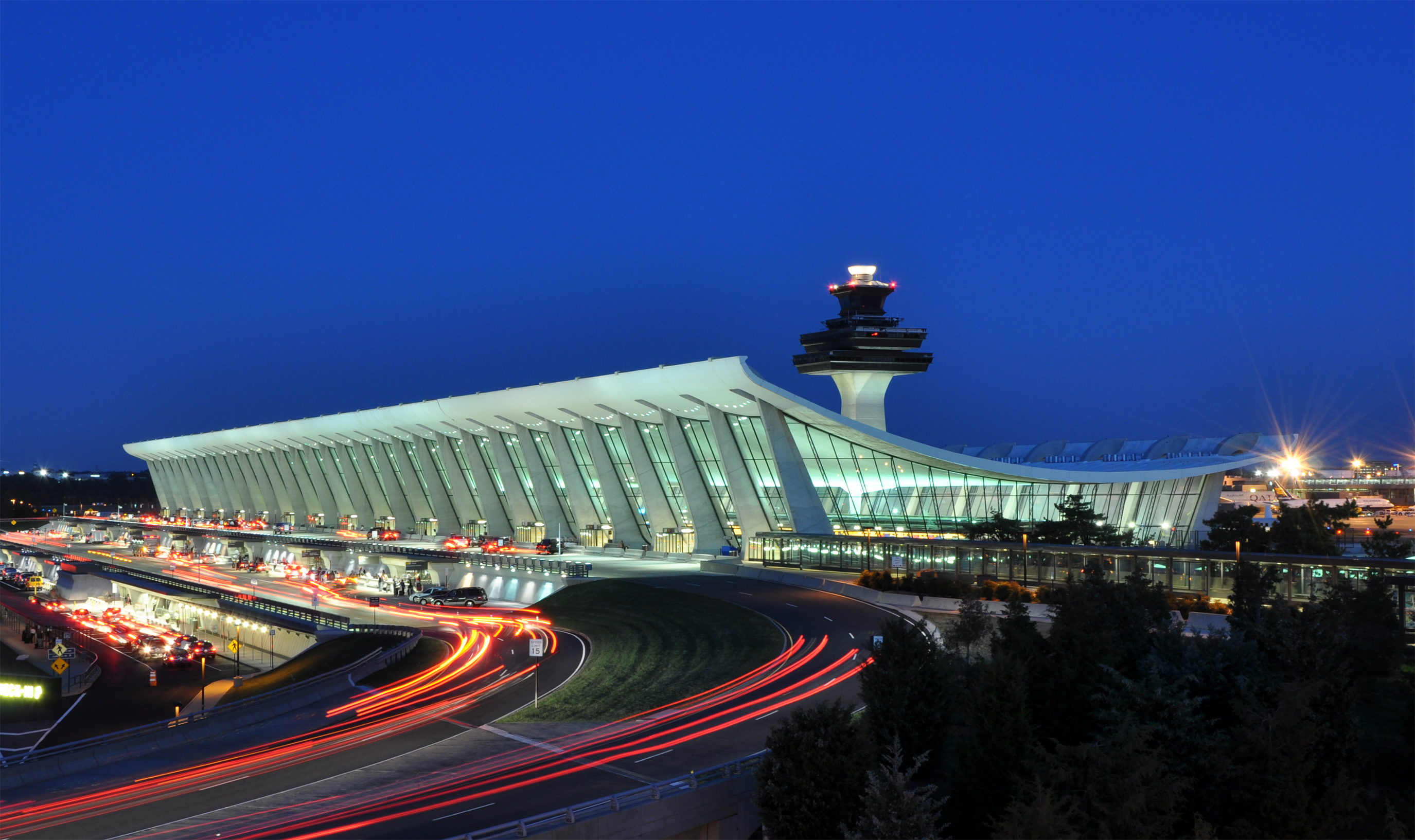
Dulles Airport’s $22.5 Billion Overhaul Could Raise Airline Fees and Fares
Washington Dulles International Airport’s planned $22.5 billion overhaul is advancing, but one of the central unresolved issues is still how the project will be financed. That matters beyond airport accounting because industry experts cited in coverage of the plan say airlines could pass at least some of those added airport costs on to travelers. Dulles’ current cost per enplanement the average amount airlines pay the airport for each departing passenger is about $10, and the project’s scale makes that metric the clearest public-facing pressure point.

The basic engineering story is easy to miss if the discussion stays at the level of renderings and construction scope. A rebuild of this size is not just a terminal-design exercise; it is a long-duration infrastructure financing problem. Public reporting and project materials indicate the Metropolitan Washington Airports Authority expects municipal bonds to play a major role in paying for the work, while other funding details remain unsettled as the program moves forward. That means the airport would be spreading major capital costs over time and recovering them through the charges it collects from airlines and other users.
For passengers, the key mechanism is straightforward. Airports do not directly add a line item called “megaproject recovery” to every ticket. Instead, they finance construction, set rates and charges, and bill airlines for using gates, terminals, and related facilities. When those charges rise, carriers often try to recover at least part of that increase through fares or fees. That does not mean every ticket rises by the same amount, or immediately, but it does mean a financing decision at the airport can become a consumer-cost issue downstream.
That distinction matters because unresolved financing is not the same as a finalized fare increase. What is confirmed is the project’s $22.5 billion scope, the expectation that municipal bonds will be a principal funding source, and the expert view that some of the burden could flow through to travelers. What is not yet settled in the available information is the final debt allocation, exact airline cost-sharing structure, or the specific passenger price effect by route, carrier, or travel season.
There is also a market-structure consequence beyond headline fare levels. Higher airport charges do not affect all airlines equally. A dominant hub carrier may tolerate higher airport costs if new gates, terminal efficiency, baggage handling, and passenger flow support its network economics. Lower-cost carriers, by contrast, are typically more sensitive to airport unit costs. If a redevelopment pushes charges materially higher, the airport can become less attractive to price-focused operators, which can reduce competitive pressure even when the new facilities are operationally better.
That is the central policy tradeoff in projects like this one. Dulles can plausibly argue that major investment buys real system benefits: replacing aging concourses, improving passenger circulation, expanding train access, and supporting future growth. Those are not cosmetic gains if they reduce congestion, shorten connection friction, and improve how the airport handles larger passenger volumes over time. But the fairness question is whether those long-term benefits are being purchased in a way that preserves access for budget-conscious travelers rather than shifting too much of the burden onto airline charges.
Another important boundary is timing. Large airport programs rarely hit consumers all at once. Debt issuance, phased construction, airline agreements, and facility openings usually stagger the cost curve. That can soften the immediate shock, but it can also make the public impact less visible. Travelers may experience the project as a gradual rise in airport-related costs, fewer ultra-low-cost options, or both, rather than as one obvious surcharge tied to one ribbon-cutting date.
The financing source itself also matters. Municipal bonds are often attractive for airport capital programs because they can lower borrowing costs relative to private financing. That can reduce total project expense compared with more expensive capital. But lower-cost debt does not eliminate the need to repay principal and interest; it mainly changes how efficiently that burden is carried. For a project measured in the tens of billions, even favorable borrowing terms still translate into sustained pressure on airport revenue requirements.
In practical terms, that is why the unanswered financing question is more important than the visual ambition of the rebuild. The public should judge a project like this not only by new concourses, train extensions, or a cleaner passenger experience, but by whether the funding structure keeps the airport broadly usable and competitive. If Dulles modernizes while preserving manageable airline costs, the program can strengthen the airport’s long-term position. If debt recovery drives charges too high, some of the upgrade’s benefits could be offset by higher fares or weaker low-cost competition. In airport systems, the design is visible, but the financing often determines who ultimately pays for the improvement.
By Thomas Caldwell — AMI’s senior editor for mechanical and mobility engineering, covering vehicle electronics, systems integration, electrification, chassis systems, propulsion, and safety policy.