Starliner-1 shifts to uncrewed propulsion test as certification slips
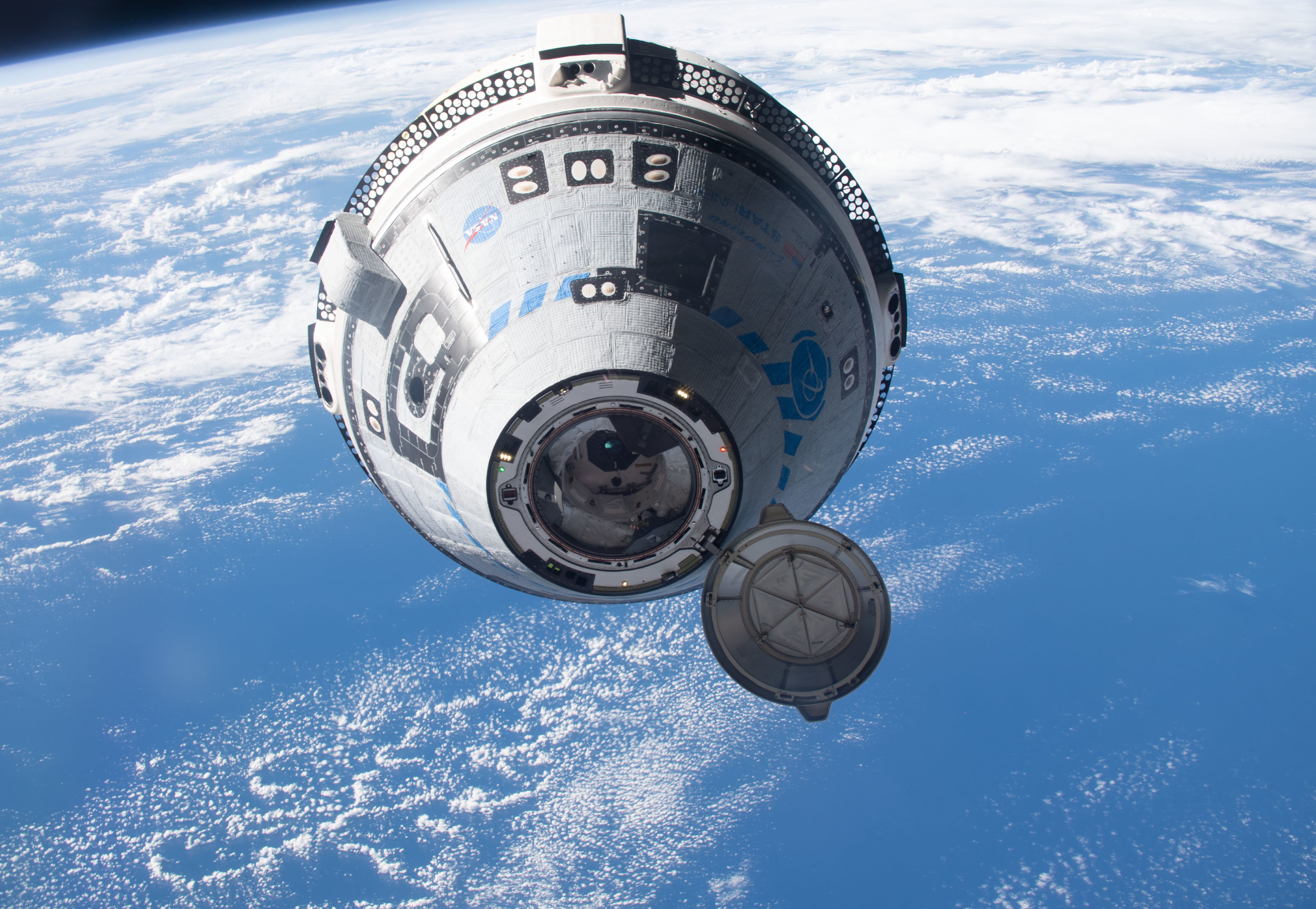
NASA and Boeing have recast the next CST-100 Starliner mission as an uncrewed Starliner-1 flight focused on propulsion-system validation rather than a routine crew rotation, with launch now targeted no earlier than April 2026. That change follows the 2024 Crew Flight Test anomalies, when five service-module reaction control thrusters failed during the International Space Station approach and five helium leaks were identified in the same propulsion system. The practical reason for flying without astronauts first is straightforward: the hardware under scrutiny sits in the service module, and that module is destroyed before reentry, so teams need an on-orbit demonstration that the fixes hold up under real thermal and operating conditions before NASA can close out crew-certification risk.

The propulsion issue was not a generic software setback. Post-flight analysis traced the thruster problem to overheating of Teflon poppet seals inside thruster valves. According to the reported findings, repeated firings combined with direct solar heating deformed those seals enough to restrict propellant flow. NASA researchers then recreated that behavior at White Sands Test Facility and saw partial recovery after cooldown, which matters because it points to a thermally driven performance loss rather than a one-time hard failure. For certification, that distinction is important: a recoverable component upset still becomes a crew-safety problem if it appears during rendezvous or docking, when thrust authority and predictability matter most.
Helium-system behavior adds a second certification gate. One leak was observed during ground work and four more appeared on orbit in the 2024 mission. Helium pressurizes the propellant feed lines, so leak tolerance is not just a bookkeeping issue on remaining gas quantity. Teams reportedly concluded there was probably enough helium for return, but the risk posture changed once that uncertainty was paired with unstable thruster performance. In other words, either anomaly might have been manageable alone; together, they narrowed margin at the worst possible point in the mission.
That combined-risk picture helps explain why Starliner returned uncrewed after the 2024 flight issues and why the next mission is being treated as a certification-oriented propulsion trial. It also explains why NASA and Boeing are not relying only on ground test closure. Starliner’s service module carries 28 reaction control system thrusters, 20 orbital maneuvering and attitude control thrusters, and four RS-88 abort engines. The architecture provides multiple propulsion functions, but it also means certification depends on proving that the thermal environment, valve behavior, and pressurization margins remain stable across the service module’s actual flight regime, not just in isolated bench tests.
The schedule impact is no longer a side issue. NASA’s stated goal for Commercial Crew remains dissimilar redundancy in getting crews to low Earth orbit, but every Starliner delay compresses the useful window before the ISS is set to retire in 2030. The program has already absorbed earlier setbacks, including Orbital Flight Test 1’s failed station rendezvous caused by software problems, followed later by findings that included the lack of a single end-to-end integrated avionics and software test facility, corroded oxidizer valves, parachute issues, and flammability concerns in wiring tape. NASA safety advisors have repeatedly pointed to what they called “process escapes,” a phrase that matters here because Starliner’s challenge is no longer any one anomaly in isolation. It is whether Boeing and NASA can show that qualification, integration, and flight-readiness discipline now match the demands of crew service.
Procurement changes reflect that narrower path. NASA’s Commercial Crew ordering for Starliner was reduced from six post-certification missions to four, with two options remaining, and the contract value was lowered by $768 million to $3.732 billion. Operationally, that means Starliner-1 is not just another mission number in sequence. It effectively consumes one of the remaining flights as a risk-reduction test, leaving less room for schedule slips if the vehicle is still to provide meaningful backup crew capacity before station retirement.
The aerospace takeaway is that Starliner-1 now looks less like a transportation mission and more like a propulsion qualification flight conducted in orbit because that is where the decisive failure mechanism appeared. If Boeing and NASA can demonstrate that the seal-heating fix and helium robustness hold up in the actual service-module environment, certification can move again. If not, the remaining ISS window will make every additional test harder to justify on both schedule and mission-planning grounds.
By David Whitaker — Associate editor for AMI’s aerospace and drone systems desk, translating flight systems, aircraft programs, spaceflight, and UAV developments into accessible technical stories.