FAA Proposes Reinforced Cowl Panels for 407 Rolls-Royce Boeing 787s
A metal shield inside an engine-cowl panel is the central fix in a proposed safety rule covering 407 Rolls-Royce-powered Boeing 787s. The Federal Aviation Administration proposal would require operators to identify affected panels and replace them within four years after a final rule takes effect.
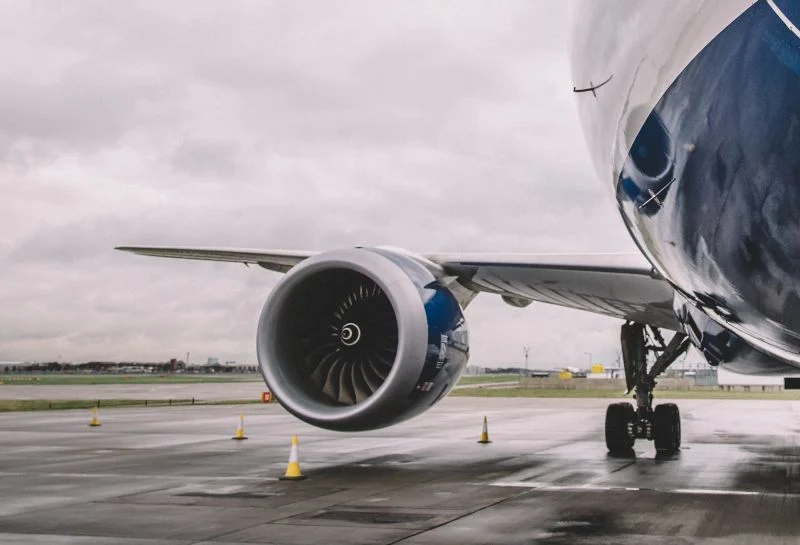
The shielding addresses an unusual cross-aircraft protection problem. In the failure scenario evaluated for certification, debris from a major failure of the left engine could travel toward the right engine. Boeing determined that the left fan cowl on that right, or No. 2, engine does not provide sufficient coverage for several oil lines and the P30 pressure-sensing line.
Those components sit outside the initiating engine, which is why their protection matters. Aircraft certification does not consider only whether an engine can contain or withstand its own failures; it also examines whether a failure can compromise other systems needed to continue safe flight. Here, the concern is possible debris from the intermediate-pressure turbine rotor stage of the left Rolls-Royce Trent 1000 engine reaching inadequately covered lines on the opposite engine.
A design change opened a certification gap
The proposed rule is not a response to a reported accident or an identified in-service occurrence. Boeing said the condition has not been associated with an in-service incident and that affected aircraft can continue normal operations. That distinction is important for passengers and operators: the FAA is proposing a scheduled modification, not grounding the fleet or imposing an immediate operational restriction.
The issue emerged after design changes to the Trent 1000 created a gap between the installed configuration and the required debris protection. Boeing described the matter as a noncompliance that it identified and reported to the FAA. The replacement fan-cowl panels incorporate metal shielding intended to restore the required coverage.
This is fundamentally a systems-integration issue rather than simply an engine-component issue. The engine defines the potential debris environment, but the airframe-mounted cowl installation provides part of the protection for nearby lines. A change within one part of that integrated installation can therefore require a corresponding change elsewhere to maintain the aircraft’s certified safety assumptions.
Guidance would become a legal requirement
Boeing issued guidance to operators in February 2026 recommending that affected parts be replaced within four years, or by 2030. The FAA proposal would convert that manufacturer guidance into a mandatory airworthiness requirement using the same four-year compliance period once a final rule becomes effective.
Under the proposal, operators would first conduct a maintenance-records check or inspect the right engine to determine the part number of its left fan cowl. Applicable follow-on work would depend on what that check finds. This configuration-control step prevents aircraft with acceptable parts from undergoing unnecessary replacement while ensuring that affected installations are identified by their actual hardware or records.
The covered production range extends from the first Trent 1000-powered 787 deliveries through production line number 1214. That aircraft was a British Airways 787-10 delivered in June 2025. Boeing delivery data indicates that 407 Rolls-Royce-powered 787s were delivered within the range, spanning the 787-8, 787-9 and 787-10 models.
The figure describes the delivered production population within the cited range, not necessarily the number of aircraft that will ultimately need new panels. The required records review or inspection would establish each aircraft’s installed configuration. The proposal also does not identify an immediate airport or passenger-service effect, and Boeing says normal fleet operations can continue.
Cost and final requirements remain unsettled
Neither the FAA proposal nor Boeing’s operator bulletin specifies the price of the replacement parts. That leaves the total compliance cost unknown, including any differences associated with aircraft configuration, labor access or work scheduling. The available information also does not establish whether operators would coordinate the modification with existing maintenance visits.
The rule is still proposed, not mandatory. The FAA is accepting comments through September 21, 2026, under docket FAA-2026-7233 and may revise the requirements before issuing a final airworthiness directive. If adopted as written, the four-year clock would begin only after that final rule becomes effective.
For now, the fleet’s operating status and its certification work proceed on separate tracks: the 407-aircraft production population may continue flying normally, while regulators consider making Boeing’s metal-shielded cowl panels a required long-term correction.
By Thomas Caldwell — AMI’s senior editor for mechanical and mobility engineering, covering vehicle electronics, systems integration, electrification, chassis systems, propulsion, and safety policy.