


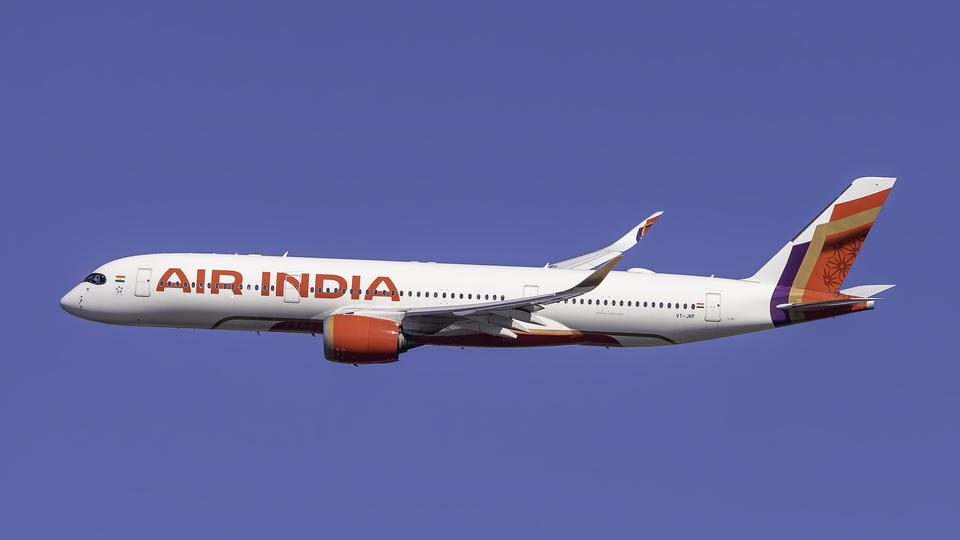
Air India Orders Tests for Every Pilot After 300-Foot Drop Injures 17
Air India Group is expanding prohibited-substance and medication screening to every pilot after an Airbus flight suddenly lost about 300 feet of altitude, injuring 17 passengers and crew. The workforce-wide program goes beyond India’s existing requirement to test at least 10% of an airline’s pilots randomly each year.
Air India began mandatory screening for its pilots on August 13, while pilots at its budget subsidiary, Air India Express, are due to enter the program from Thursday. Testing will take place alongside training at Air India’s academy and at operational locations including crew briefing centers and company offices.
The policy covers psychoactive substances and medications prohibited under aviation regulations. In an internal memo, Air India called it “important to go further” than the regulatory minimum and said the initiative was intended to support safety, professionalism and public reassurance.
A broader program, but not a test before every flight
The distinction between workforce-wide coverage and flight-by-flight screening is important. Air India’s program calls for all pilots to be tested, but it has not been described as a urine-based test before every departure.
India’s current framework requires random psychoactive-substance testing to cover at least 10% of an operator’s flight crew annually. It also provides for testing before employment, after an accident and as follow-up after a confirmed positive result. A detailed explanation of the testing process says an initial screening result is followed by laboratory confirmation when required, with chain-of-custody and medical-review procedures built into the process.
That procedure matters because an initial non-negative result does not by itself establish prohibited drug use. Certain legitimate medicines can affect screening results, and the framework allows a medical review officer to consider whether a confirmed result could have arisen from authorized treatment or another innocuous source.
The system is also separate from preflight alcohol screening. Psychoactive-substance tests may be conducted during duty or after a flight or shift; existing rules do not require every pilot to provide a drug-test sample before every departure. Air India’s change therefore increases the number of pilots covered rather than creating a universal preflight checkpoint.
The altitude-loss investigation remains open
The expanded screening follows the August 4 incident on a Phuket-to-Delhi service. Shortly after departure, the Airbus aircraft lost about 91 meters, or 300 feet, of altitude. Seventeen passengers and crew were injured. The aircraft subsequently stabilized, and both pilots were removed from duty pending completion of the investigation.
Indian authorities are investigating the incident with Airbus and France’s air safety agency. A preliminary account said the senior pilot was required to retake a substance test. Media reports have described a marijuana-positive result, but investigators have not established that substance use caused or contributed to the altitude loss.
That uncertainty places a firm boundary around what Air India’s new policy can demonstrate. Screening can strengthen oversight of pilot fitness, increase the probability of detecting prohibited substances or medications and create a more consistent compliance record across the group. It cannot, by itself, explain an aircraft’s sudden altitude change or substitute for examination of flight data, aircraft systems, weather, crew actions and other factors considered by investigators.
The program also creates an implementation challenge. Testing across training sites, briefing centers and offices requires consistent sample handling, authorized laboratories, privacy protections and clear rules for removing and returning personnel to safety-sensitive duties. Those controls determine whether a wider screening program produces reliable, defensible results rather than simply more tests.
Air India has made its immediate operational decision: every group pilot will enter the expanded screening system. The decisive unanswered questions remain with investigators what caused the 300-foot altitude loss, and whether any confirmed pilot-fitness finding had a connection to it.
By Thomas Caldwell — AMI’s senior editor for mechanical and mobility engineering, covering vehicle electronics, systems integration, electrification, chassis systems, propulsion, and safety policy.



