Congressional Budget Office Puts USS Defiant Fleet at $275 Billion
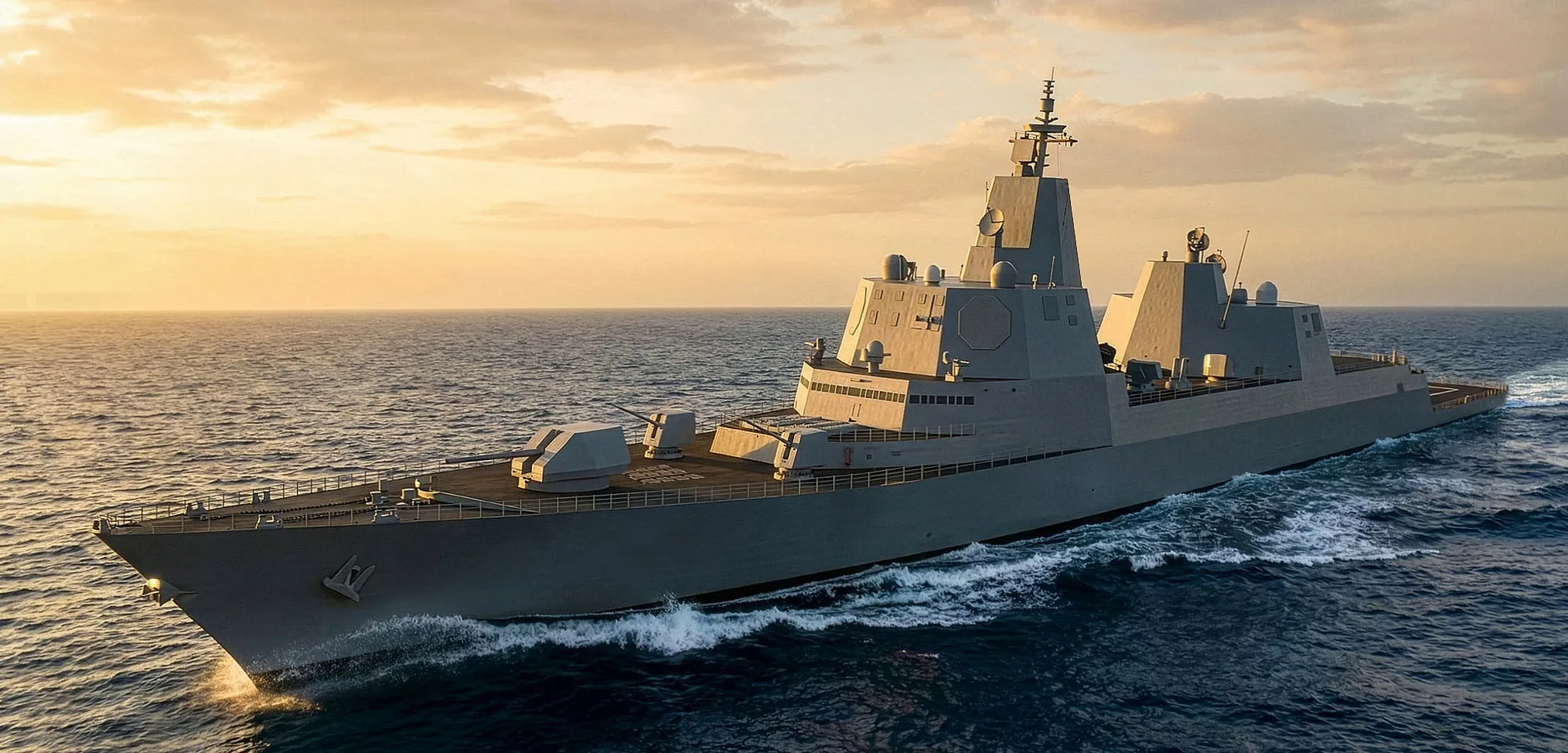
The proposed USS Defiant battleship program combines the promise of an exceptionally large, nuclear-powered surface combatant with a fiscal and industrial burden that could reshape Navy shipbuilding for three decades. An August 2026 Congressional Budget Office assessment estimates that buying 15 ships would cost approximately $275 billion in 2026 dollars through 2056.
That figure is not attached to a signed construction contract. The ships remain planned rather than under construction, and the design, schedule and final requirements could change. CBO describes its estimates as highly uncertain and based on assumptions about the design and acquisition plan. Even so, the estimate establishes the scale of the decision: about $23 billion for the first ship and slightly more than $18 billion per ship across the proposed fleet.
A new fleet competes for the same shipbuilding budget
The USS Defiant concept cannot be judged as an isolated hull purchase. CBO projects that average annual funding needed to buy surface combatants would climb from roughly $11 billion to $19 billion under the relevant shipbuilding plan, an increase of slightly more than two-thirds.
For taxpayers, the central issue is therefore opportunity cost. Funding committed to one class is funding that cannot simultaneously support other ships without a larger overall budget. The Navy would have to balance the battleships against destroyers, frigates and other construction priorities, along with the less visible costs of personnel, maintenance, training and infrastructure over each ship’s service life.
The proposed ships would displace more than 35,000 tons, making each one a major production undertaking. Large displacement can purchase space, electrical capacity, endurance and room for future systems, but it also increases the amount of material, labor and specialized yard capacity tied up in a single hull. Nuclear propulsion adds another layer of construction and support requirements even if it may provide operational and maintenance advantages over a conventionally powered alternative in some areas.
Shipyard output may be the harder constraint
CBO estimates that by 2035, the Navy’s plan would more than double the tonnage of large surface combatants that shipbuilders need to produce. Across the full plan, large-combatant tonnage would rise by about 60 percent while small-combatant tonnage would fall by roughly 40 percent.
That is more than a question of finding enough dry-dock space. A shipbuilding surge depends on trained workers, suppliers, design maturity, module quality and the ability to integrate complex propulsion, electrical and combat systems without creating costly rework. CBO’s estimate assumes that one yard would conduct final assembly while other yards built sections or portions of the ships. Distributed construction can spread work, but it also demands tight control of interfaces, tolerances, schedules and transportation between facilities.
The Navy has said the class would use a Navy-led, industry-collaborative design process and draw support from more than 1,000 suppliers. Its December 2025 announcement presented USS Defiant as the first ship in the proposed class. Those ambitions still have to pass through detailed design, budgeting and congressional procurement decisions before construction can begin.
Capability is only valuable if it remains supportable
A ship exceeding 35,000 tons can carry substantial sensors, defensive equipment and other mission systems. It can also concentrate enormous public investment and naval capability in one platform. That concentration makes survivability a program-level economic question rather than merely a combat-system specification.
The broad pressure comes from increasingly capable satellites, missiles, aerial drones and unmanned boats. This does not establish that a large surface combatant is inherently unsustainable, nor does it predict how USS Defiant would perform. It does mean that defensive systems, electronic protection, redundancy and damage tolerance would need to justify their costs against evolving threats throughout a long service life.
Crewing presents a related constraint. A powerful ship that requires a large or highly specialized crew creates recurring training and personnel demands, while extensive automation can reduce headcount only if its machinery, controls and maintenance model remain dependable at sea. No supported final crew requirement has been established here, making personnel one of the unresolved inputs rather than a settled benefit or drawback.
The proposal’s next meaningful test is not whether a 35,000-ton battleship can be drawn on paper. It is whether the Navy can mature the design, fund it alongside the rest of the fleet and expand large-ship production without destabilizing other programs. CBO’s $275 billion estimate puts a measurable boundary around that test before the first hull is contracted.
| More aerospace and engineering stories, right in your MSN feed. Follow AMI on MSN |
By David Whitaker — Associate editor for AMI’s aerospace and drone systems desk, translating flight systems, aircraft programs, spaceflight, and UAV developments into accessible technical stories.