Canada Sells Coulson 10 Planes for Conversion as Heavy Fleet Stays Abroad
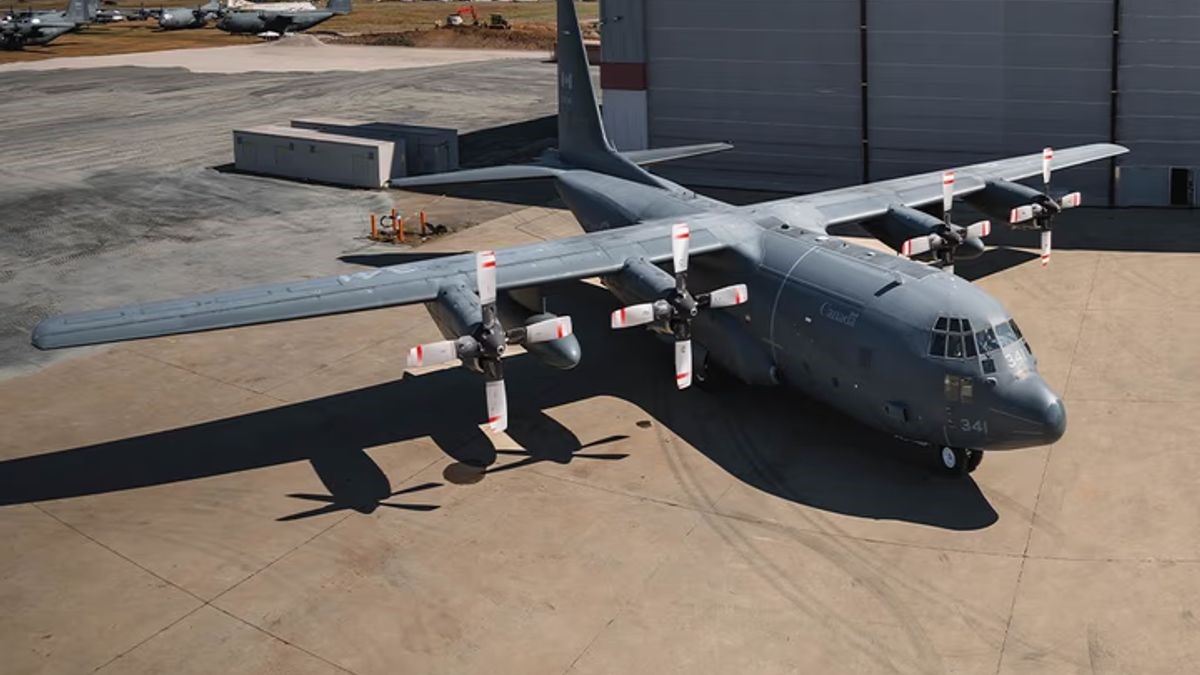
Canada is adding the raw material for more heavy firefighting aircraft, but it has not yet solved the contracting problem that determines where those aircraft work. On August 7, the federal government conditionally sold 10 retired military C-130 Hercules transports to Coulson Aviation for conversion into airtankers. Coulson, however, says short provincial contracts continue to push most of its largest firefighting aircraft abroad.
The distinction between owning aircraft and having aircraft available is central to wildfire readiness. Coulson CEO Wayne Coulson says Canadian provincial contracts commonly last only 90 to 150 days and carry no assurance of renewal. He argues that those terms are too short to support the acquisition, engineering, civil certification, crew training, spare-parts inventory and specialized maintenance required for large airtankers and helitankers.
That claim is Coulson’s assessment and policy argument, not a government finding. Its practical significance is nevertheless straightforward: an operator must recover the fixed cost of a complex aircraft over years, while a seasonal customer may be purchasing only several months of service at a time. Longer contracts elsewhere can therefore offer a more dependable basis for keeping aircraft, crews and maintenance support together.
Coulson says its roughly 40-aircraft firefighting fleet performs more than 8,000 missions annually across countries including Canada, the United States, Australia and France. Despite being based in Port Alberni, British Columbia, the company says only one of its helitankers is currently contracted for fires in the province; its other helitankers are deployed abroad.
Conversion is a production and certification program
The 10 Hercules aircraft are not immediately available firefighting assets. They must be modified and certified for civil operation in Canada before entering service. Converting one aircraft is expected to require roughly 20,000 hours of work, and Coulson expects to receive the retired transports faster than it can complete the conversions. The company has said its best-case schedule could produce two converted aircraft by the next wildfire season, although that remains an expectation rather than a confirmed delivery date.
Each completed C-130 airtanker is intended to carry as much as 15,000 litres of water or retardant. Coulson’s heavy helitankers can carry up to 11,000 litres. Payload alone does not extinguish a major wildfire, but it affects how much material can be delivered before an aircraft must leave the fire area to refill.
Coulson says a smaller aircraft might need to refuel six or seven times in a day to handle a workload for which a C-130 refuels once. That comparison will vary with mission distance, airport access and operating conditions, but it illustrates the systems tradeoff: a smaller aircraft can be useful and responsive, while a larger load may reduce turnaround interruptions when suitable bases, crews and support are available.
Readiness depends on more than tanker size
Wayne Coulson describes the first 30 minutes after ignition as the most critical period for aircraft to help slow a fire before conditions become unsafe for ground crews. That makes dispatch location, crew readiness, flight time and refill infrastructure as important as nominal tank capacity. A 15,000-litre aircraft committed overseas cannot contribute to an initial Canadian response, while an available smaller aircraft nearby may arrive sooner.
Some Coulson aircraft also carry sensors that can map a fire and transmit updated perimeter information through SpaceX’s Starlink network. Such information can improve coordination, but it adds another integration layer involving onboard equipment, communications, trained personnel and compatible command systems. Aircraft capacity and real-time intelligence deliver the most value when they are procured as parts of one response architecture rather than as isolated capabilities.
The federal government has separately announced a $316.7 million, five-year national aerial-firefighting surge program focused primarily on leasing additional and larger airtankers and helitankers. Coulson is calling for longer contracts, stable funding, shared intelligence and a coordinated fleet strategy. Those remain the company’s recommendations, and provincial agencies must weigh them against cost, regional needs and the flexibility offered by shorter agreements.
The Hercules sale can expand Canada’s industrial and firefighting capacity, with modification, maintenance and operations led from British Columbia. Yet the aircraft will require substantial conversion work, certification and continuing support before they can answer a fire call. Even after that, their domestic availability will depend on whether Canadian contracts are long and predictable enough to keep the completed tankers at home.
| More aerospace and engineering stories, right in your MSN feed. Follow AMI on MSN |
By Thomas Caldwell — AMI’s senior editor for mechanical and mobility engineering, covering vehicle electronics, systems integration, electrification, chassis systems, propulsion, and safety policy.