SpaceX Proposes $100 Billion Louisiana Starship Hub With 10 Launch Pads
Ten launch pads anchor SpaceX’s proposed $100 billion Starbase Louisiana complex, an industrial-scale bet that the company can move Starship from developmental flights to a launch rate far beyond what its existing sites can support. Announced with Louisiana officials on Aug. 25, the Vermilion Parish project remains a plan: the facility has not been built or approved, and the investment figure is a forward-looking commitment rather than money already spent.
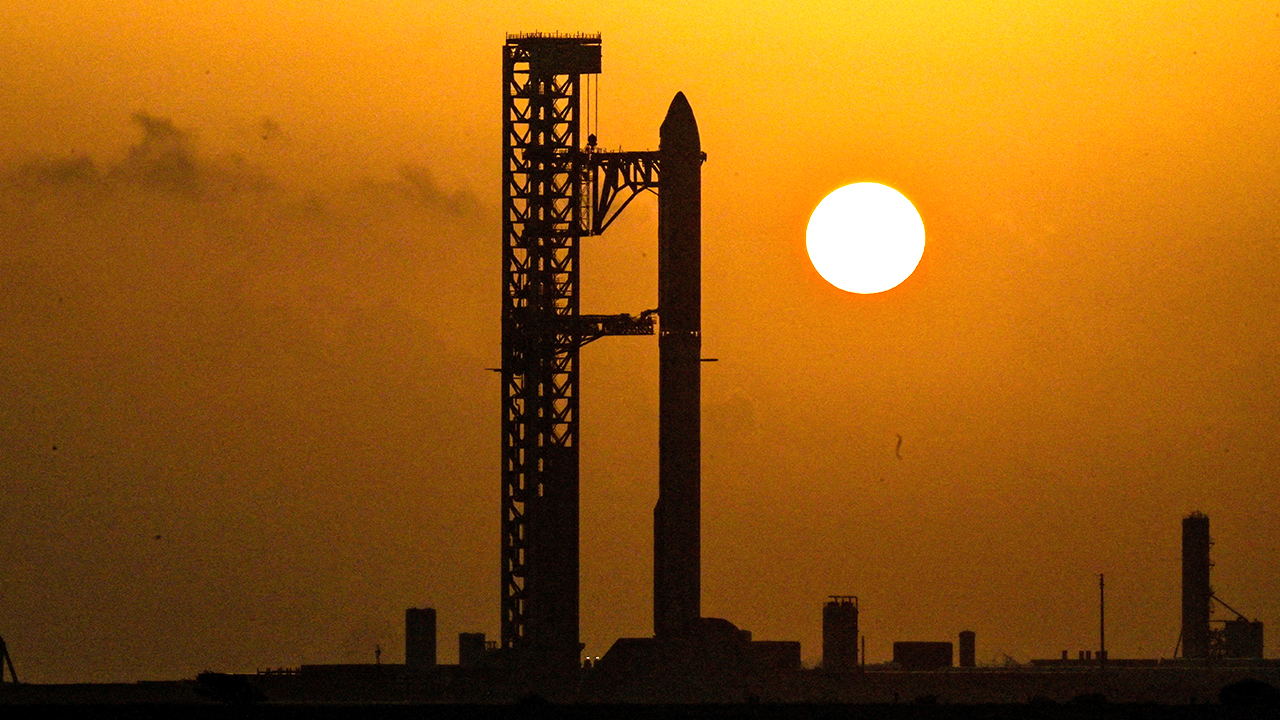
The proposed Gulf Coast site would contain five launch complexes with two Starship towers apiece. Each pad would have its own propellant farm, while shared infrastructure would include onsite propellant production, power generation, vehicle processing and deep-water shipping. An airport is also under consideration. Construction is expected to begin in 2027, with SpaceX targeting a first launch in 2029, although the announcement did not provide a detailed permitting schedule or breakdown of how and when the $100 billion would be committed.
Why SpaceX says it needs 10 pads
Pad count matters because Starship’s planned workload extends well beyond launching one spacecraft at a time. SpaceX intends to use the vehicle for future Starlink satellite deployments, while missions beyond low Earth orbit would require additional tanker flights to transfer propellant in space. NASA has also contracted SpaceX to develop a lunar-lander version of Starship for the Artemis program.
SpaceX President Gwynne Shotwell said those combined tasks would require thousands of launches and that the Louisiana site is being designed around that projected cadence. That is an aspiration, not demonstrated performance. Starship remains under development, and SpaceX was preparing for the vehicle’s 14th test flight in September when the Louisiana plan was announced.
The proposed layout addresses more than the time occupied by a rocket sitting on a pad. A high flight rate also demands propellant production and storage, electrical power, vehicle inspection and processing, transportation capacity and enough separate launch positions to keep one operation from stopping the entire site. Deep-water access could support movement of large hardware, although the more detailed project description indicates Starship vehicles would likely be manufactured in Texas and Florida and shipped to Louisiana. The Louisiana complex’s clearly defined role is therefore launch preparation, fueling, processing and flight operations; the extent of any eventual vehicle manufacturing there has not been fully detailed.
Shotwell described the project as a clean-sheet, self-sustaining spaceport. That approach can reduce dependence on distant utilities and fragmented logistics, but it also makes the site a much larger industrial undertaking than a set of concrete pads and towers. Propellant plants, power systems, marine facilities and processing buildings must all mature together before the advertised launch capacity becomes useful.
The regulatory gap between pad count and flight rate
SpaceX’s thousands-per-year figure should not be read as an approved Louisiana launch rate. As a useful comparison, the FAA’s completed environmental review for increased Starship activity in South Texas covered up to 25 annual orbital launches there, along with associated vehicle landings. That Texas decision does not set Louisiana’s eventual limit, but it shows that authorized cadence is determined through site-specific safety, environmental and licensing work not simply by how many towers a company builds.
For commercial launches, the FAA evaluates public safety, insurance, national-security and foreign-policy considerations, as well as potential environmental effects. The Louisiana announcement did not specify the permits, environmental-review milestones or license applications required before operations could begin. SpaceX has started working with state wildlife and coastal agencies to assess the complex’s effects, an important step for a site on Louisiana’s environmentally vulnerable Gulf Coast.
The location provides industrial advantages, including coastal shipping and access to natural gas for propellant production, but it also places a major construction and launch project near wetlands that contribute to wildlife habitat and storm protection. SpaceX says it is partnering with state and federal agencies on shoreline protection, marsh restoration and wildlife conservation. The scope, approval status and measurable outcomes of that work remain to be established.
Jobs and mission schedules remain projections
Louisiana Economic Development estimates that Starbase Louisiana could create 3,000 direct jobs over the next decade and thousands more indirectly. Like the investment total and launch cadence, those employment figures depend on the project advancing through construction and into sustained operations.
The proposed hub could eventually give SpaceX the parallel processing and launch capacity needed for Starlink, orbital-refueling flights and NASA’s lunar missions. For now, however, the most consequential number is not thousands of annual launches but 10 proposed pads awaiting a regulatory, environmental and construction path to a targeted 2029 debut.
| More aerospace and engineering stories, right in your MSN feed. Follow AMI on MSN |
By David Whitaker — Associate editor for AMI’s aerospace and drone systems desk, translating flight systems, aircraft programs, spaceflight, and UAV developments into accessible technical stories.