U.S. Patriot and THAAD Missile Supplies Reportedly Below 1,250; Rebuild Takes Years
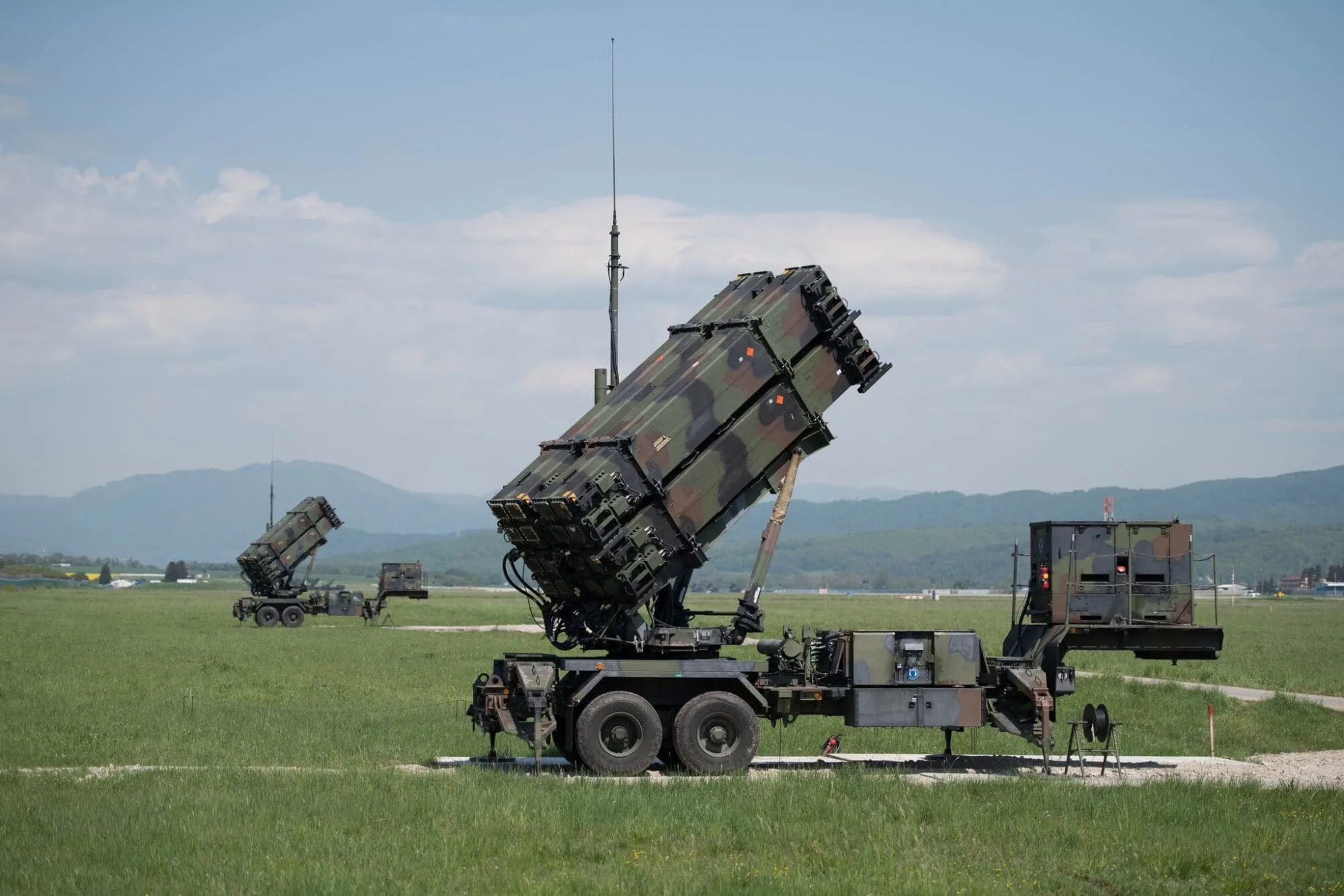
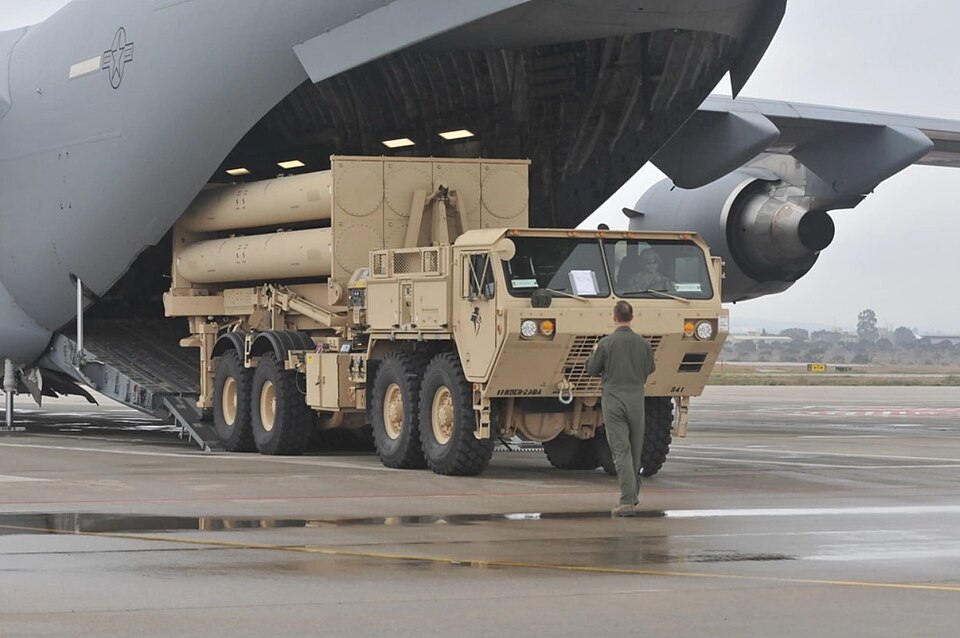
The immediate problem is a mismatch between two clocks: advanced air-defense interceptors can be consumed in minutes, but replacing them is measured in years. A July 27 analysis by the Center for Strategic and International Studies estimated that U.S. inventories had fallen below 1,000 Patriot interceptors and to approximately 250 Terminal High Altitude Area Defense, or THAAD, interceptors. Those are public estimates based on budget documents and other released information, not confirmed Pentagon inventory figures.

The estimates do not mean the United States has run out of missiles. They indicate that supplies of two important ballistic-missile defenses have reportedly declined enough to narrow allocation choices. CSIS warned that the United States and its partners could have to accept more risk when distributing finite interceptors among requirements in the Middle East, Europe and East Asia.
Why missile output cannot rise overnight
Patriot and THAAD interceptors are not ordinary ammunition assembled from broadly available parts. Each is a tightly integrated aerospace vehicle built around specialized propulsion, guidance electronics, sensors, structural hardware and safety devices. Those components must come together within controlled production processes and then pass multiple stages of inspection and testing.
That complexity also produces a costly replenishment equation. Estimated prices run from $3.5 million to $4.5 million for a Patriot interceptor and from $6.5 million to $9.9 million for a THAAD interceptor. The expense limits how much inventory can be bought and maintained, while the specialized hardware limits how quickly additional funding can become finished missiles.
Manufacturing lead times cited by CSIS for sophisticated missile systems range from 25 to 51 months. Other published assessments place production of some missile batches at three to five years and replacement of certain expended munitions at four to seven years. The ranges vary by weapon and procurement conditions, but they point to the same industrial constraint: an order is only the beginning of replenishment.
A prime contractor can expand final assembly, but that does not solve a shortage at a propulsion, electronics or structures supplier. Solid rocket motors are a prominent example. Adding a second source requires investment in facilities and tooling, followed by the qualification work needed to demonstrate that its components consistently meet program requirements. Skilled manufacturing labor must also be hired or reassigned and trained.
New agreements expand capacity, not current inventory
On August 3, the Pentagon announced framework agreements with Northrop Grumman and Lockheed Martin intended to support a tripling of Patriot Advanced Capability-3 production and a quadrupling of THAAD production. The plan adds a second source for Patriot solid rocket motors, increases output of ignition-safety devices and expands production of structural components for THAAD interceptors.
Working directly with critical suppliers is significant because a missile production line only moves as fast as its slowest qualified component stream. Long-term demand signals can give suppliers enough confidence to invest in tooling, facility modernization and workforce development rather than treating a production surge as a temporary order.
But framework agreements establish the industrial and contractual path toward higher output; they do not represent thousands of replacement interceptors already delivered. Appropriations, specific production awards, supplier expansion, qualification and final integration still stand between announced capacity goals and missiles entering inventory.
The Pentagon is also pursuing less-expensive weapons that could provide greater magazine depth. That approach can reduce pressure on high-end interceptors when a cheaper system is technically appropriate, but it does not make the missions interchangeable. Patriot and THAAD cover demanding ballistic-missile-defense roles that lower-cost, shorter-range systems cannot simply assume. New designs must also be developed, tested and incorporated into military operations before they contribute at scale.
That leaves production expansion as a necessary but delayed response. The reported inventory estimate fewer than 1,000 Patriot interceptors and about 250 THAAD interceptors describes a near-term allocation problem, while the new supplier agreements address output over a much longer horizon. Until qualified component capacity and completed deliveries catch up, every regional requirement draws on a missile supply that factories cannot rapidly replace.
| More aerospace and engineering stories, right in your MSN feed. Follow AMI on MSN |
By David Whitaker — Associate editor for AMI’s aerospace and drone systems desk, translating flight systems, aircraft programs, spaceflight, and UAV developments into accessible technical stories.