U.S. Patriot, High-Altitude Defense and Tomahawk Supplies May Lag Until 2030
The United States can authorize more missiles much faster than its industrial base can manufacture them. Reported shortages of Patriot interceptors, Terminal High Altitude Area Defense missiles and Tomahawk cruise missiles may persist through 2029 or 2030 even as Washington signs large contracts intended to expand production.

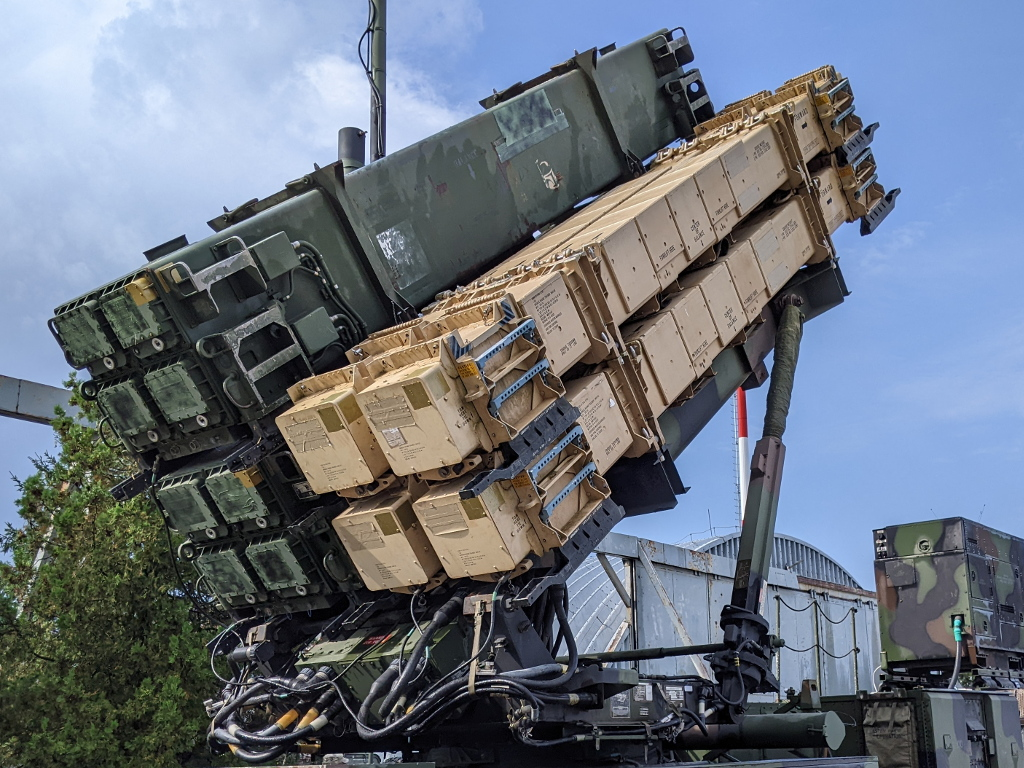
The inventory figures remain estimates because the Pentagon does not publicly provide complete stockpile counts. Current estimates put depletion at nearly 80 percent for THAAD interceptors and 50 percent for Patriot interceptors, while the Tomahawk supply is estimated to be below half of its earlier level. The Trump administration disputes that the country faces a munitions crisis, saying substantial quantities are available or being manufactured.
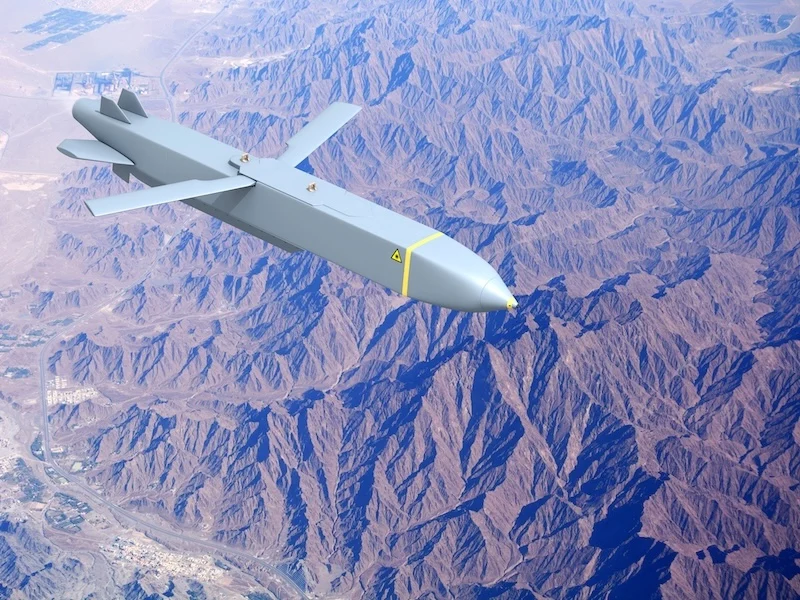
A Center for Strategic and International Studies analysis estimates that THAAD and Patriot inventories may not return to pre-Iran-war levels until 2029. Tomahawk recovery could extend into 2030. That timeline reflects a manufacturing system built around comparatively small peacetime orders for highly complex weapons, not rapid replacement after sustained expenditures across several commitments.
A fourfold target does not mean fourfold production today
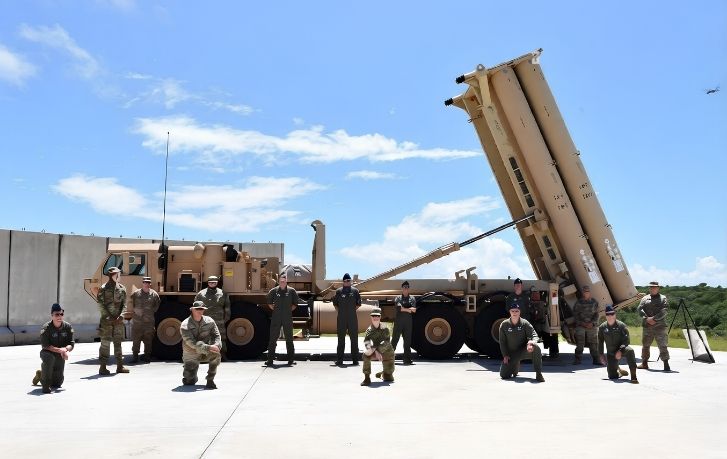
THAAD shows the gap between announced capacity and missiles coming off a line. Lockheed Martin historically produced 96 THAAD interceptors annually. A seven-year contract valued at more than $35 billion is intended to raise annual capacity to 400, roughly quadrupling the previous rate.
That target requires more than adding shifts. Lockheed Martin’s initial production framework called for new and modernized facilities, tooling, plant layouts, advanced manufacturing systems and workforce development. The company said the increase from 96 to 400 interceptors per year would unfold over seven years. A framework also must be supported by appropriations and specific funded orders before all planned capacity becomes sustained output.
Missile production is constrained at several levels simultaneously. Final assembly cannot run ahead of component suppliers, specialized test equipment, qualified workers or acceptance testing. Increasing factory floor space addresses only part of that chain. A supplier producing a limited component can set the pace for the entire weapon, while new equipment and processes must deliver consistent hardware that meets demanding performance requirements.
CSIS places manufacturing lead times for sophisticated missile systems at roughly 25 to 51 months. That helps explain why a large budget request or multiyear award does not immediately replenish an inventory. The first years of an expansion may be devoted partly to construction, supplier capacity, tooling and hiring rather than a proportional increase in completed missiles.
Demand is rising across several production lines
The pressure is not confined to THAAD. Patriot interceptors, Tomahawks and Precision Strike Missiles are also competing for industrial capacity and procurement funding. Patriot manufacturer Lockheed Martin has discussed increasing PAC-3 Missile Segment Enhanced capacity to 2,000 interceptors annually, while a separate Tomahawk framework aims to move from about 60 U.S. missiles per year toward 1,000. Those are major planned increases, but exact delivery schedules and some contract terms remain under negotiation.
Foreign orders add another constraint. Until new capacity is operating, increased U.S. demand must be balanced against commitments to allied customers. A reported proposal to let Ukraine manufacture Patriot interceptors could eventually add another source, but Washington has not officially confirmed the arrangement. Even if approved, production reportedly would take more than a year to begin.
The immediate concern is therefore flexibility rather than a confirmed inability to conduct current operations. Weapons have been expended in the Iran conflict, support for Ukraine, Israel’s missile defense and operations against Houthi militants. THAAD launchers and Patriot batteries have also reportedly been shifted from the Indo-Pacific to the Middle East. The present shortages are not reported to heavily restrict near-term U.S. operations against Iran, but they could narrow options if another major confrontation emerged before inventories recover.
Longer-term procurement is trying to correct a demand signal that was too small and inconsistent for wartime-scale output. Multiyear contracts can give contractors reason to invest in factories and suppliers, but money cannot eliminate manufacturing lead time. The central tension remains visible in THAAD: capacity is planned to rise from 96 to 400 interceptors a year, yet the inventory may still need until 2029 to regain its earlier level.
| More aerospace and engineering stories, right in your MSN feed. Follow AMI on MSN |
By David Whitaker — Associate editor for AMI’s aerospace and drone systems desk, translating flight systems, aircraft programs, spaceflight, and UAV developments into accessible technical stories.