Officials Say Iran War Left U.S. Patriot Inventories in Europe Critically Low
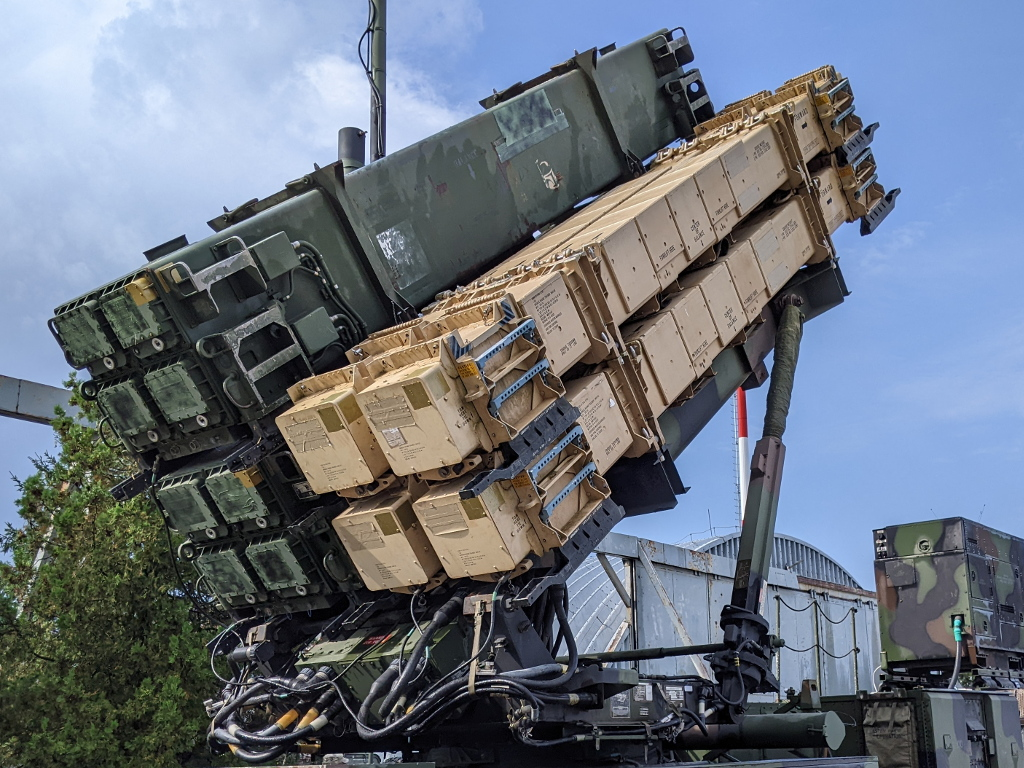
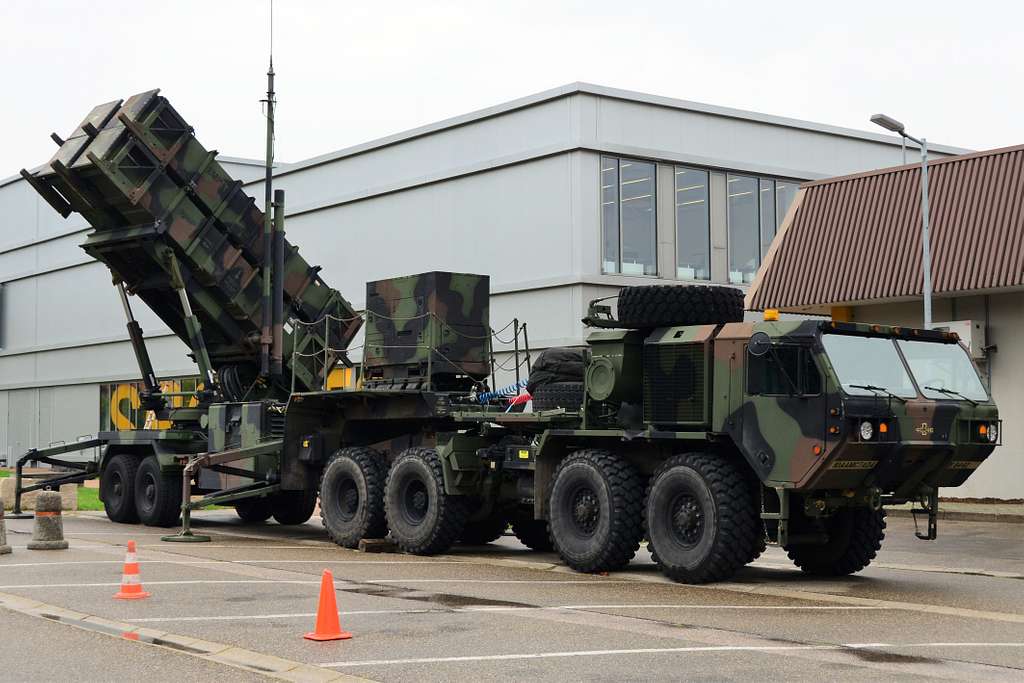
About 2,050 major U.S. missile interceptors had been expended in the Iran war by mid-July, according to officials: roughly 1,700 Patriot interceptors, more than 200 Terminal High Altitude Area Defense interceptors and another 150 Standard Missile interceptors. That demand, combined with transfers between regions, reportedly left U.S. inventories of advanced Patriot interceptors in Europe “beyond critical.”

The assessment is disputed. The White House says the military has enough munitions to pursue U.S. strategic goals, while Pentagon spokesman Sean Parnell called claims of shortages false. NATO spokesman Col. Martin O’Donnell said the alliance has enough air-defense munitions for its own defense and continued donations to Ukraine, although he did not specifically address the condition of U.S. PAC-3 Patriot inventories in Europe.
The distinction matters. An alliance-wide statement about available missiles is not necessarily a measure of how many U.S.-owned interceptors are positioned in a particular theater, how quickly they can be moved or whether planners have enough for every contingency at once. Officials said the drawdown has already led U.S. European Command to adjust operational plans. Limited inventories are also delaying some allied deliveries and restricting the number of interceptors available for Ukraine.
Consumption moved faster than production
Patriot and THAAD are not interchangeable rounds that can be replaced quickly from a broad commercial supply chain. Their interceptors are complex guided vehicles assembled from specialized propulsion, guidance, structural and safety components. Expanding final assembly helps only if rocket motors, electronics, energetics, tooling and qualified labor increase with it.
That is why the reported expenditure total is more consequential than a simple inventory subtraction. Each launch consumes hardware produced through a manufacturing system designed around planned peacetime procurement, not an abrupt requirement to replace thousands of interceptors while continuing deliveries to U.S. forces and allies.
Estimated delivery lead times illustrate the constraint. The Center for Strategic and International Studies has put the timeline at about 42 months for Patriot PAC-3 Missile Segment Enhancement interceptors and about 53 months for THAAD. These are delivery estimates rather than a guarantee that every replacement will take exactly that long, but they show why a factory expansion announced today cannot restore inventories next quarter.
The Pentagon has responded by pursuing a major capacity increase. Its current initiative is intended to triple production capacity for PAC-3 MSE interceptors and quadruple THAAD capacity. The department is also working more directly with component suppliers instead of relying solely on prime contractors, with attention to new tooling, facility modernization, workforce development and additional sources for critical parts.
In August, the Pentagon gave defense companies 21 days to propose faster delivery schedules and production increases. The request asked manufacturers to identify capital investments and plant expansions that could accelerate output. The responses are expected to inform the department’s fiscal 2028 budget planning.
More orders do not immediately create more missiles
Framework agreements and larger procurement targets can give suppliers the predictable demand needed to invest, but they are not the same as funded production contracts or delivered interceptors. Facilities must be expanded, equipment installed, workers trained and manufacturing processes qualified. New or modified production lines also have to preserve reliability in systems expected to operate after extended storage and under demanding flight conditions.
The industrial push includes a second source for Patriot solid rocket motors, expanded production of ignition-safety devices and more capacity for THAAD structural components. Northrop Grumman has said associated agreements support Army plans to grow annual PAC-3 MSE production from roughly 600 units to thousands in the near term. Achieving that scale still depends on funding, supplier execution and successful production ramp-up.
Meanwhile, officials said replacing weapons moved from Japan, South Korea and Germany could take years. They also reported that reduced inventories have contributed to an assessment that the United States could not fully execute a near-term contingency plan for defending Taiwan. That does not predict a conflict, but it exposes the planning problem: the same finite production base supports multiple regions whose requirements can overlap.
The Pentagon’s planned production increases are substantial, but the calendar remains the hard constraint. Interceptors expended in days or months must be rebuilt through supply chains measured in years and Europe’s reported Patriot shortfall is already forcing planners to work within that gap.
| More aerospace and engineering stories, right in your MSN feed. Follow AMI on MSN |
By David Whitaker — Associate editor for AMI’s aerospace and drone systems desk, translating flight systems, aircraft programs, spaceflight, and UAV developments into accessible technical stories.